Black History Guides
"Big History for Brilliant Minds"
Lesson plans, workbooks, and flashcards for grades K–8. Built for teachers, parents, and curious kids.
Discover Black History
Explore by Category
Try a Free Sample
Get a free 10-page sampler with flashcards, lesson plan excerpts, and activities from our collection. Enter your email and we'll send it right over.
Explore the Collection
Featured Resources
Browse a sample from each category. Click any card to explore the full resource.
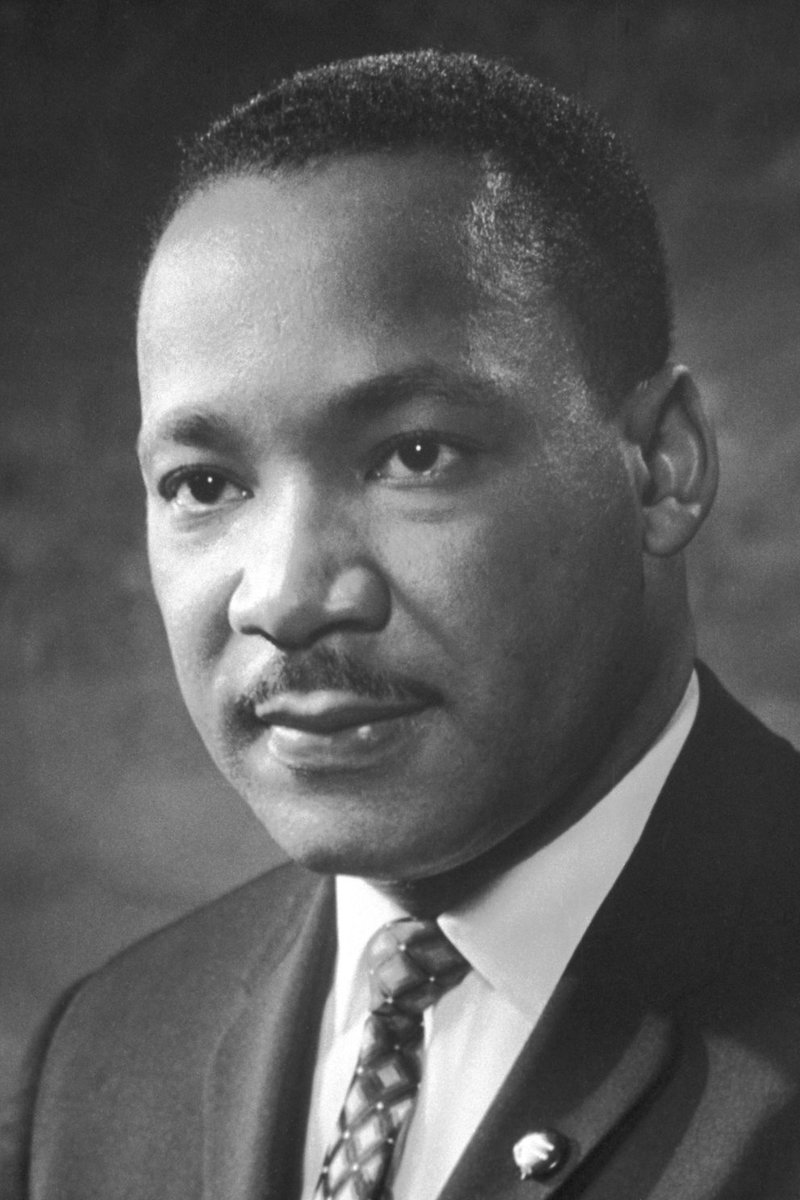
Martin Luther King Jr.
1929–1968
Civil Rights MovementBaptist minister and civil rights leader who led the movement for racial equality through nonviolent protest.
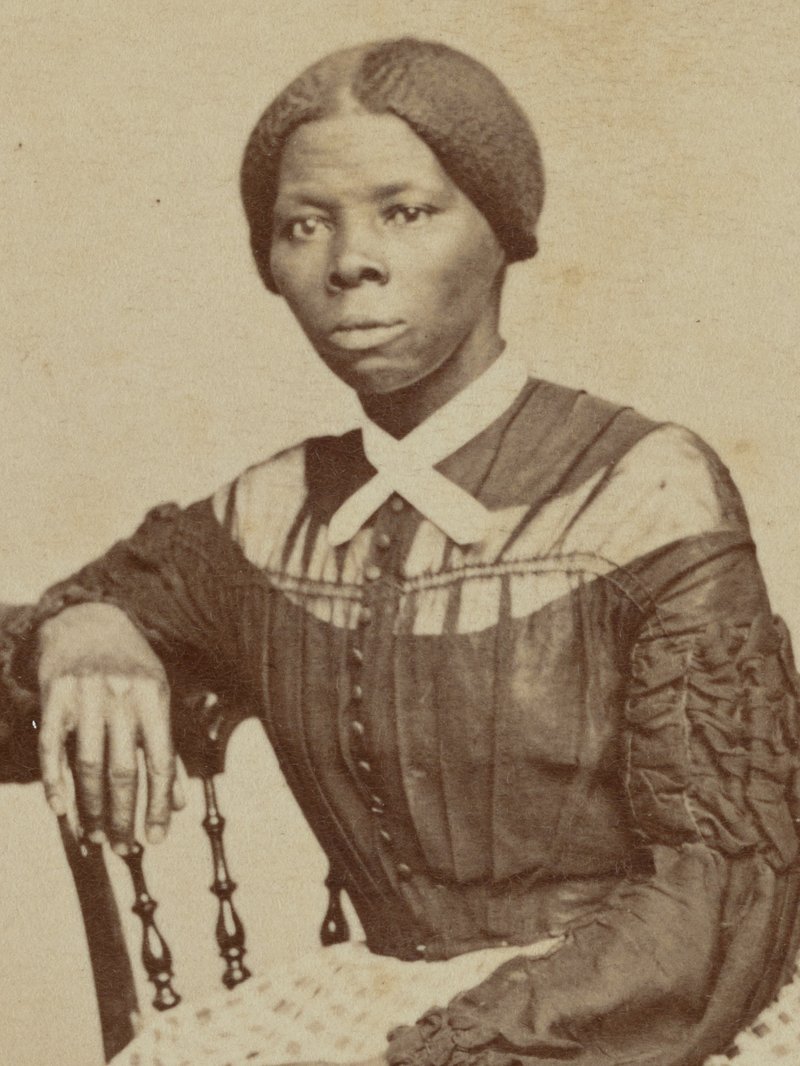
Harriet Tubman
March 1822–1913
Slavery And AbolitionismEscaped enslaved woman who became the most famous conductor on the Underground Railroad, leading over 70 people to freedom.
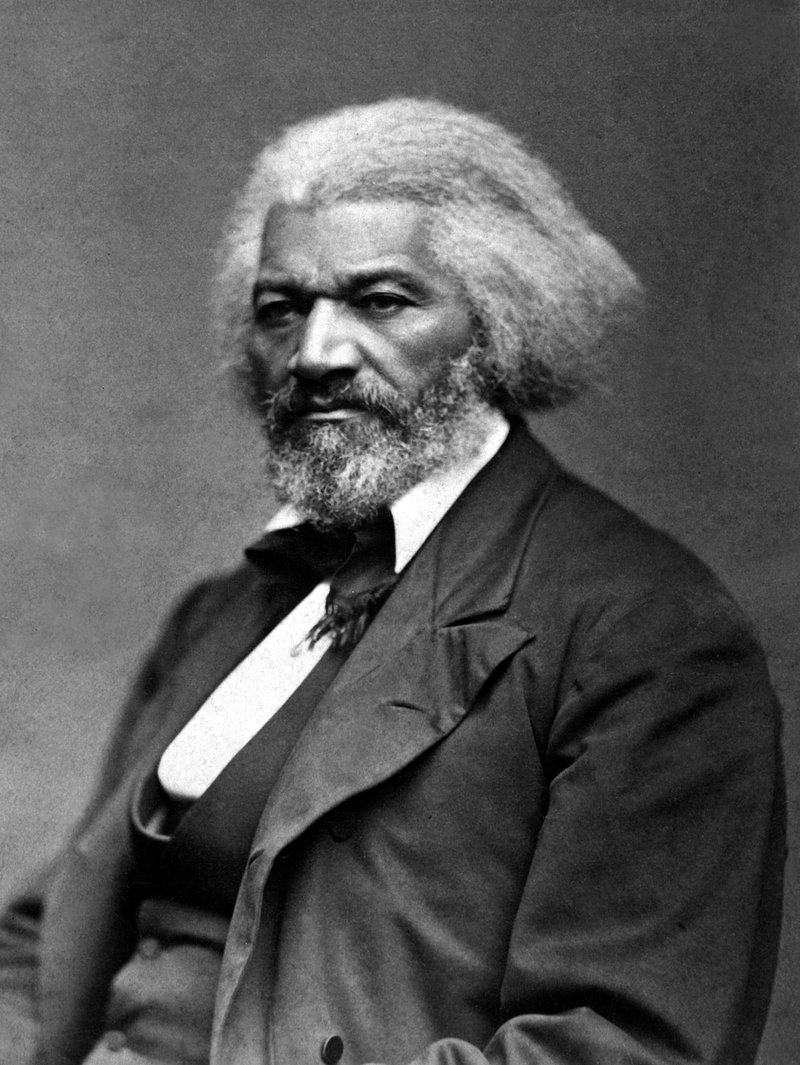
Frederick Douglass
February 1818–1895
Slavery And AbolitionismEscaped slavery to become one of the most powerful voices against slavery in American history through his writing and speeches.
1619–1865
Slavery & Abolitionism
The era of American slavery and the growing movement to abolish it, from the arrival of the first enslaved Africans to the end of the Civil War.
1865–1900
The Reconstruction Era
The period after the Civil War when formerly enslaved people gained citizenship and voting rights, built institutions, and faced violent backlash.
1877–1954
The Jim Crow Era
The era of legalized racial segregation in America, from the end of Reconstruction to the Brown v. Board of Education ruling that declared separate schools unconstitutional.
January 1, 1863
Emancipation Proclamation
President Abraham Lincoln issued an executive order declaring enslaved people in Confederate states to be forever free, transforming the Civil War into a fight for human freedom.
June 19, 1865
Juneteenth
Union soldiers arrived in Galveston, Texas, announcing that all enslaved people were free - more than two years after the Emancipation Proclamation was signed.
May 17, 1954
Brown v. Board of Education
The Supreme Court unanimously ruled that racial segregation in public schools was unconstitutional, overturning the 'separate but equal' doctrine and sparking the modern civil rights movement.
c. 1800–1865
Underground Railroad
A secret network of routes, safe houses, and abolitionists that helped enslaved people escape to freedom in the Northern states and Canada.
1909–Present
NAACP
The National Association for the Advancement of Colored People, founded to fight racial inequality through legal action, education, and advocacy, becoming the most influential civil rights organization in American history.
1920–c. 1960
Negro Leagues
Professional baseball leagues founded because Black players were banned from Major League Baseball, producing legendary athletes and becoming a cornerstone of Black culture and community.
1914 & 1923 · Garrett Morgan
Gas Mask & Traffic Signal
Garrett Morgan invented a safety hood (gas mask) that saved lives in a 1916 tunnel disaster and later patented a three-position traffic signal that made roads safer for everyone.
1940 · Charles Drew
Blood Bank
Dr. Charles Drew pioneered methods for processing and storing blood plasma, creating the first large-scale blood bank that saved countless lives during World War II and beyond.
1881 · Lewis Latimer
Carbon Filament for the Light Bulb
Lewis Latimer invented the carbon filament that made electric light bulbs practical and long-lasting, and helped draft the patent for Alexander Graham Bell's telephone.
Tulsa, Oklahoma
Black Wall Street (Greenwood District)
The Greenwood District of Tulsa was the wealthiest Black community in America, known as 'Black Wall Street,' until it was destroyed in the 1921 Tulsa Race Massacre.
Tuskegee, Alabama
Tuskegee Institute
Founded by Booker T. Washington in 1881, Tuskegee Institute became a leading center for Black education, vocational training, and scientific research under George Washington Carver.
Washington, D.C.
Howard University
Founded in 1867, Howard University became one of the most prestigious historically Black universities, educating leaders like Thurgood Marshall, Toni Morrison, and Kamala Harris.
1845 · Autobiography
Narrative of the Life of Frederick Douglass
Frederick Douglass's powerful autobiography describing his life as an enslaved person, his self-education, and his daring escape to freedom - one of the most influential books in American history.
May 29, 1851 · Speech
"Ain't I a Woman?" Speech
Sojourner Truth's famous speech at the Women's Rights Convention in Akron, Ohio, challenging racism and sexism with powerful rhetorical questions about equality and human dignity.
July 5, 1852 · Speech
"What to the Slave Is the Fourth of July?"
Frederick Douglass's searing speech exposing the hypocrisy of celebrating freedom in a nation that enslaved millions, delivered to a crowd in Rochester, New York.
Black History Fact of the Day
Loading...
Simple as 1-2-3
How It Works
Browse a Topic
Explore our growing collection of figures, eras, events, inventions, and more, organized for easy discovery.
Explore the Story
Read verified biographies, timelines, and fun facts, all written for young learners in grades K–8.
Buy the Teaching Bundle
Get a lesson plan, workbook, and flashcard set, ready to print and use immediately. No prep needed.
Why Choose Us
Why Black History Guides
Verified Accurate
Every fact passes our 4-layer accuracy system. Sources include the Library of Congress and the Smithsonian.
Standards Aligned
Designed for grades K–8 with differentiation options for struggling and advanced learners.
Fun for Kids
Engaging activities, colorful flashcards, and creative projects that make history come alive.
Ready to Use
Instant digital download. Print at home or school. No prep needed. Just print and teach.