Black Wall Street (Greenwood District)
The Greenwood District of Tulsa was the wealthiest Black community in America, known as 'Black Wall Street,' until it was destroyed in the 1921 Tulsa Race Massacre.
View Teaching Bundle →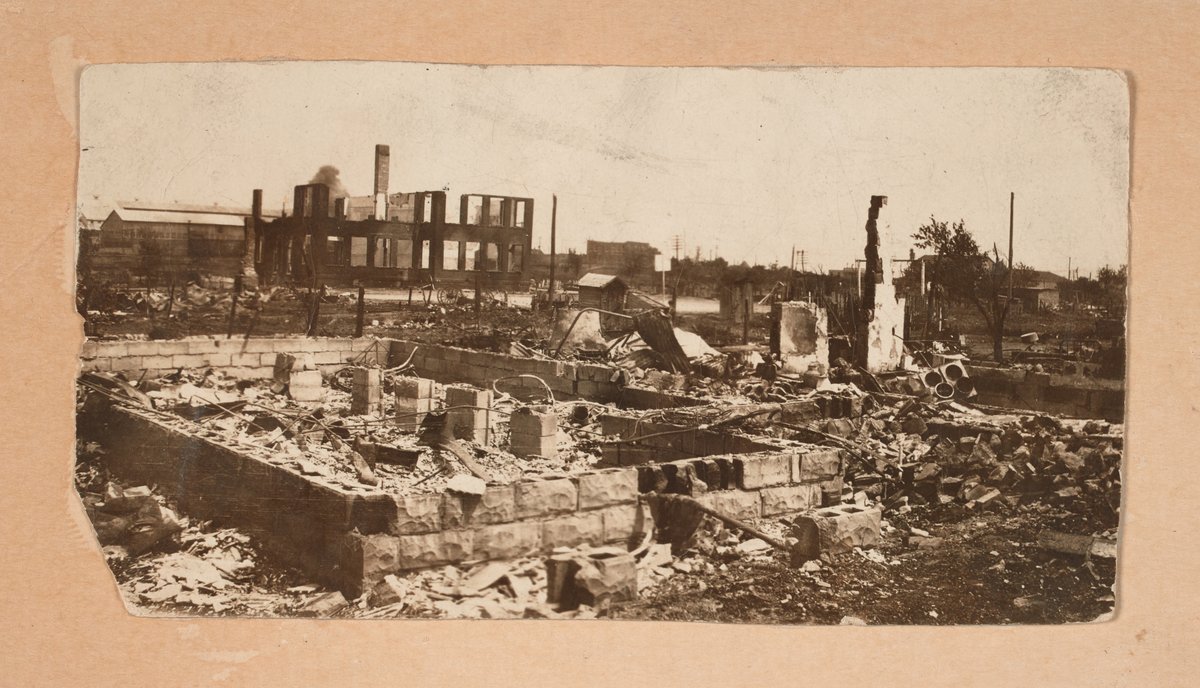
What Is Black Wall Street (Greenwood District)?
The Greenwood District of Tulsa was the wealthiest Black community in America, known as 'Black Wall Street,' until it was destroyed in the 1921 Tulsa Race Massacre.
Imagine a neighborhood so full of energy, so bursting with Black-owned businesses, schools, and pride, that one of the most famous Americans of the time reportedly praised it as 'Black Wall Street.' That place was the Greenwood District in Tulsa, Oklahoma — and it was one of the most extraordinary communities in American history. Starting around 1905, a businessman named O.W. Gurley began buying land in North Tulsa and selling lots exclusively to Black buyers. Black Tulsans — many of whom had traveled north during the Great Migration, seeking freedom and opportunity — poured their talents and savings into Greenwood. What they built was astonishing: over 300 businesses, including banks, hotels, grocery stores, law offices, a hospital, two newspapers, and a library. Doctors, lawyers, teachers, and entrepreneurs lived and worked side by side. Booker T. Washington visited Tulsa and reportedly praised the Greenwood community as a 'Black Wall Street of America' — comparing it to the most powerful financial district in the nation. Historians note that the exact origin of this famous nickname is debated, but Washington's admiration for what Black Tulsans built was clear and widely recorded. The Greenwood District proved beyond any doubt what Black Americans could achieve when they had access to education, property, and community. In May and June 1921, a devastating race massacre destroyed 35 blocks of Greenwood, leaving more than 10,000 people homeless. But the story does not end there. Survivors rebuilt — sometimes with little more than their hands and their determination. Today, Greenwood is rising again, and the legacy of what was built there inspires communities across the country. The spirit of Black Wall Street never stopped burning.
Historical Significance
The Greenwood District stands as one of the most powerful symbols of Black entrepreneurship and community in American history. At a time when systemic racism denied Black Americans opportunities across most of the country, Greenwood showed what was possible when an entire community invested in itself. The concentration of Black-owned wealth in a single neighborhood — banks, real estate, professional offices, hotels, newspapers — created a self-sustaining economy that circulated dollars within the community before they ever left. This model of economic solidarity was remarkable and is still studied today. The 1921 Tulsa Race Massacre was one of the worst incidents of racial violence in U.S. history. The destruction of Greenwood was suppressed in official records and school textbooks for decades, making it one of the most overlooked tragedies in American education. The 2001 Oklahoma Commission report brought long-overdue official acknowledgment. Greenwood's story — both its triumph and its tragedy — teaches essential lessons about racism, resilience, and what communities can build together. Its legacy continues to inspire Black entrepreneurs, urban planners, and advocates for economic justice today.
Key Events at This Place
Watch and Learn
Did You Know?
A Dollar Circulated 36 Times
Historians estimate that a dollar spent in Greenwood circulated within the community up to 36 times before leaving — a remarkable sign of how self-sufficient and interconnected the local economy truly was.
Two Newspapers, One Community
Greenwood supported two Black-owned newspapers — the Tulsa Star and the Oklahoma Sun — giving the community its own voice and platform at a time when mainstream newspapers often ignored or misrepresented Black Americans.
Hidden for Decades
The Tulsa Race Massacre was so thoroughly suppressed that it was omitted from Oklahoma's official history books for decades. Many Tulsans grew up not knowing it had ever happened.
Planes Were Used
Eyewitness accounts and historical research suggest that airplanes flew over Greenwood during the massacre — either used for surveillance or, in some accounts, to fire on residents below.
The Name Lives On
The phrase 'Black Wall Street' lives on today as a symbol of Black economic power, inspiring communities from Atlanta to Los Angeles to build their own versions of the thriving Greenwood District.
Related Places
Other important places in Black history.
Want to teach this place? We've done the work for you.
Black Wall Street (Greenwood District) Complete Teaching Bundle
Lesson Plan
Comprehensive lesson plan covering the location's history, significance, key events, and lasting impact.
Student Workbook
Interactive workbook with reading passages, geography activities, then-and-now comparisons, and a quiz.
Flashcard Set
40 cards covering vocabulary, key facts, geography, historical context, and review challenges.
Instant digital download · Printable PDF · Grades 4–8 · Verified accurate
Here's a peek inside...
📖 Lesson Plan
📝 Student Workbook
Read the passage about Black Wall Street (Greenwood District) and answer the questions below.
🃏 Flashcard Set - Click to Flip!
Click the card to flip it
Get a Free Sample
Try before you buy! Enter your email to receive a free sampler with flashcards, activities, and a lesson plan excerpt. No spam, just history.