Underground Railroad
A secret network of routes, safe houses, and abolitionists that helped enslaved people escape to freedom in the Northern states and Canada.
View Teaching Bundle →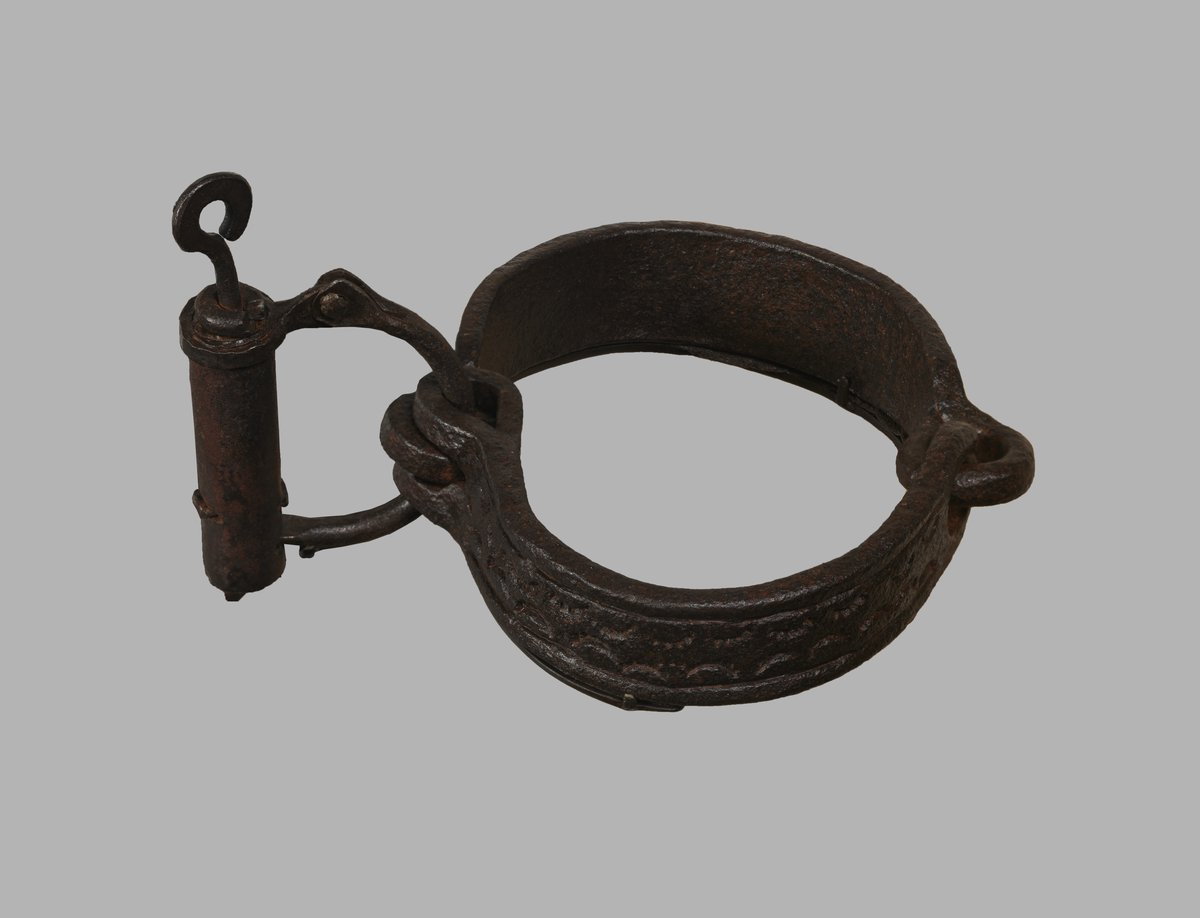
What Was the Underground Railroad?
A secret network of routes, safe houses, and abolitionists that helped enslaved people escape to freedom in the Northern states and Canada.
The Underground Railroad was one of the most remarkable freedom networks in American history. Despite its name, it was neither underground nor a railroad — it was a secret web of routes, safe houses, and courageous people who helped enslaved African Americans escape to freedom in the northern states and Canada. Active from roughly 1800 until the end of the Civil War in 1865, the network used railroad code words to keep its activities hidden. Safe houses were called "stations," the guides who led freedom seekers were called "conductors," and the people escaping enslavement were called "passengers." Historians estimate that as many as 100,000 people found freedom through the Underground Railroad — though scholars note that exact numbers are difficult to verify given the secrecy of the network. Participants came from all walks of life — Quakers, free Black families, white abolitionists, and formerly enslaved people who returned south to guide others. Routes wound through forests, swamps, and towns, often following the North Star at night. The Fugitive Slave Act of 1850 made the journey even more dangerous, pushing many routes further north into Canada. The Underground Railroad proved that ordinary people, acting together with extraordinary courage, could challenge one of the greatest injustices in American history.
Founding Story
The Underground Railroad did not have a single founder or an official starting date. It grew gradually in the early 1800s as freedom seekers, free Black communities, and antislavery allies began cooperating to outwit slave catchers. Levi Coffin, a Quaker from Indiana, became so central to the network that he was sometimes called its "president" — he and his wife Catherine sheltered more than 2,000 freedom seekers in their home in Newport (now Fountain City), Indiana. Thomas Garrett, a Quaker stationmaster in Wilmington, Delaware, helped more than 2,700 freedom seekers reach safety over his lifetime — even after being convicted in court and stripped of all his property for his work. In Philadelphia, William Still — a free Black man whose own mother had escaped enslavement — documented the stories of more than 800 freedom seekers and became known as the "Father of the Underground Railroad." The network expanded rapidly after the Fugitive Slave Act of 1850 forced it to extend routes into Canada. By the time the Civil War began, the Underground Railroad had become a powerful symbol of resistance, hope, and the unbreakable human desire for freedom.
Major Achievements
Watch and Learn
Did You Know?
Not a Real Railroad
The Underground Railroad had no trains or tracks. It was a secret people network using railroad words as code to confuse slave catchers and anyone who might be listening.
Harriet Tubman Never Lost a Passenger
Tubman made approximately 13 dangerous return trips into slave territory and is said to have never lost a single freedom seeker she guided to safety.
William Still Found His Own Brother
While documenting freedom seekers, William Still discovered that one of the men he was helping was his own long-lost brother, Peter Still, separated from their family since childhood.
Canada Was the Final Destination
After the 1850 Fugitive Slave Act, many freedom seekers had to travel all the way to Canada, since they could be legally recaptured even in northern free states.
Estimates Reach 100,000
Historians estimate that as many as 100,000 enslaved people escaped to freedom through the Underground Railroad between roughly 1800 and 1865 — though exact numbers are hard to verify because the network was secret by design.
Tubman Carried a Revolver
Harriet Tubman reportedly carried a revolver on her rescue missions — both for protection and to discourage any freedom seeker from turning back and endangering the group.
Key Leaders & Figures
The people who shaped this organization and its mission.
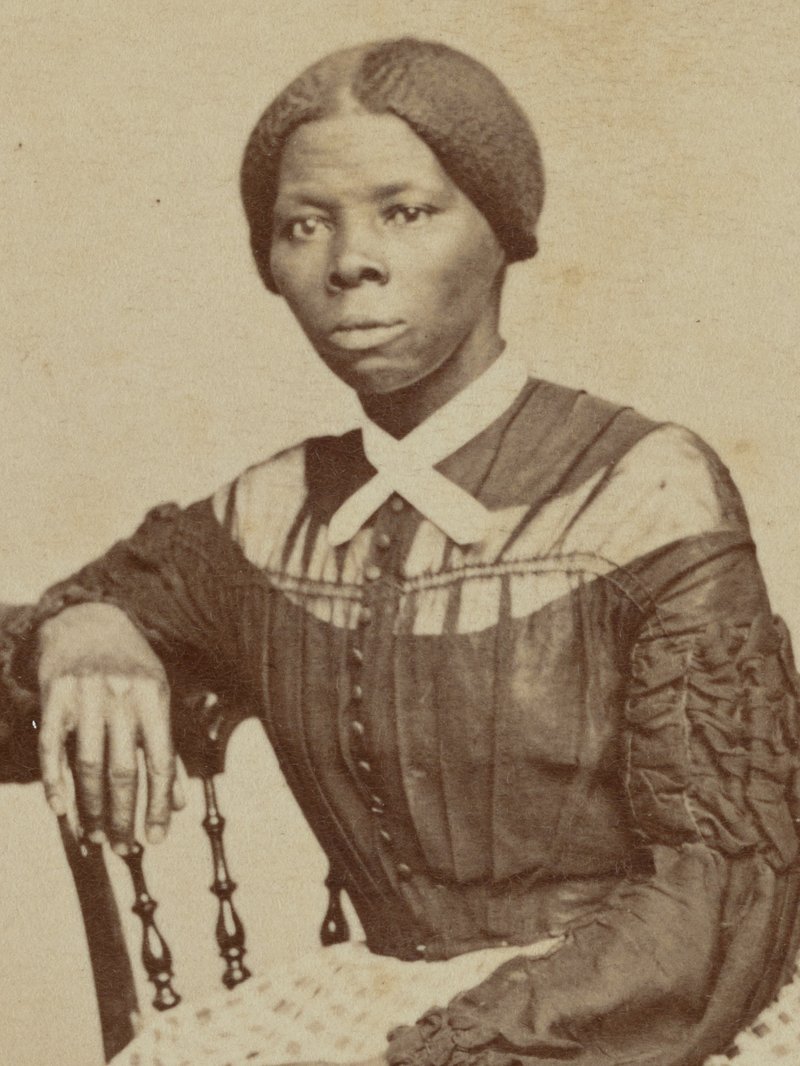
Harriet Tubman
March 1822–1913
Escaped enslaved woman who became the most famous conductor on the Underground Railroad, leading over 70 people to freedom.
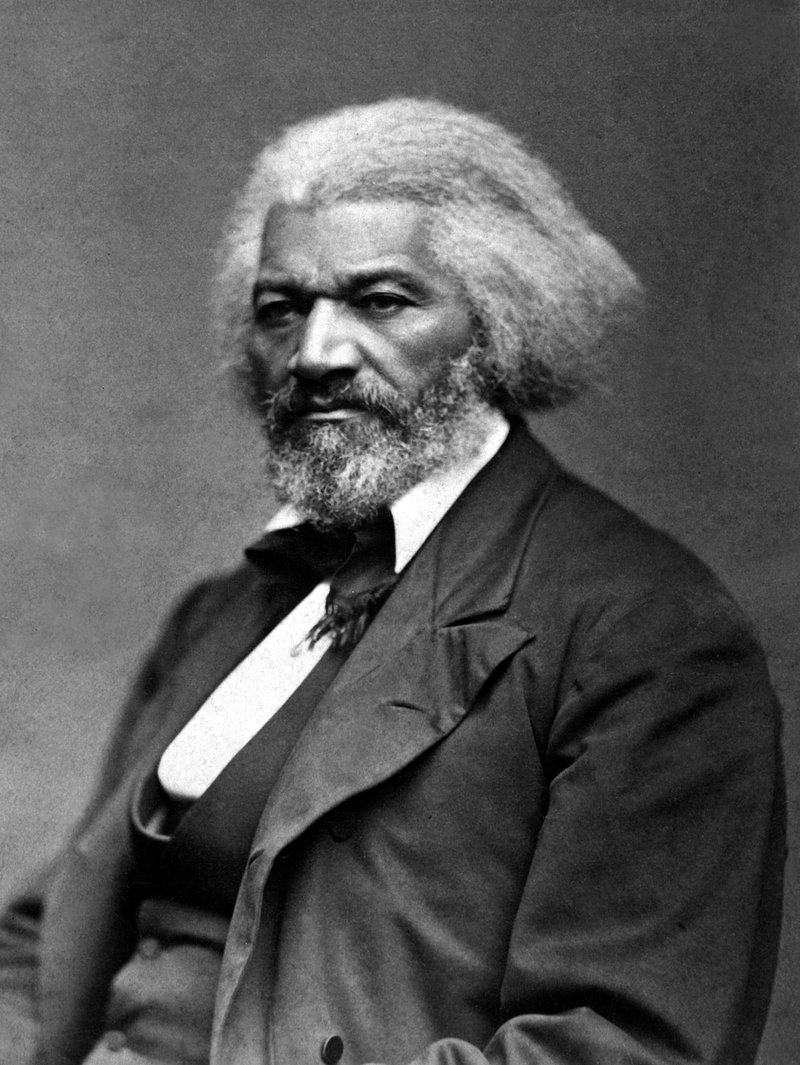
Frederick Douglass
February 1818–1895
Escaped slavery to become one of the most powerful voices against slavery in American history through his writing and speeches.
Key Events
Landmark events connected to this organization.
January 1, 1863
Emancipation Proclamation
President Abraham Lincoln issued an executive order declaring enslaved people in Confederate states to be forever free, transforming the Civil War into a fight for human freedom.
December 6, 1865
Ratification of the 13th Amendment
The 13th Amendment to the U.S. Constitution was ratified, permanently abolishing slavery throughout the United States and ending centuries of forced labor.
Related Organizations
Other organizations and movements connected to this story.
Want to teach this organization? We've done the work for you.
Underground Railroad Complete Teaching Bundle
Lesson Plan
Comprehensive lesson plan covering the organization's founding, mission, key leaders, and lasting impact.
Student Workbook
Interactive workbook with reading passages, timeline activities, leadership analysis, and a quiz.
Flashcard Set
40 cards covering vocabulary, key facts, leaders, achievements, and review challenges.
Instant digital download · Printable PDF · Grades 4–8 · Verified accurate
Here's a peek inside...
📖 Lesson Plan
📝 Student Workbook
Read the passage about the Underground Railroad and answer the questions below.
🃏 Flashcard Set - Click to Flip!
Click the card to flip it
Get a Free Sample
Try before you buy! Enter your email to receive a free sampler with flashcards, activities, and a lesson plan excerpt. No spam, just history.