The Great Migration
The mass movement of approximately 6 million Black Americans from the rural South to cities in the North, Midwest, and West, transforming American demographics, culture, and politics.
View Teaching Bundle →
What Was the The Great Migration?
The mass movement of approximately 6 million Black Americans from the rural South to cities in the North, Midwest, and West, transforming American demographics, culture, and politics.
Between 1910 and 1970, approximately 6 million Black Americans made one of the biggest moves in American history. They left the rural South — where Jim Crow laws, racial violence, and poverty made life dangerous and unfair — and traveled to cities in the North, Midwest, and West in search of safety, freedom, and better jobs. This massive movement is called the Great Migration. It happened in two waves: the first during World War I when Northern factories needed workers, and a second, even larger wave during and after World War II. When migrants arrived in cities like Chicago, New York, Detroit, and Los Angeles, they built vibrant neighborhoods filled with churches, businesses, music clubs, and newspapers. They also brought Southern traditions — especially jazz, blues, and gospel music — that transformed American culture forever. The Great Migration wasn't just a move across the map. It changed who lived where in America and gave Black citizens the political power to help win civil rights for all.
Key Events
Did You Know?
A Newspaper Started It All
The Chicago Defender newspaper encouraged Black Southerners to move North. Pullman train porters secretly distributed copies throughout the South, spreading the word about opportunities.
Six Million People Moved
Approximately 6 million Black Americans left the South between 1910 and 1970 — one of the largest internal migrations in the history of any country.
Not Just to New York and Chicago
During the second wave (1940–1970), many migrants headed West to cities like Los Angeles, Oakland, San Francisco, and Seattle — not just to the Northeast and Midwest.
A 23-Year-Old Told the Story
In 1941, artist Jacob Lawrence completed 'The Migration Series' — 60 paintings that remain the most famous artistic depiction of the Great Migration. He was just 23 years old.
The Music Moved Too
When Black Southerners moved North, they brought their music with them. Blues from Mississippi became Chicago blues. New Orleans jazz became the soundtrack of New York's Harlem. These sounds changed American music forever.
Historical Images
Primary sources from the The Great Migration era
Rapp Road Community Historic District, Rapp Road, Albany, Albany County, NY
Source: Library of Congress No known restrictions (LOC)
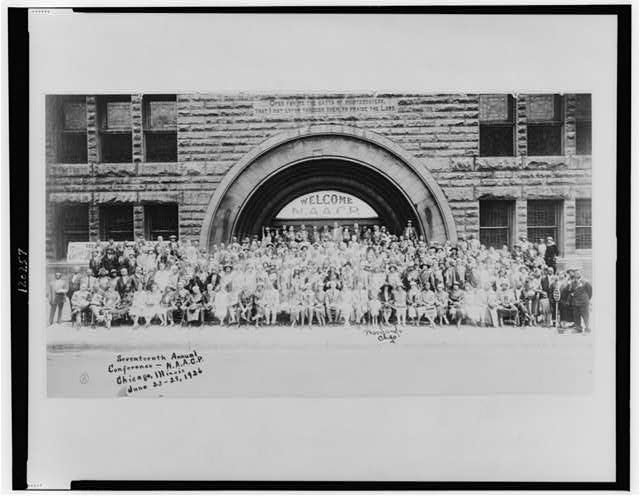
Seventeenth annual conference - N.A.A.C.P., Chicago, Illinois, June 23-29, 1926
Source: Library of Congress No known restrictions (LOC)
![[African American men in the lobby of the "Chicago colored Y.M.C.A."]](/images/eras/great-migration/great-migration-03.jpg)
[African American men in the lobby of the "Chicago colored Y.M.C.A."]
Source: Library of Congress No known restrictions (LOC)
![[Rowhouses along a street in Harlem, New York City]](/images/eras/great-migration/great-migration-04.jpg)
[Rowhouses along a street in Harlem, New York City]
Source: Library of Congress No known restrictions (LOC)
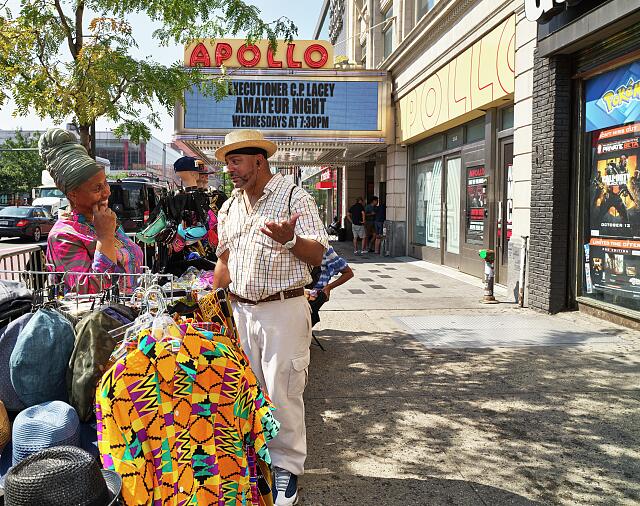
Stanley Guy, a New York actor, looks over shirts for sale outside the famous Apollo Theater in the Harlem neighborhood of upper Manhattan borough, one of five such county-like political jurisdictions in sprawling New York City
Source: Library of Congress No known restrictions (LOC)
Key Figures of The Great Migration
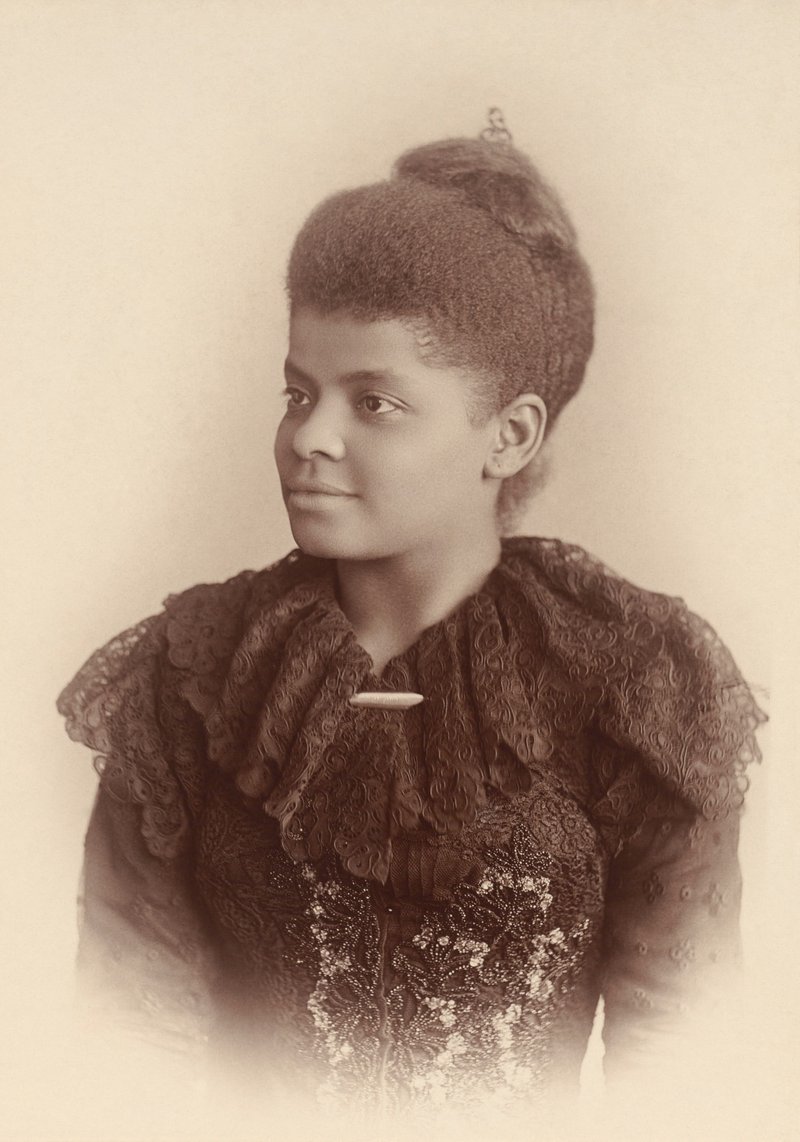
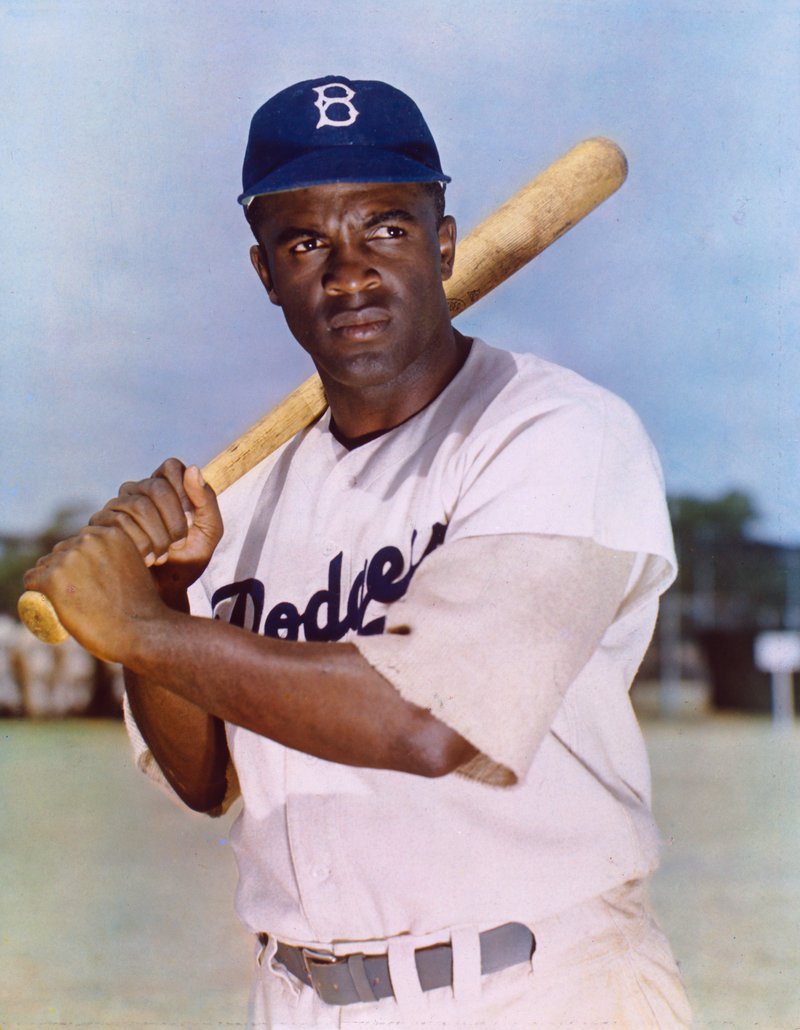
The people who shaped this era.
Want to teach this era? We've done the work for you.
The Great Migration Complete Teaching Bundle
Lesson Plan
Comprehensive lesson plan covering the full era with learning objectives, activities, and assessment.
Student Workbook
Interactive workbook with reading passages, timeline activities, primary source analysis, and a quiz.
Flashcard Set
40 cards covering vocabulary, key facts, events, important people, and review challenges.
Instant digital download · Printable PDF · Grades 4–8 · Verified accurate
Here's a peek inside...
📖 Lesson Plan
📝 Student Workbook
Read the passage about The Great Migration and answer the questions below.
🃏 Flashcard Set - Click to Flip!
Click the card to flip it
Get a Free Sample
Try before you buy! Enter your email to receive a free sampler with flashcards, activities, and a lesson plan excerpt. No spam, just history.
Go Deeper: Individual Figure Bundles
Each figure from this era has their own complete teaching bundle.
Ida B. Wells
Complete teaching bundle: lesson plan, workbook, and 40-card flashcard set.
View Bundle →Jackie Robinson
Complete teaching bundle: lesson plan, workbook, and 40-card flashcard set.
View Bundle →