Slavery & Abolitionism
The era of American slavery and the growing movement to abolish it, from the arrival of the first enslaved Africans to the end of the Civil War.
View Teaching Bundle →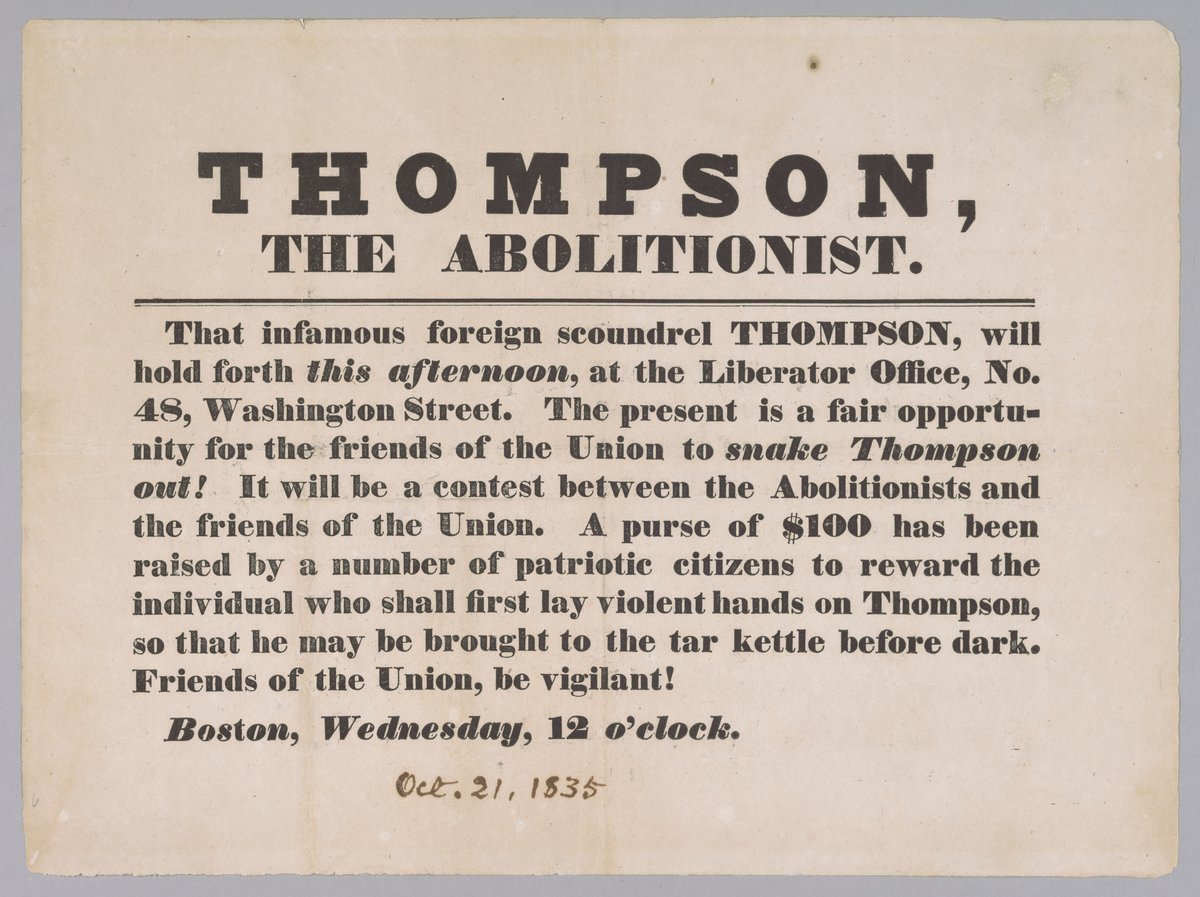
What Was the Slavery & Abolitionism?
The era of American slavery and the growing movement to abolish it, from the arrival of the first enslaved Africans to the end of the Civil War.
For nearly 250 years, slavery shaped every part of American life. It began in 1619 when the first enslaved Africans were brought to Jamestown, Virginia, and it did not end until the 13th Amendment was ratified in 1865. During this time, millions of African men, women, and children were taken from their homes, forced onto ships during the brutal Middle Passage, and sold into a life of unpaid labor. Enslaved people built the economy of the South, growing cotton, tobacco, and sugar that made slaveholders wealthy. But enslaved people were never passive victims. They resisted in countless ways — preserving their languages and traditions, forming strong family bonds, running away, and fighting back. By the early 1800s, a powerful abolitionist movement was growing. Black and white Americans spoke out against slavery, published newspapers, organized conventions, and helped people escape through the Underground Railroad. Leaders like Frederick Douglass, Harriet Tubman, and Sojourner Truth risked their lives to demand freedom and equality. As the nation divided over slavery, tensions erupted into the Civil War in 1861. President Abraham Lincoln's Emancipation Proclamation in 1863 declared enslaved people in Confederate states to be free, and in 1865, the 13th Amendment officially abolished slavery across the entire nation. The era of slavery and abolitionism is a story of tremendous suffering, but it is also a story of extraordinary courage, resilience, and the enduring fight for human freedom.
Key Events
Watch and Learn
Did You Know?
Enslaved People Created Rich Cultural Traditions
Even under the cruelest conditions, enslaved people created vibrant music, stories, and spiritual traditions. Spirituals — songs with deep emotional and religious meaning — were sometimes used to send secret messages about escape routes on the Underground Railroad.
The Underground Railroad Was Not a Real Railroad
The Underground Railroad was a secret network of safe houses, hidden routes, and brave people who helped enslaved people escape to freedom. It used railroad language as code: safe houses were called 'stations,' guides were called 'conductors,' and the people escaping were called 'passengers.'
Frederick Douglass Taught Himself to Read
Frederick Douglass learned to read as a boy in Baltimore, even though it was illegal to teach enslaved people to read. He traded bread to white children in the neighborhood in exchange for reading lessons, and later said that literacy was his 'pathway from slavery to freedom.'
About 12.5 Million Africans Were Taken in the Slave Trade
Historians estimate that about 12.5 million Africans were forced onto slave ships during the transatlantic slave trade. Roughly 10.7 million survived the brutal Middle Passage — the journey across the Atlantic Ocean — which could last two to three months in horrific conditions.
Enslaved People Resisted Every Day
Resistance took many forms beyond dramatic escapes and rebellions. Enslaved people slowed their work, broke tools, pretended to be sick, learned to read in secret, maintained family connections, and preserved African cultural traditions — all acts of defiance against a system designed to strip them of their humanity.
Historical Images
Primary sources from the Slavery & Abolitionism era
Broadside calling for violence against abolitionist George Thompson
Source: Smithsonian NMAAHC CC0 (Smithsonian Open Access)
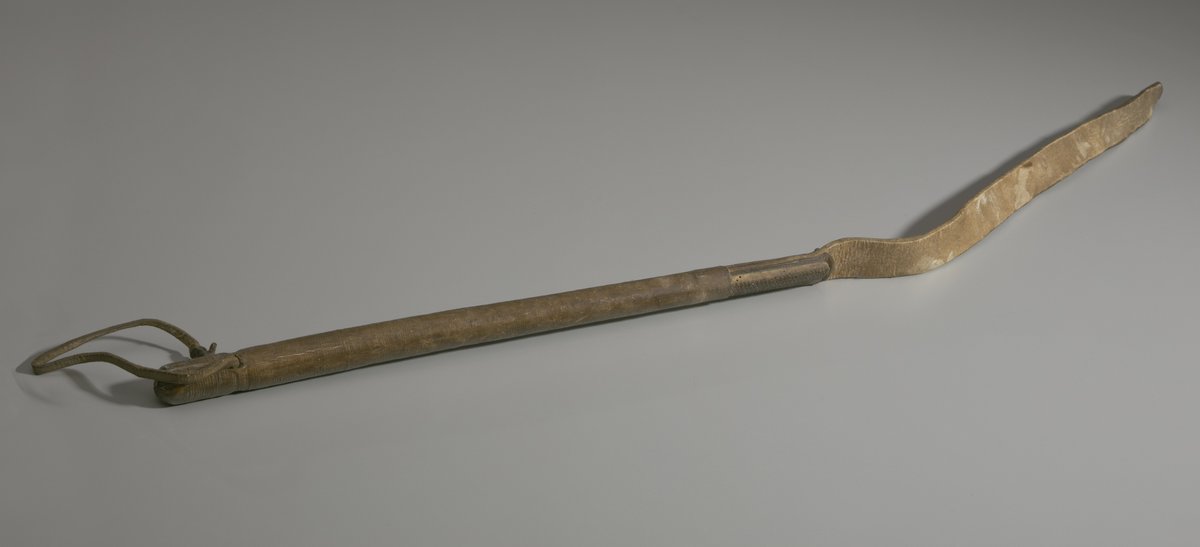
Whip owned by British abolitionist Charles James Fox
Source: Smithsonian NMAAHC CC0 (Smithsonian Open Access)
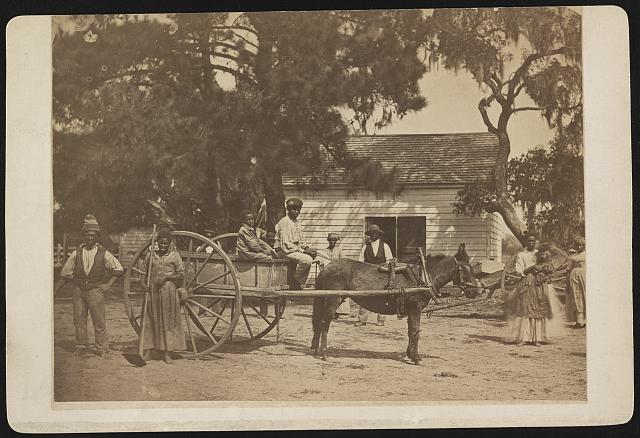
Photographs of African American life from the Marian S. Carson collection
Source: Library of Congress No known restrictions (LOC)
![[Cabins for enslaved workers on a plantation, Port Royal, South Carolina]](/images/eras/slavery-and-abolitionism/slavery-and-abolitionism-04.jpg)
[Cabins for enslaved workers on a plantation, Port Royal, South Carolina]
Source: Library of Congress No known restrictions (LOC)
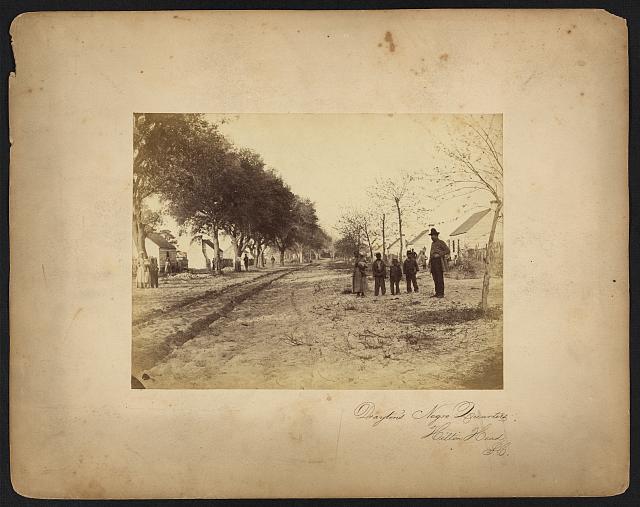
Drayton's negro quarters, Hilton Head, S.C.
Source: Library of Congress No known restrictions (LOC)
Key Figures of Slavery & Abolitionism
The people who shaped this era.
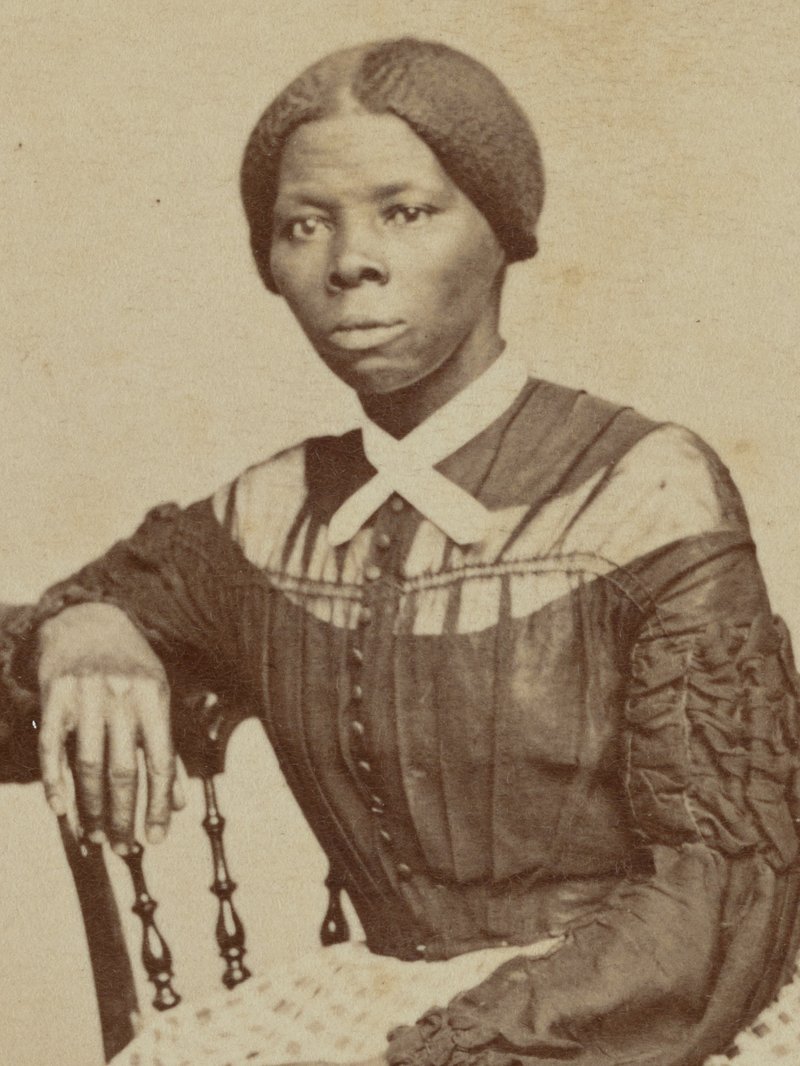
Harriet Tubman
March 1822–1913
Escaped enslaved woman who became the most famous conductor on the Underground Railroad, leading over 70 people to freedom.
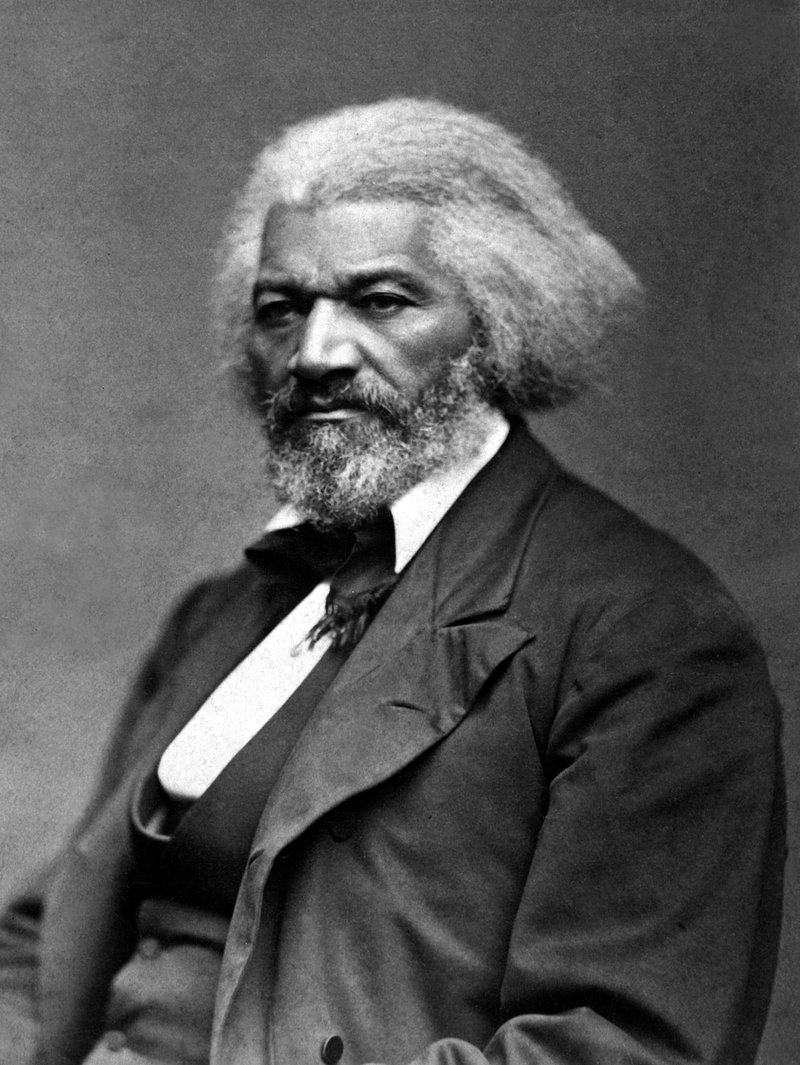
Frederick Douglass
February 1818–1895
Escaped slavery to become one of the most powerful voices against slavery in American history through his writing and speeches.
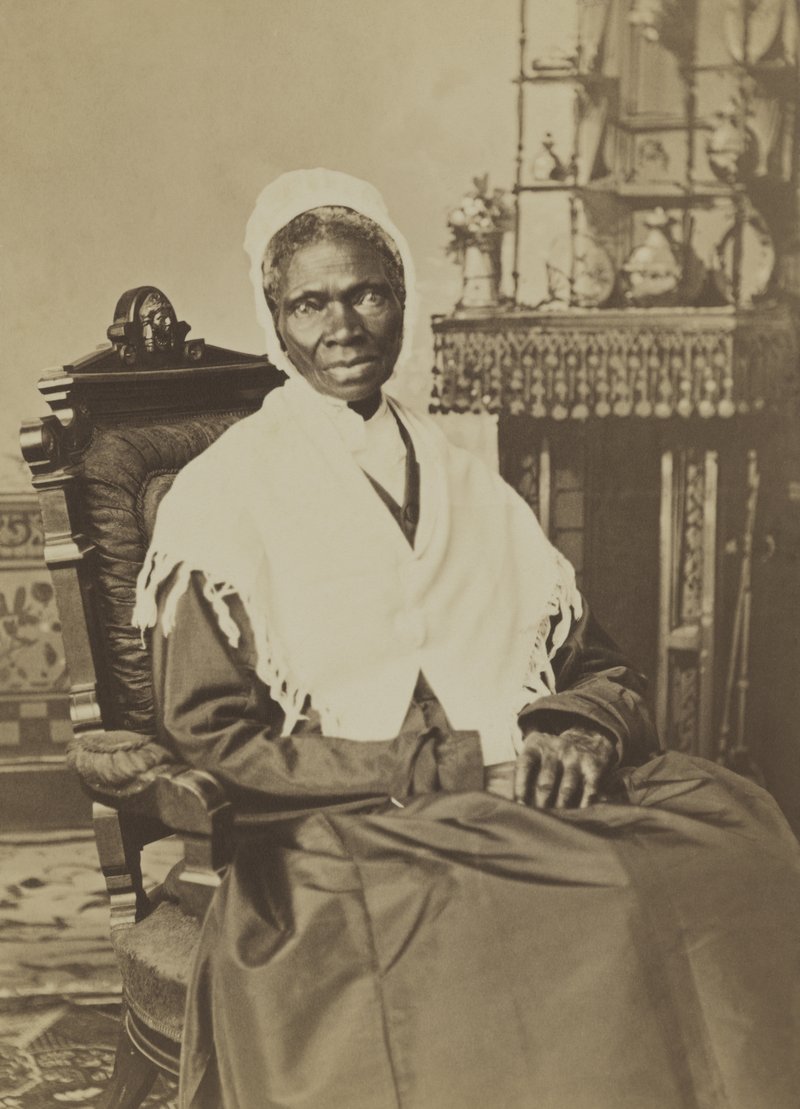
Sojourner Truth
1797–1883
Formerly enslaved woman who became one of the most powerful voices for abolition and women's rights in 19th-century America.
Want to teach this era? We've done the work for you.
Slavery & Abolitionism Complete Teaching Bundle
Lesson Plan
Comprehensive lesson plan covering the full era with learning objectives, activities, and assessment.
Student Workbook
Interactive workbook with reading passages, timeline activities, primary source analysis, and a quiz.
Flashcard Set
40 cards covering vocabulary, key facts, events, important people, and review challenges.
Instant digital download · Printable PDF · Grades 4–8 · Verified accurate
Here's a peek inside...
📖 Lesson Plan
📝 Student Workbook
Read the passage about Slavery & Abolitionism and answer the questions below.
🃏 Flashcard Set - Click to Flip!
Click the card to flip it
Get a Free Sample
Try before you buy! Enter your email to receive a free sampler with flashcards, activities, and a lesson plan excerpt. No spam, just history.
Go Deeper: Individual Figure Bundles
Each figure from this era has their own complete teaching bundle.
Harriet Tubman
Complete teaching bundle: lesson plan, workbook, and 40-card flashcard set.
View Bundle →Frederick Douglass
Complete teaching bundle: lesson plan, workbook, and 40-card flashcard set.
View Bundle →Sojourner Truth
Complete teaching bundle: lesson plan, workbook, and 40-card flashcard set.
View Bundle →