Brown v. Board of Education
The Supreme Court unanimously ruled that racial segregation in public schools was unconstitutional, overturning the 'separate but equal' doctrine and sparking the modern civil rights movement.
View Teaching Bundle →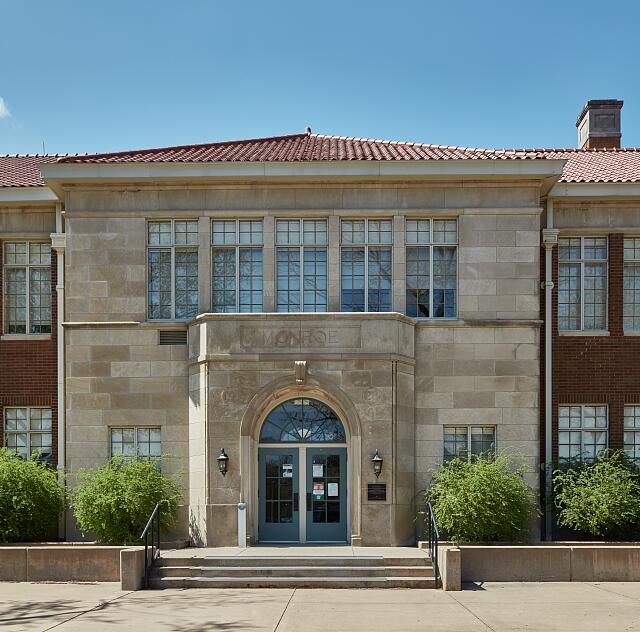
What Was the Brown v. Board of Education?
The Supreme Court unanimously ruled that racial segregation in public schools was unconstitutional, overturning the 'separate but equal' doctrine and sparking the modern civil rights movement.
On May 17, 1954, the United States Supreme Court made one of the most important decisions in American history. In the case of Brown v. Board of Education of Topeka, the Court unanimously ruled that separating children by race in public schools was unconstitutional. Chief Justice Earl Warren wrote the opinion, declaring that 'separate educational facilities are inherently unequal.' This decision overturned the 1896 Plessy v. Ferguson ruling, which had allowed segregation under the idea of 'separate but equal.' The case was actually a combination of five separate lawsuits from Kansas, South Carolina, Virginia, Delaware, and Washington, D.C. It was named after Oliver Brown, a father in Topeka, Kansas, whose daughter Linda had to walk past a nearby white school to reach a bus stop, then ride a bus to attend a Black school farther from home. The lead attorney who argued the case before the Supreme Court was Thurgood Marshall of the NAACP Legal Defense and Educational Fund. Marshall had spent years building a legal strategy to challenge segregation, winning case after case on the way to this historic moment. He would later become the first Black Justice on the Supreme Court. The Brown decision did not end segregation overnight — the Court ordered schools to integrate 'with all deliberate speed,' and many communities resisted for years. But the ruling sent a powerful message: under the law, all children deserve equal opportunities in education, no matter the color of their skin. It became a foundation for the entire civil rights movement that followed.
Timeline
Watch and Learn
Did You Know?
It Was Actually Five Cases in One
Brown v. Board of Education was not just one lawsuit — it combined five separate cases from Kansas, South Carolina, Virginia, Delaware, and Washington, D.C. The Supreme Court grouped them together to address school segregation as a national issue.
The Decision Was Unanimous
All nine Supreme Court justices agreed that school segregation was unconstitutional. Chief Justice Earl Warren worked hard to achieve a unanimous 9-0 decision, believing it would send a stronger message to the nation.
Linda Brown's Long Journey to School
Linda Brown, the child at the center of the case, was a third-grader in Topeka, Kansas. To get to school, she had to walk six blocks to a bus stop and then ride a bus to Monroe Elementary, a Black school. A white school called Sumner Elementary was only seven blocks from her home, but she was not allowed to attend it.
Thurgood Marshall Became a Supreme Court Justice
The attorney who argued the Brown case, Thurgood Marshall, went on to become the first Black Justice on the United States Supreme Court in 1967. He served for 24 years.
Doll Studies Helped Win the Case
Psychologists Kenneth and Mamie Clark conducted studies where Black children were asked to choose between Black and white dolls. Most children preferred the white doll, showing that segregation harmed Black children's self-image. This evidence was cited in the Brown case.
Key Figures Involved
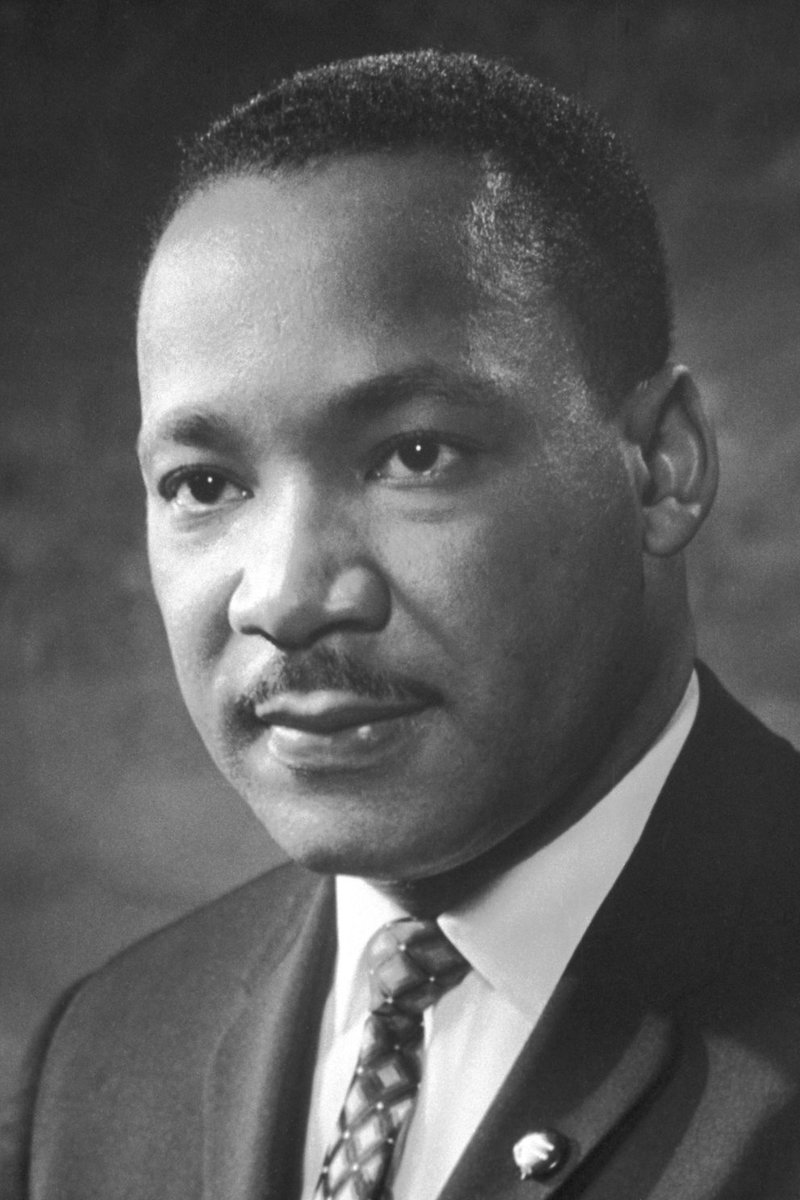
The people who played a role in this event.
Related Events
Other landmark events connected to this moment in history.
September 4, 1957
Little Rock Nine
Nine Black students bravely integrated Central High School in Little Rock, Arkansas, facing violent mobs and requiring federal troops for protection.
July 2, 1964
Civil Rights Act Signed
President Lyndon B. Johnson signed the Civil Rights Act of 1964 into law, outlawing discrimination based on race, color, religion, sex, or national origin.
Want to teach this event? We've done the work for you.
Brown v. Board of Education Complete Teaching Bundle
Lesson Plan
Comprehensive lesson plan covering the full event with learning objectives, activities, and assessment.
Student Workbook
Interactive workbook with reading passages, timeline activities, primary source analysis, and a quiz.
Flashcard Set
40 cards covering vocabulary, key facts, people, causes, effects, and review challenges.
Instant digital download · Printable PDF · Grades 4–8 · Verified accurate
Here's a peek inside...
📖 Lesson Plan
📝 Student Workbook
Read the passage about Brown v. Board of Education and answer the questions below.
🃏 Flashcard Set - Click to Flip!
Click the card to flip it
Get a Free Sample
Try before you buy! Enter your email to receive a free sampler with flashcards, activities, and a lesson plan excerpt. No spam, just history.