Civil Rights Act Signed
President Lyndon B. Johnson signed the Civil Rights Act of 1964 into law, outlawing discrimination based on race, color, religion, sex, or national origin.
View Teaching Bundle →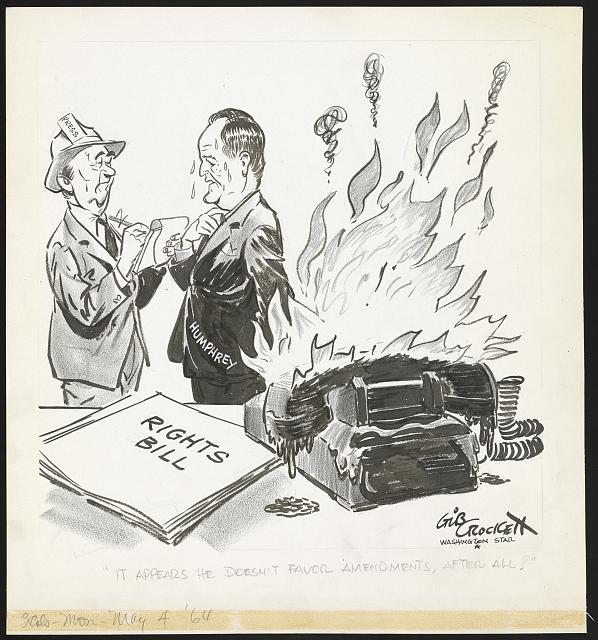
What Was the Civil Rights Act Signed?
President Lyndon B. Johnson signed the Civil Rights Act of 1964 into law, outlawing discrimination based on race, color, religion, sex, or national origin.
On July 2, 1964, President Lyndon B. Johnson signed one of the most important laws in American history. The Civil Rights Act of 1964 made it illegal to discriminate against people because of their race, color, religion, sex, or national origin. For the first time, the federal government had a powerful tool to protect the rights of all Americans in their daily lives. The road to this law was long and hard. For nearly a century after slavery ended, many states — especially in the South — had passed Jim Crow laws that kept Black Americans separated from white Americans. Black people were forced to use different schools, restaurants, hotels, water fountains, and restrooms. They were often denied jobs or paid less than white workers doing the same work. President John F. Kennedy first proposed the civil rights bill in June 1963, inspired by the courage of activists who faced violence while fighting for equality. After Kennedy was assassinated in November 1963, President Johnson made passing the bill a priority, honoring Kennedy's legacy. The bill faced fierce opposition in the Senate, where opponents talked for 60 days — the longest filibuster in American history — trying to block it. With the help of Senator Everett Dirksen, enough senators finally voted to end the filibuster and pass the law. The Civil Rights Act had 11 sections, called titles. Title II outlawed discrimination in public places like restaurants, theaters, and hotels. Title VII made it illegal for employers to discriminate in hiring, and it created the Equal Employment Opportunity Commission to enforce workplace fairness. This landmark law changed America, opening doors that had been closed to millions of people for far too long.
Timeline
Watch and Learn
Did You Know?
The Longest Filibuster in History
Opponents of the Civil Rights Act talked nonstop on the Senate floor for 60 days trying to block the bill from passing. It was the longest filibuster in American history, and it took a special vote of 67 senators — a two-thirds majority — to finally end it.
Johnson Used About 72 Pens to Sign the Law
When President Johnson signed the Civil Rights Act on July 2, 1964, he used approximately 72 pens so he could give them away as souvenirs to the leaders who helped make the law happen, including Dr. Martin Luther King Jr.
The Bill Almost Died in Committee
The civil rights bill nearly stalled in the House Rules Committee, whose chairman opposed it and delayed bringing it to the full House for a vote. Speaker John McCormack applied pressure, and supporters threatened to use a discharge petition to bypass the committee — eventually forcing the bill through to the House floor.
The Act Created the EEOC
The Civil Rights Act of 1964 created the Equal Employment Opportunity Commission, a brand-new government agency whose job was to investigate and stop discrimination in the workplace. The EEOC still protects workers' rights today.
It Protected More Than Race
While the Civil Rights Act was driven by the fight against racial discrimination, it also outlawed discrimination based on color, religion, sex, and national origin. This meant the law protected a wide range of Americans from unfair treatment.
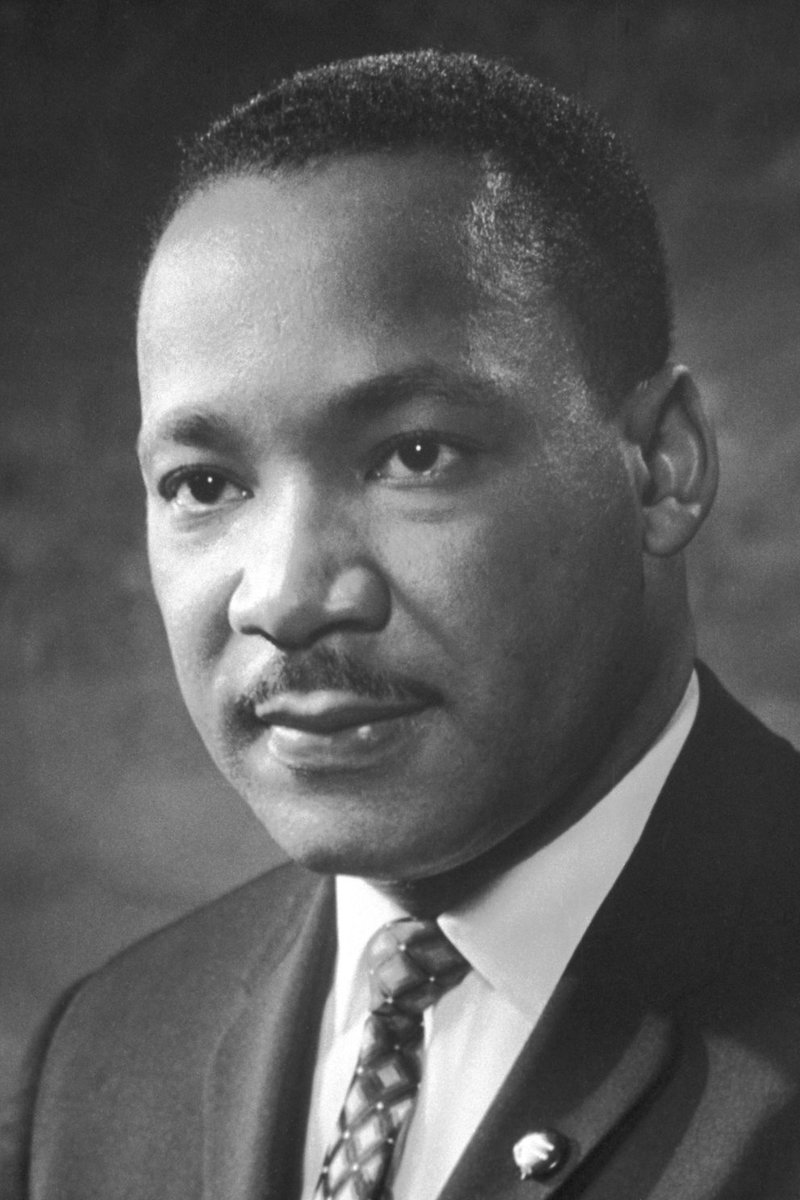
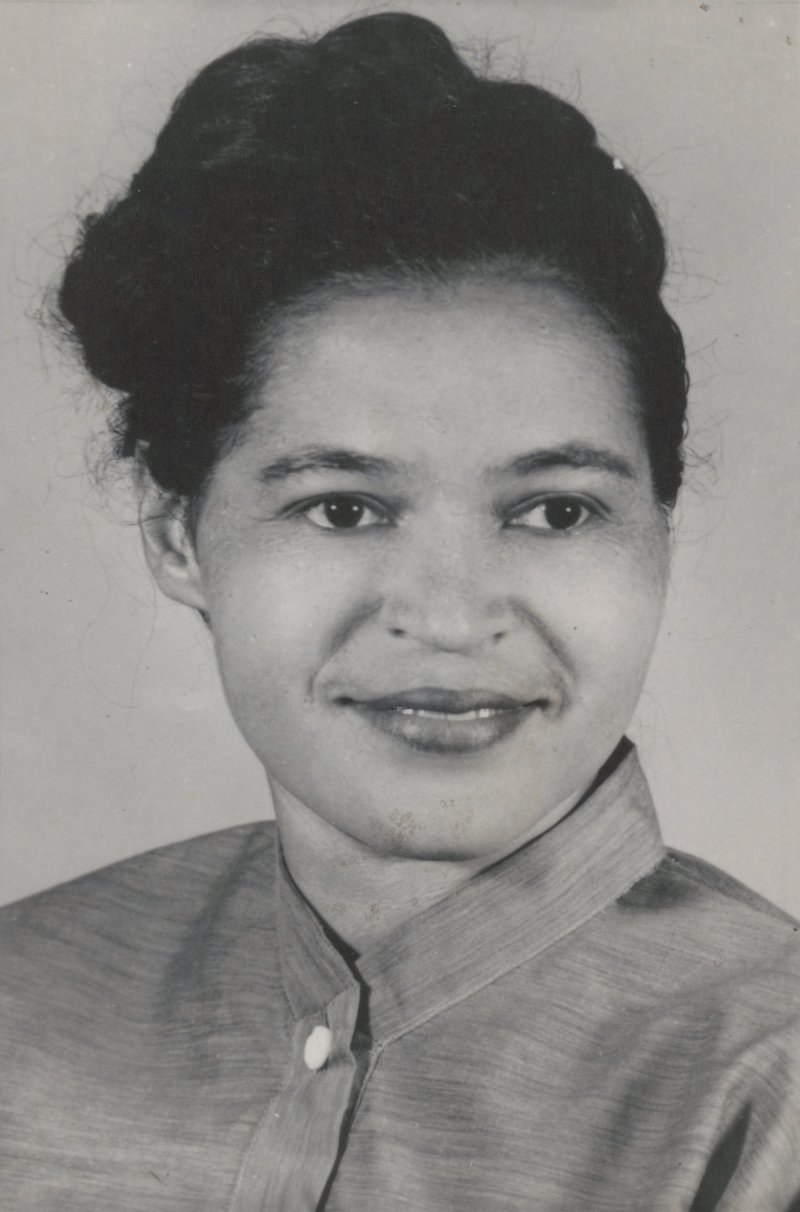
Key Figures Involved
The people who played a role in this event.
Related Events
Other landmark events connected to this moment in history.
August 28, 1963
March on Washington
Over 250,000 people gathered at the Lincoln Memorial, where Martin Luther King Jr. delivered his iconic 'I Have a Dream' speech, demanding civil rights and economic justice.
March 7 – March 25, 1965
Selma to Montgomery Marches
Three marches from Selma to Montgomery, Alabama, demanded voting rights for Black Americans. The first march, known as 'Bloody Sunday,' was met with brutal police violence.
Want to teach this event? We've done the work for you.
Civil Rights Act Signed Complete Teaching Bundle
Lesson Plan
Comprehensive lesson plan covering the full event with learning objectives, activities, and assessment.
Student Workbook
Interactive workbook with reading passages, timeline activities, primary source analysis, and a quiz.
Flashcard Set
40 cards covering vocabulary, key facts, people, causes, effects, and review challenges.
Instant digital download · Printable PDF · Grades 4–8 · Verified accurate
Here's a peek inside...
📖 Lesson Plan
📝 Student Workbook
Read the passage about Civil Rights Act Signed and answer the questions below.
🃏 Flashcard Set - Click to Flip!
Click the card to flip it
Get a Free Sample
Try before you buy! Enter your email to receive a free sampler with flashcards, activities, and a lesson plan excerpt. No spam, just history.