March on Washington
Over 250,000 people gathered at the Lincoln Memorial, where Martin Luther King Jr. delivered his iconic 'I Have a Dream' speech, demanding civil rights and economic justice.
View Teaching Bundle →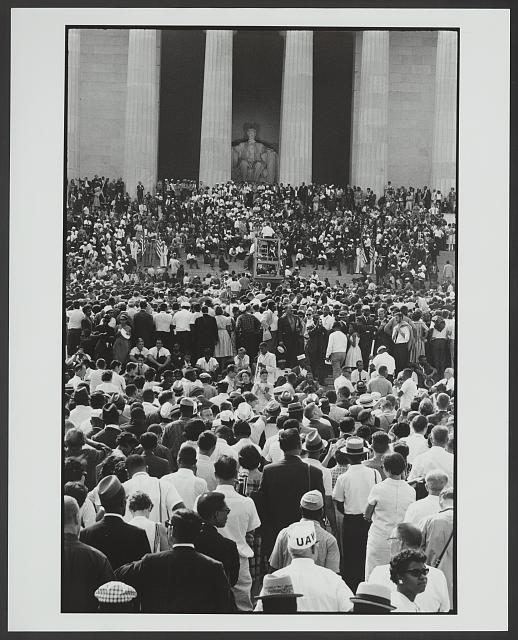
What Was the March on Washington?
Over 250,000 people gathered at the Lincoln Memorial, where Martin Luther King Jr. delivered his iconic 'I Have a Dream' speech, demanding civil rights and economic justice.
On August 28, 1963, something incredible happened in the nation's capital. Over 250,000 people traveled from every corner of the country to Washington, D.C., for the March on Washington for Jobs and Freedom. It was the largest peaceful demonstration in American history at that time. People came by bus, by train, by car, and even on foot. They were Black and white, young and old, rich and poor — all united by the belief that every American deserved equal rights and fair treatment. The march was organized by two remarkable men: A. Philip Randolph, a legendary labor leader, and Bayard Rustin, a brilliant strategist who planned every detail in just two months. They brought together civil rights leaders, religious figures, labor unions, and ordinary citizens in a display of unity the country had never seen. The crowd gathered along the National Mall, stretching from the Washington Monument to the Lincoln Memorial. Speakers took the stage throughout the day. John Lewis, just 23 years old, spoke about the urgency of change. Roy Wilkins and Whitney Young called for strong civil rights legislation. Rabbi Joachim Prinz spoke about the danger of silence in the face of injustice. The great Mahalia Jackson sang, and Marian Anderson performed. But the moment the world remembers most came at the end of the day, when Dr. Martin Luther King Jr. stepped to the microphone and delivered his 'I Have a Dream' speech. Broadcast live on national television, his words reached millions and became one of the most powerful speeches in history. The march helped build the public support needed to pass the Civil Rights Act of 1964, proving that when people come together peacefully, their voices can change the world.
Timeline
Watch and Learn
Did You Know?
Bayard Rustin Organized It in Just Two Months
Bayard Rustin was the genius behind the planning. He organized transportation, stages, sound systems, portable toilets, medical stations, and food for over 250,000 people in about eight weeks. It was one of the greatest organizing feats in American history.
John Lewis's Speech Was Edited
John Lewis, at just 23 years old, originally wrote a much more confrontational speech. Other march leaders asked him to tone it down. Lewis agreed to make changes, but his speech was still one of the most passionate and powerful of the day.
Mahalia Jackson Helped Inspire the Dream
During Dr. King's speech, many historians report that gospel singer Mahalia Jackson called out to him from near the podium — encouraging him to speak about his dream. Dr. King then set aside his prepared text and began the famous 'I have a dream' section of his speech. The exact words of her encouragement are remembered differently by different witnesses, but her role in inspiring that moment is widely recognized.
The March Was Broadcast Live on Television
All three major television networks — ABC, CBS, and NBC — broadcast the March on Washington live. It was one of the first major civil rights events seen by millions of Americans in their homes, which helped build public support for change.
It Was Called the March for Jobs AND Freedom
The full name was the March on Washington for Jobs and Freedom. The organizers wanted to make clear that civil rights were not just about ending segregation — they were also about economic justice, fair wages, and equal job opportunities for Black Americans.
Key Figures Involved
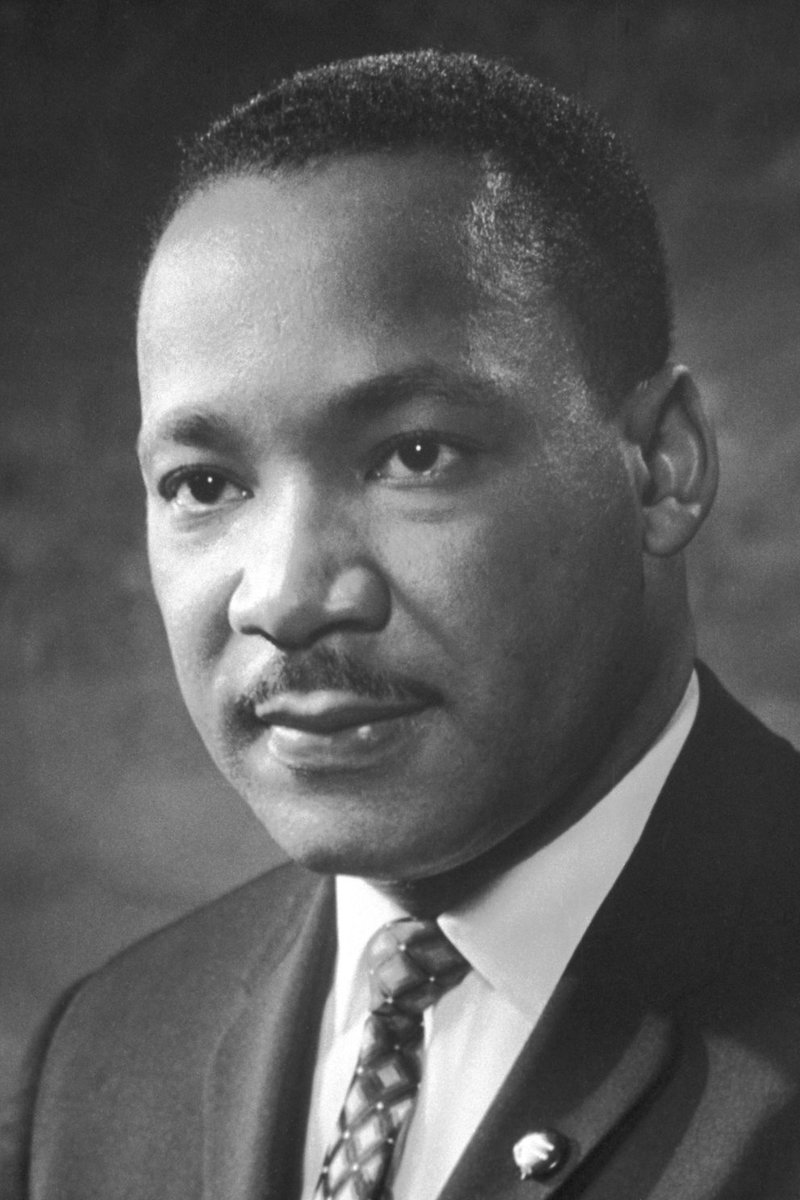
The people who played a role in this event.
Related Events
Other landmark events connected to this moment in history.
July 2, 1964
Civil Rights Act Signed
President Lyndon B. Johnson signed the Civil Rights Act of 1964 into law, outlawing discrimination based on race, color, religion, sex, or national origin.
March 7 – March 25, 1965
Selma to Montgomery Marches
Three marches from Selma to Montgomery, Alabama, demanded voting rights for Black Americans. The first march, known as 'Bloody Sunday,' was met with brutal police violence.
Want to teach this event? We've done the work for you.
March on Washington Complete Teaching Bundle
Lesson Plan
Comprehensive lesson plan covering the full event with learning objectives, activities, and assessment.
Student Workbook
Interactive workbook with reading passages, timeline activities, primary source analysis, and a quiz.
Flashcard Set
40 cards covering vocabulary, key facts, people, causes, effects, and review challenges.
Instant digital download · Printable PDF · Grades 4–8 · Verified accurate
Here's a peek inside...
📖 Lesson Plan
📝 Student Workbook
Read the passage about March on Washington and answer the questions below.
🃏 Flashcard Set - Click to Flip!
Click the card to flip it
Get a Free Sample
Try before you buy! Enter your email to receive a free sampler with flashcards, activities, and a lesson plan excerpt. No spam, just history.