Selma to Montgomery Marches
Three marches from Selma to Montgomery, Alabama, demanded voting rights for Black Americans. The first march, known as 'Bloody Sunday,' was met with brutal police violence.
View Teaching Bundle →
What Was the Selma to Montgomery Marches?
Three marches from Selma to Montgomery, Alabama, demanded voting rights for Black Americans. The first march, known as 'Bloody Sunday,' was met with brutal police violence.
In the spring of 1965, three marches along the 54-mile route from Selma to Montgomery, Alabama, changed the course of American history. These marches were part of the fight for one of the most basic rights of citizenship: the right to vote. Even though the 15th Amendment had guaranteed Black men the right to vote in 1870, many states had created unfair barriers to keep Black Americans from the ballot box. Literacy tests, poll taxes, and threats of violence made it nearly impossible for Black citizens to register to vote in much of the South. In Selma, Alabama, only about 2 percent of eligible Black residents were registered to vote. On March 7, 1965, about 600 marchers set out from Selma, planning to walk to the state capital in Montgomery to demand their voting rights. As they crossed the Edmund Pettus Bridge, state troopers attacked them with tear gas and clubs in a brutal assault that became known as Bloody Sunday. Civil rights leader John Lewis suffered a fractured skull but never stopped fighting for justice. Television cameras captured the violence, and millions of Americans watched in horror. Two days later, Dr. Martin Luther King Jr. led a second march to the bridge, but turned the marchers around in obedience to a court order. That night, Reverend James Reeb, a white Unitarian Universalist minister from Boston who had come to support the marchers, was attacked. He died of his injuries on March 11, 1965. The third march began on March 21 with about 3,200 people. They walked for five days, and by the time they reached Montgomery on March 25, the crowd had grown to 25,000. After the march, Viola Liuzzo, a white volunteer from Detroit, Michigan, was killed while driving marchers back to Selma. The courage of the Selma marchers and the sacrifice of those who gave their lives moved President Johnson and Congress to act. On August 6, 1965, the Voting Rights Act was signed into law, protecting the right of every American citizen to vote.
Timeline
Watch and Learn
Did You Know?
John Lewis Never Stopped Marching
John Lewis, who suffered a fractured skull on Bloody Sunday, went on to serve in the U.S. Congress for over 33 years. He returned to the Edmund Pettus Bridge every year to commemorate the march and encourage others to make 'good trouble.'
Television Changed Everything
The ABC television network interrupted its movie broadcast on the evening of March 7, 1965, to show footage of the Bloody Sunday attack. Millions of Americans saw peaceful marchers being beaten and gassed. The images shocked the nation and built overwhelming support for voting rights.
Volunteers Came from Across the Country
After seeing the Bloody Sunday footage, people from all over the United States traveled to Selma to join the march. Clergy members, students, and ordinary citizens of all races came to stand with the marchers, showing that the fight for voting rights united Americans from every background.
The Marchers Slept in Fields
During the five-day third march from Selma to Montgomery, marchers walked about 10 miles each day and slept in fields along the highway at night. Volunteers provided food, water, and medical care. On narrow stretches of highway, only 300 marchers were allowed to walk at a time.
Only 2 Percent of Black Residents Could Vote in Selma
Despite making up more than half of Selma's population, Black residents were almost completely shut out of voting. Unfair literacy tests, long wait times, and threats of violence kept the registration rate near 2 percent. The marches helped change that forever.
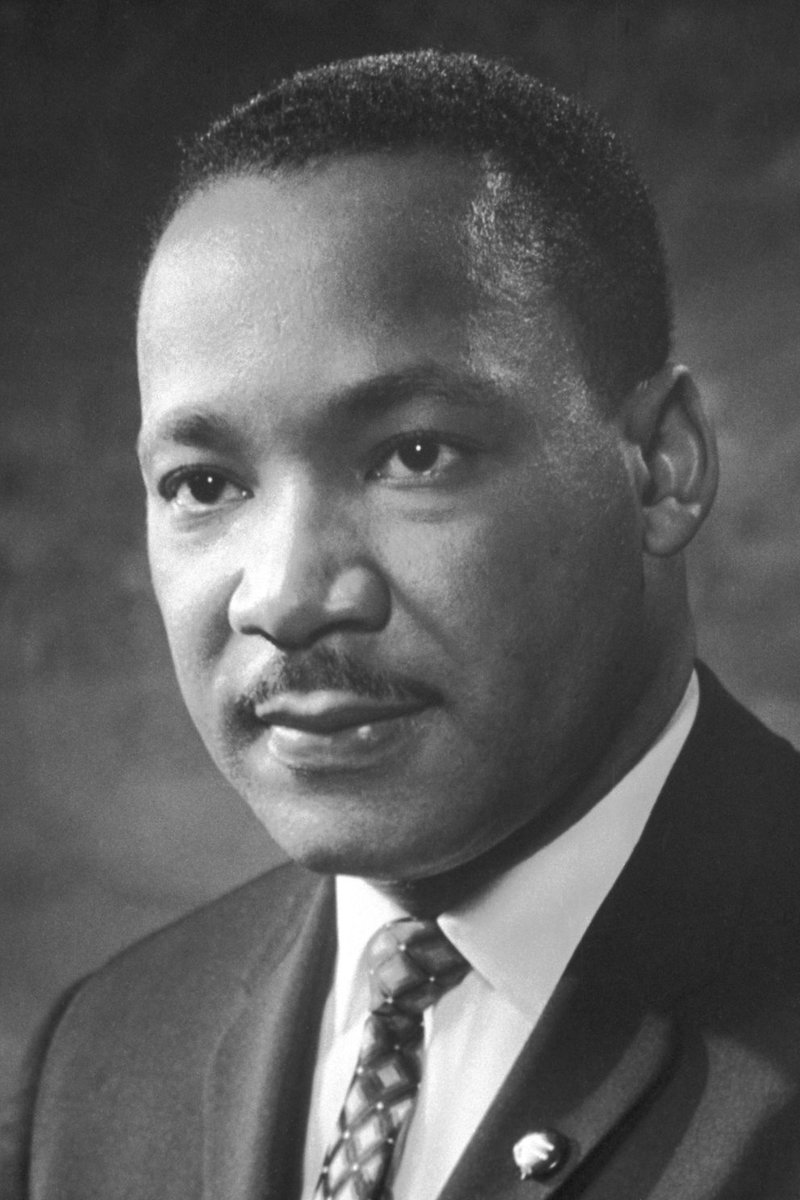
Key Figures Involved
The people who played a role in this event.
Related Events
Other landmark events connected to this moment in history.
July 2, 1964
Civil Rights Act Signed
President Lyndon B. Johnson signed the Civil Rights Act of 1964 into law, outlawing discrimination based on race, color, religion, sex, or national origin.
April 4, 1968
Assassination of Martin Luther King Jr.
Martin Luther King Jr. was assassinated in Memphis, Tennessee, at the age of 39. His death sparked nationwide grief, riots, and renewed urgency for racial justice.
Want to teach this event? We've done the work for you.
Selma to Montgomery Marches Complete Teaching Bundle
Lesson Plan
Comprehensive lesson plan covering the full event with learning objectives, activities, and assessment.
Student Workbook
Interactive workbook with reading passages, timeline activities, primary source analysis, and a quiz.
Flashcard Set
40 cards covering vocabulary, key facts, people, causes, effects, and review challenges.
Instant digital download · Printable PDF · Grades 4–8 · Verified accurate
Here's a peek inside...
📖 Lesson Plan
📝 Student Workbook
Read the passage about Selma to Montgomery Marches and answer the questions below.
🃏 Flashcard Set - Click to Flip!
Click the card to flip it
Get a Free Sample
Try before you buy! Enter your email to receive a free sampler with flashcards, activities, and a lesson plan excerpt. No spam, just history.