The Emancipation Proclamation
By Abraham Lincoln
The executive order that declared all enslaved people in Confederate states to be free, transforming the Civil War and setting the stage for the abolition of slavery.
View Teaching Bundle →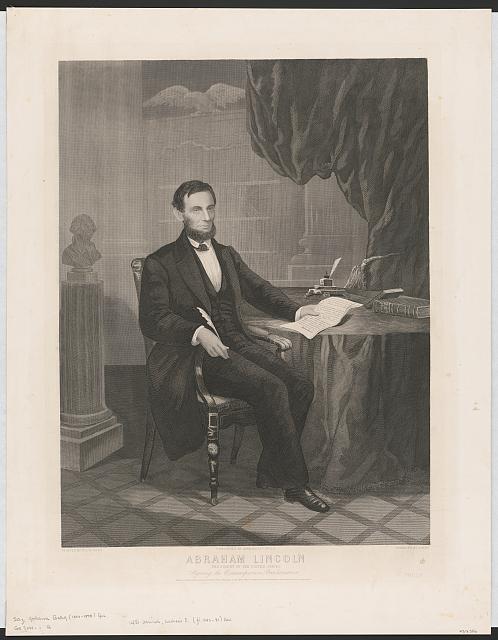
What Is the The Emancipation Proclamation?
The executive order that declared all enslaved people in Confederate states to be free, transforming the Civil War and setting the stage for the abolition of slavery.
On January 1, 1863, President Abraham Lincoln signed one of the most important documents in American history — the Emancipation Proclamation. With his signature, Lincoln declared that all enslaved people living in the Confederate states that were in rebellion against the United States were 'then, thenceforward, and forever free.' Those four words — 'forever free' — echoed across the nation and changed the course of the Civil War and the future of the United States. The Emancipation Proclamation was a wartime executive order, meaning Lincoln issued it under his powers as Commander-in-Chief during a time of war. It was not an act of Congress, and it did not immediately free every enslaved person in America. Its legal reach was limited to the Confederate states still actively fighting against the Union — it named ten states in rebellion, excluding Tennessee (already largely under Union control) and exempting the Union-controlled portions of Virginia and Louisiana. It did not apply to border states like Kentucky, Missouri, Maryland, and Delaware, which had remained in the Union but still permitted slavery. Lincoln knew that a constitutional amendment would eventually be needed to permanently abolish slavery across the entire country — and that amendment, the Thirteenth, would come in 1865. Despite those limits, the Proclamation's impact was enormous and immediate. It transformed the Civil War. Before January 1, 1863, the Union was officially fighting to preserve the nation. After that date, the Union was fighting to end slavery. That changed everything — it changed how soldiers thought about what they were fighting for, how foreign nations saw the conflict, and how enslaved people themselves understood the war. Roughly 180,000 Black men enlisted in the Union Army after the Proclamation opened the door to their service, and their courage helped turn the tide of the war. The original Emancipation Proclamation is held at the National Archives in Washington, D.C. It is five pages long and bears Lincoln's signature at the bottom. When Lincoln signed it, his hand was trembling from shaking hands all morning at a New Year's Day reception. He paused, then said, 'If my name ever goes into history, it will be for this act, and my whole soul is in it.' He was right. The Emancipation Proclamation stands as one of the defining acts of American history — a turning point in the long struggle for freedom, equality, and human dignity.
Historical Context
By 1862, the Civil War had been raging for more than a year, and the Union was struggling. The Confederate states had seceded from the United States in 1860 and 1861, largely to protect their ability to continue the institution of slavery, which powered their agricultural economy. President Lincoln's first priority had been to preserve the Union — to bring the Confederate states back together with the North — and he had been careful not to make the war explicitly about slavery for fear of driving the border states out of the Union. But by the summer of 1862, the political and military situation had shifted. Lincoln began to see emancipation as both a moral necessity and a military strategy. Enslaved people formed the backbone of the Confederate war economy — they built fortifications, grew crops, and freed up white men to fight. Freeing them would weaken the Confederacy directly. Emancipation would also prevent Britain and France — which had already abolished slavery — from recognizing the Confederacy as a legitimate nation, since doing so would align them with a pro-slavery government. Lincoln drafted the preliminary Emancipation Proclamation in the summer of 1862 and, on September 22, issued it publicly — giving Confederate states until January 1, 1863 to return to the Union or face the permanent order. None returned, and on January 1, 1863, Lincoln signed the final Proclamation. For the four million enslaved people in America, the Proclamation was a beacon of hope — even for those it did not immediately reach. Word spread through the South in whispers and prayers. Enslaved people who could escape to Union lines did so in greater numbers than ever before. Those who could not escape still understood that the world had changed, that the United States government had finally declared their freedom a matter of national purpose. The journey to full legal freedom would take two more years and a constitutional amendment — but January 1, 1863 marks the day the federal government committed itself to ending slavery forever.
Key Excerpts
Important passages from this primary source, presented in kid-friendly language.
""All persons held as slaves within any State or designated part of a State, the people whereof shall then be in rebellion against the United States, shall be then, thenceforward, and forever free; and the Executive Government of the United States, including the military and naval authority thereof, will recognize and maintain the freedom of such persons...""
What this means: This is the heart of the Proclamation — its central declaration. Lincoln announced that enslaved people in Confederate states were free, and that the U.S. military would recognize and protect that freedom. The phrase 'forever free' was especially powerful: it was not a temporary wartime measure but a permanent statement about human freedom.
""And I further declare and make known, that such persons of suitable condition, will be received into the armed service of the United States to garrison forts, positions, stations, and other places, and to man vessels of all sorts in said service.""
What this means: This section opened the Union Army and Navy to Black men. It was a dramatic change — before this, Black men were generally not permitted to serve as soldiers. About 180,000 Black soldiers ultimately served in the Union Army after the Proclamation, playing a crucial role in the Union's victory.
""And upon this act, sincerely believed to be an act of justice, warranted by the Constitution, upon military necessity, I invoke the considerate judgment of mankind, and the gracious favor of Almighty God.""
What this means: Lincoln closed the Proclamation by appealing to justice, the Constitution, military need, and God — showing that he saw emancipation as morally right, legally justified, strategically necessary, and spiritually significant all at once. It was a powerful way to end the most important document of his presidency.
"[Representative excerpt, drawn from multiple clauses] "...the people thereof respectively, are this day in rebellion against the United States... And by virtue of the power, and for the purpose aforesaid, I do order and declare that all persons held as slaves within said designated States, and parts of States, are, and henceforward shall be free...""
What this means: Note: This is a representative composite excerpt drawn from separate clauses of the Proclamation to illustrate its structure, not a single continuous verbatim passage. Lincoln carefully identified the specific states in rebellion and formally declared their enslaved residents to be free 'henceforward' — meaning from that day forward. This language made clear that the order was immediate and permanent, not conditional.
""And I hereby enjoin upon the people so declared to be free to abstain from all violence, unless in necessary self-defence; and I recommend to them that, in all cases when allowed, they labor faithfully for reasonable wages.""
What this means: Lincoln urged newly freed people to avoid violence and encouraged them to seek paid work. While the advice about 'reasonable wages' reflected the economic challenges of transition to freedom, the Proclamation's core promise of freedom remained its defining feature.
Vocabulary Spotlight
Key words and phrases from this primary source.
Executive Order
An official directive issued by the President of the United States, carrying the force of law, without requiring a vote from Congress.
Emancipation
The act of freeing someone from slavery, bondage, or other restrictions on their freedom.
Proclamation
A formal, public announcement or declaration made by someone in a position of authority.
Confederacy
The Confederate States of America — the eleven Southern states that seceded from the United States between 1860 and 1861, largely to preserve slavery.
Secede
To formally withdraw from membership in a nation or organization. Southern states seceded from the Union to form the Confederacy.
Thirteenth Amendment
The 1865 amendment to the U.S. Constitution that permanently abolished slavery throughout the entire United States.
Border States
Slave states that remained in the Union during the Civil War — Kentucky, Missouri, Maryland, and Delaware — and were therefore exempt from the Emancipation Proclamation.
Contraband
A term used during the Civil War for enslaved people who escaped to Union lines. Union generals began classifying them as 'contraband of war' — enemy property — allowing them to remain free.
Impact & Legacy
Watch and Learn
Did You Know?
Lincoln's Trembling Hand
When Lincoln sat down to sign the Emancipation Proclamation on January 1, 1863, his hand was shaking from hours of shaking hands at a White House New Year's reception. He paused and set down the pen, worried that a shaky signature would make history doubt his commitment. Then he said, 'If my name ever goes into history, it will be for this act, and my whole soul is in it.' He signed firmly.
It Was a War Strategy — and a Moral Stand
Lincoln designed the Proclamation to weaken the Confederacy militarily — by freeing the enslaved workers who powered the Confederate economy and opening the Union Army to Black soldiers. But it was also a profound moral declaration that transformed the meaning of the war. It was both a military weapon and a statement of principle at the same time.
The Document Is Five Pages Long
The original Emancipation Proclamation is five pages long and is preserved at the National Archives in Washington, D.C. The text was engrossed (formally written out) by a State Department clerk, with Lincoln adding his signature at the bottom. In 1864, Lincoln signed printed lithographic copies of the Proclamation for charity auctions benefiting the U.S. Sanitary Commission — not because he feared the original would be lost, but to raise funds for soldiers' medical care.
Word Spread Through the South
Even though the Proclamation could not be officially enforced in Confederate territory, news of it spread through the South in whispers, prayers, and secret meetings. Many enslaved people understood that the war had officially become a war for their freedom — and they found ways to act on that knowledge.
Juneteenth Marks the Real Announcement
Although the Proclamation was signed on January 1, 1863, enslaved people in Texas did not learn of their freedom until June 19, 1865 — more than two years later — when Union soldiers arrived with the news. That day, now known as Juneteenth, is celebrated as a federal holiday marking the true end of slavery in the United States.
Related Events
Landmark events connected to this primary source.
January 1, 1863
Emancipation Proclamation
President Abraham Lincoln issued an executive order declaring enslaved people in Confederate states to be forever free, transforming the Civil War into a fight for human freedom.
December 6, 1865
Ratification of the 13th Amendment
The 13th Amendment to the U.S. Constitution was ratified, permanently abolishing slavery throughout the United States and ending centuries of forced labor.
Related Primary Sources
Other important documents and speeches in Black history.
December 6, 1865 · Constitutional Amendment
13th Amendment to the Constitution
The constitutional amendment that permanently abolished slavery in the United States, declaring that 'neither slavery nor involuntary servitude' shall exist within the nation.
July 9, 1868 · Constitutional Amendment
14th Amendment to the Constitution
The amendment that granted citizenship to all persons born in the United States and guaranteed equal protection under the law, becoming the foundation for civil rights litigation.
Want to teach this primary source? We've done the work for you.
The Emancipation Proclamation Complete Teaching Bundle
Lesson Plan
Comprehensive lesson plan covering the document's background, key passages, author's purpose, and historical impact.
Student Workbook
Interactive workbook with source analysis exercises, reading comprehension, vocabulary in context, and compare & contrast activities.
Flashcard Set
40 cards covering vocabulary, key excerpts, historical context, author's purpose, and review challenges.
Instant digital download · Printable PDF · Grades 4–8 · Verified accurate
Here's a peek inside...
📖 Lesson Plan
📝 Student Workbook
Read the excerpt from The Emancipation Proclamation and answer the questions below.
🃏 Flashcard Set - Click to Flip!
Click the card to flip it
Get a Free Sample
Try before you buy! Enter your email to receive a free sampler with flashcards, activities, and a lesson plan excerpt. No spam, just history.