Ratification of the 13th Amendment
The 13th Amendment to the U.S. Constitution was ratified, permanently abolishing slavery throughout the United States and ending centuries of forced labor.
View Teaching Bundle →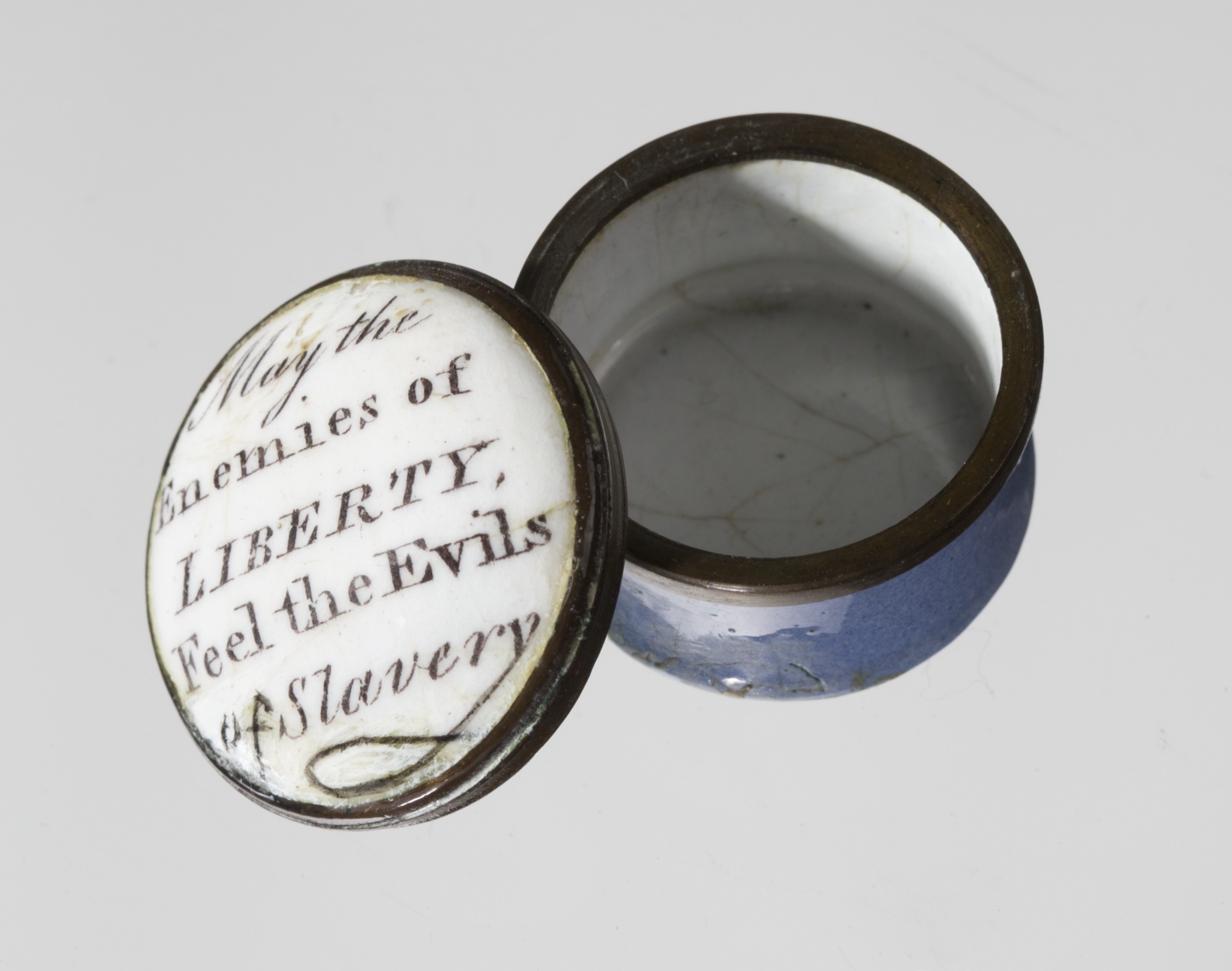
What Was the Ratification of the 13th Amendment?
The 13th Amendment to the U.S. Constitution was ratified, permanently abolishing slavery throughout the United States and ending centuries of forced labor.
On December 6, 1865, the United States took a step that changed the nation forever. The 13th Amendment to the Constitution was officially ratified, permanently abolishing slavery throughout the entire country. The amendment's powerful words declared: "Neither slavery nor involuntary servitude, except as a punishment for crime whereof the party shall have been duly convicted, shall exist within the United States, or any place subject to their jurisdiction." This was the moment that slavery was truly and completely ended in America — not just in Confederate states, as the Emancipation Proclamation had declared, but everywhere, including the border states of Missouri, Kentucky, Maryland, and Delaware. The journey to this moment was long and hard-fought. Congress passed the amendment on January 31, 1865, after a dramatic vote in the House of Representatives. Then it had to be ratified by three-fourths of the states — 27 out of 36 states at the time. State by state, the votes came in. On December 6, 1865, Georgia became the 27th state to ratify, and the amendment became part of the Constitution. Abolitionists like Frederick Douglass and Sojourner Truth, who had spent their lives fighting to end slavery, celebrated this historic victory. The 13th Amendment was the first of the three Reconstruction Amendments. The 14th Amendment (1868) guaranteed equal protection under the law, and the 15th Amendment (1870) protected the right to vote regardless of race. Together, these three amendments transformed the Constitution and moved America closer to its founding promise that all people are created equal. The ratification of the 13th Amendment stands as one of the most important achievements in the long struggle for justice and human freedom.
Timeline
Watch and Learn
Did You Know?
The House Vote Was Incredibly Close
When the House of Representatives voted on the 13th Amendment on January 31, 1865, it passed with just two votes more than the required two-thirds majority. Representatives and spectators erupted in cheers when the result was announced, and cannons were fired in celebration outside.
Mississippi Did Not Officially Ratify Until 2013
Mississippi was the last state to officially ratify the 13th Amendment. It voted to ratify in 1995, but the paperwork was not filed with the federal government until February 7, 2013 — nearly 148 years after the amendment was adopted.
It Was the First Amendment in 60 Years
The 13th Amendment was the first change to the Constitution since 1804. No amendments had been added for over 60 years, making this a truly historic moment in American law.
President Lincoln Signed It Even Though He Did Not Have To
The Constitution does not require the president to sign an amendment for it to take effect. But President Lincoln was so proud of the 13th Amendment that he signed it on February 1, 1865, the day after the House passed it. He wanted to show his personal support.
It Freed About 4 Million People
By the time the 13th Amendment was ratified, approximately 4 million people had been held in slavery in the United States. The amendment guaranteed that slavery would never return anywhere in the nation.
Key Figures Involved
The people who played a role in this event.
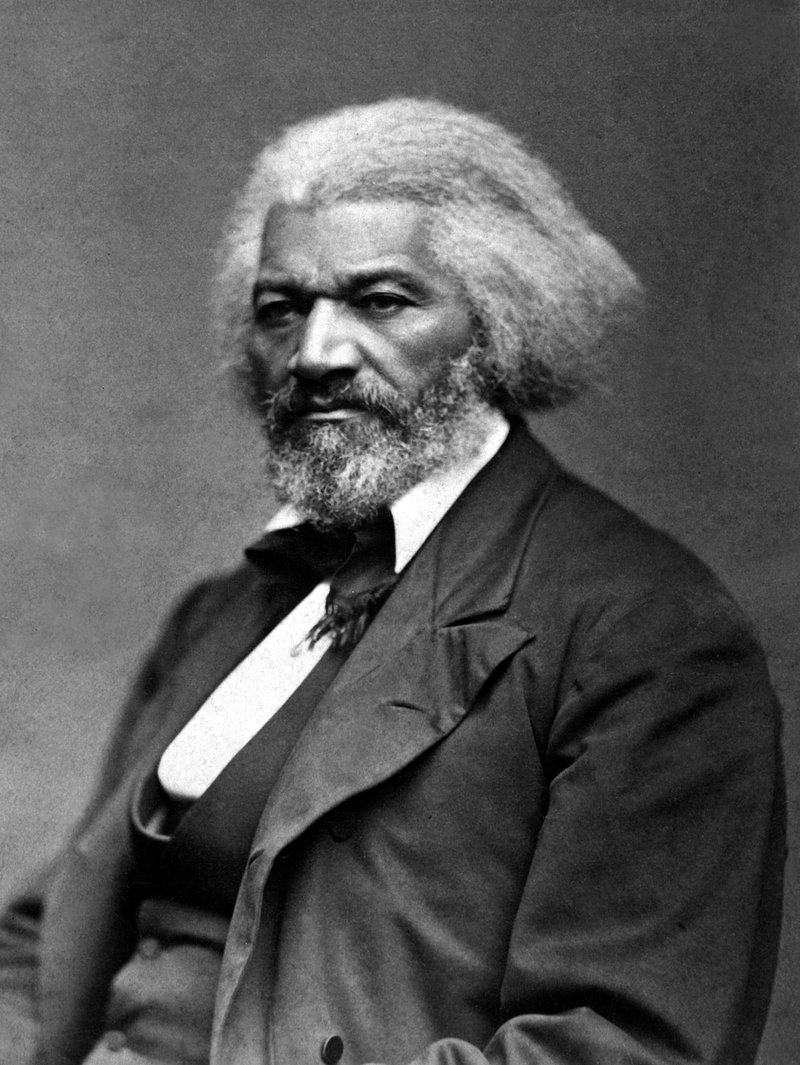
Frederick Douglass
February 1818–1895
Escaped slavery to become one of the most powerful voices against slavery in American history through his writing and speeches.
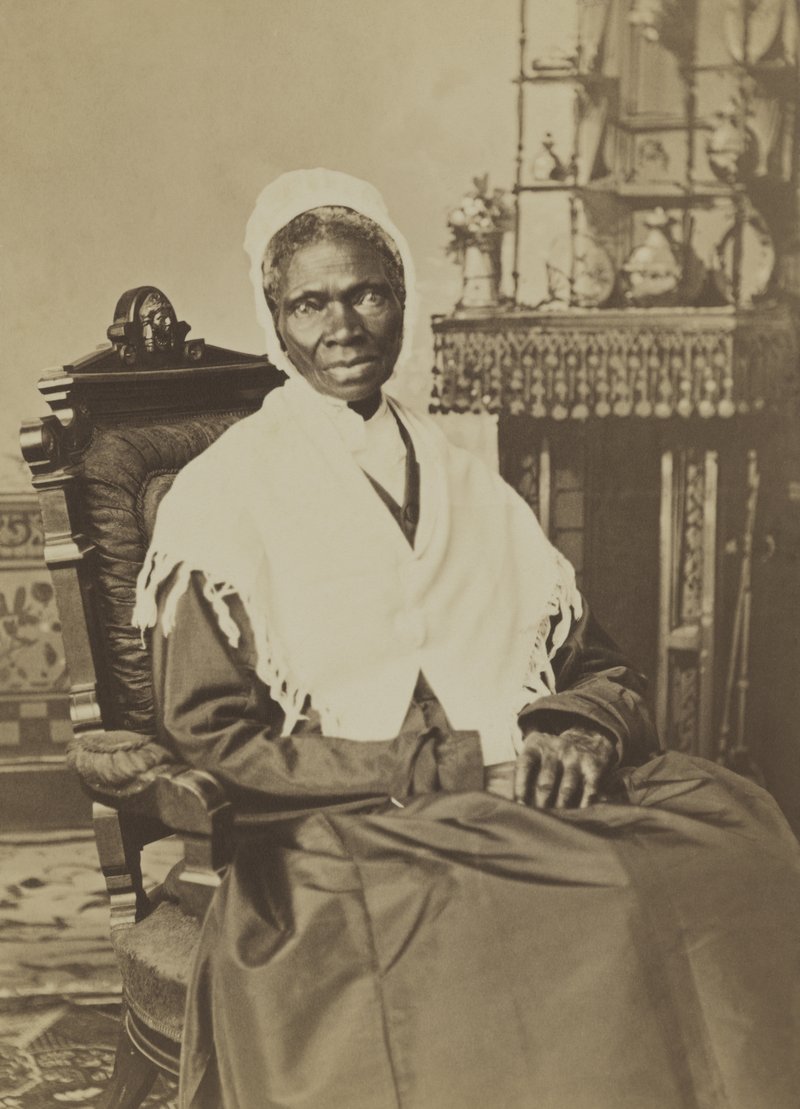
Sojourner Truth
1797–1883
Formerly enslaved woman who became one of the most powerful voices for abolition and women's rights in 19th-century America.
Related Events
Other landmark events connected to this moment in history.
January 1, 1863
Emancipation Proclamation
President Abraham Lincoln issued an executive order declaring enslaved people in Confederate states to be forever free, transforming the Civil War into a fight for human freedom.
June 19, 1865
Juneteenth
Union soldiers arrived in Galveston, Texas, announcing that all enslaved people were free - more than two years after the Emancipation Proclamation was signed.
Want to teach this event? We've done the work for you.
Ratification of the 13th Amendment Complete Teaching Bundle
Lesson Plan
Comprehensive lesson plan covering the full event with learning objectives, activities, and assessment.
Student Workbook
Interactive workbook with reading passages, timeline activities, primary source analysis, and a quiz.
Flashcard Set
40 cards covering vocabulary, key facts, people, causes, effects, and review challenges.
Instant digital download · Printable PDF · Grades 4–8 · Verified accurate
Here's a peek inside...
📖 Lesson Plan
📝 Student Workbook
Read the passage about Ratification of the 13th Amendment and answer the questions below.
🃏 Flashcard Set - Click to Flip!
Click the card to flip it
Get a Free Sample
Try before you buy! Enter your email to receive a free sampler with flashcards, activities, and a lesson plan excerpt. No spam, just history.