The Jim Crow Era
The era of legalized racial segregation in America, from the end of Reconstruction to the Brown v. Board of Education ruling that declared separate schools unconstitutional.
View Teaching Bundle →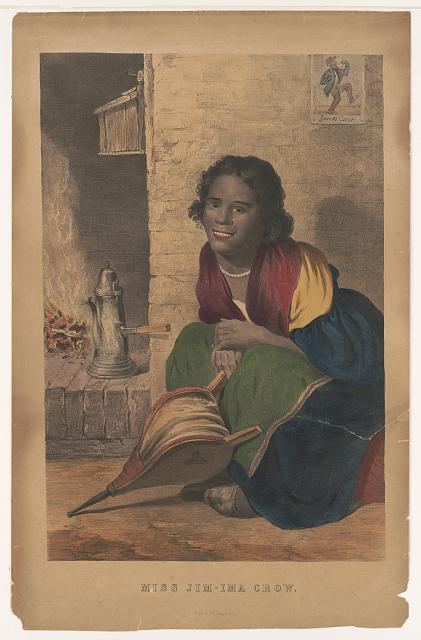
What Was the The Jim Crow Era?
The era of legalized racial segregation in America, from the end of Reconstruction to the Brown v. Board of Education ruling that declared separate schools unconstitutional.
After the Civil War ended slavery, many people hoped that Black Americans would finally be treated as equals. Instead, Southern states passed laws that forced Black and white people apart in almost every part of life. These laws were called "Jim Crow" laws, named after a racist character from a minstrel show. From 1877 to 1954, Jim Crow laws made it illegal for Black people to sit in the same train cars, eat at the same restaurants, drink from the same water fountains, or attend the same schools as white people. The Supreme Court allowed this in 1896 with the Plessy v. Ferguson ruling, which said "separate but equal" was legal — even though things were never truly equal. Black Americans also lost their right to vote through unfair rules like poll taxes and literacy tests. But Black communities never stopped fighting back. They built their own schools, businesses, churches, and organizations, and worked tirelessly for the day when these unjust laws would finally be overturned.
Key Events
Did You Know?
Not Just the South
Jim Crow wasn't only in Southern states. Northern and Western cities also separated Black and white people through housing rules, school boundaries, and social customs — just without official laws.
Boycotts Before Rosa Parks
Black citizens boycotted segregated streetcars in over 25 Southern cities between 1900 and 1906 — more than fifty years before the famous Montgomery Bus Boycott.
The Name "Jim Crow"
"Jim Crow" came from a racist character created by a white entertainer named Thomas "Daddy" Rice in the 1830s. By the 1880s, the name was used for all segregation laws.
Voting Nearly Disappeared
By 1940, only about 3% of eligible Black adults in the South were registered to vote. States used poll taxes, impossible literacy tests, and threats of violence to keep Black citizens from voting.
Black Wall Street
Before the 1921 Tulsa Race Massacre, the Greenwood District in Tulsa, Oklahoma, was so prosperous it was nicknamed "Black Wall Street," with its own banks, hotels, and movie theaters.
Historical Images
Primary sources from the The Jim Crow Era era
Miss Jim-Ima Crow
Source: Library of Congress No known restrictions (LOC)
![[Pallbearers with casket walking in front of sign reading "here lies Jim Crow" during the NAACP Detroit branch "Parade for Victory"]](/images/eras/jim-crow-era/jim-crow-era-02.jpg)
[Pallbearers with casket walking in front of sign reading "here lies Jim Crow" during the NAACP Detroit branch "Parade for Victory"]
Source: Library of Congress No known restrictions (LOC)
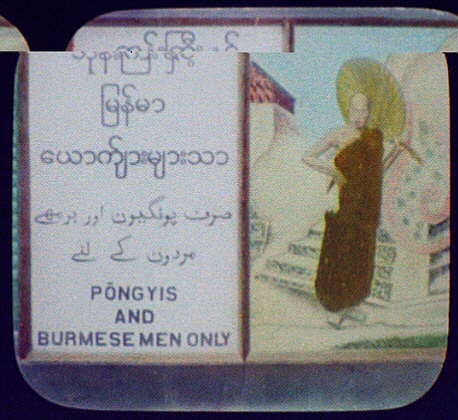
Illustrated sign on railway coach - "Pongyis and Burmese men only"
Source: Library of Congress No known restrictions (LOC)
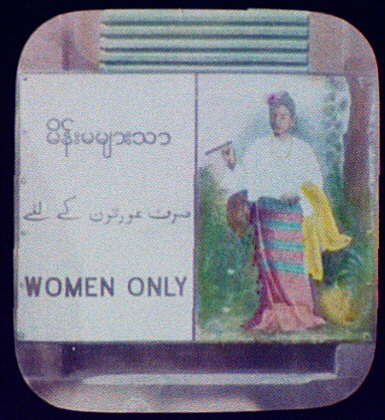
Illustrated sign on railway coach - "Women only"
Source: Library of Congress No known restrictions (LOC)
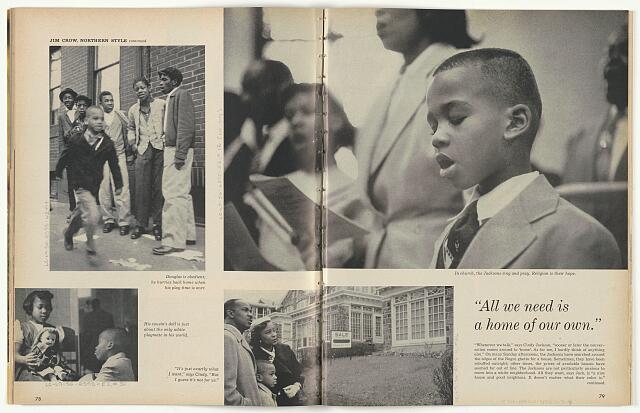
Jim Crow, Northern style
Source: Library of Congress No known restrictions (LOC)
Key Figures of The Jim Crow Era
The people who shaped this era.
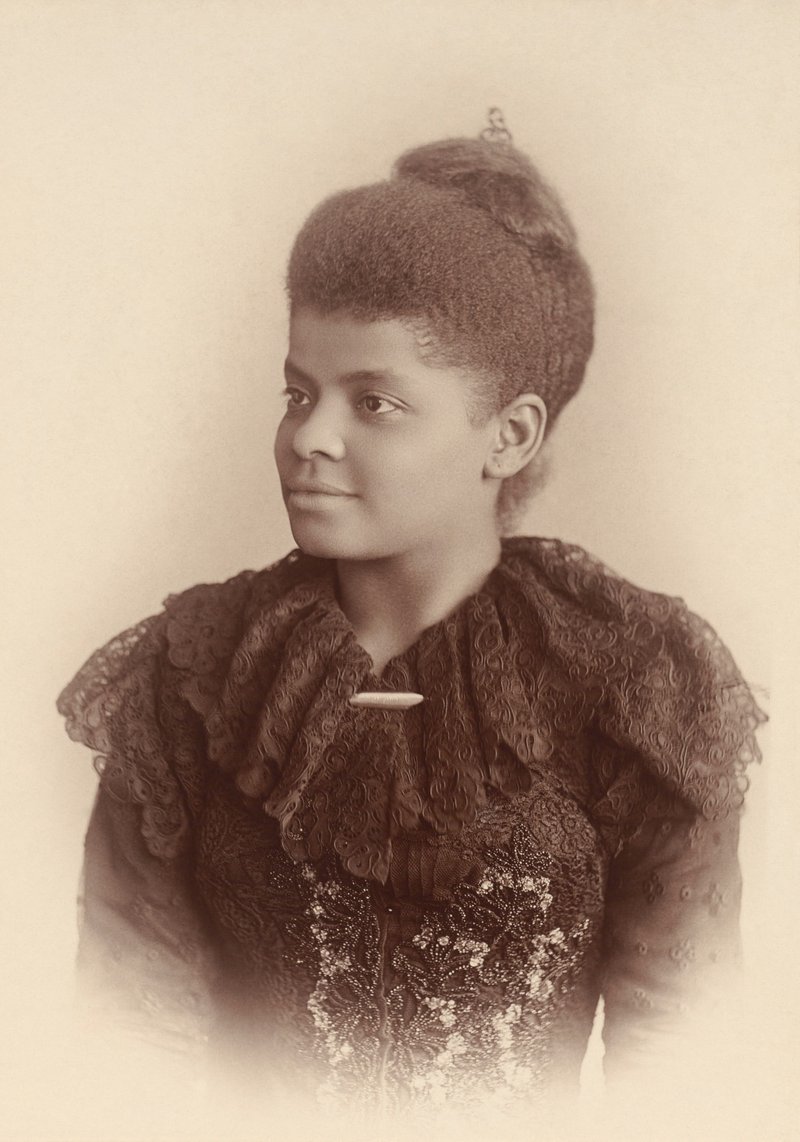
Ida B. Wells
1862–1931
Fearless journalist and activist who led a national crusade against lynching and co-founded the NAACP.
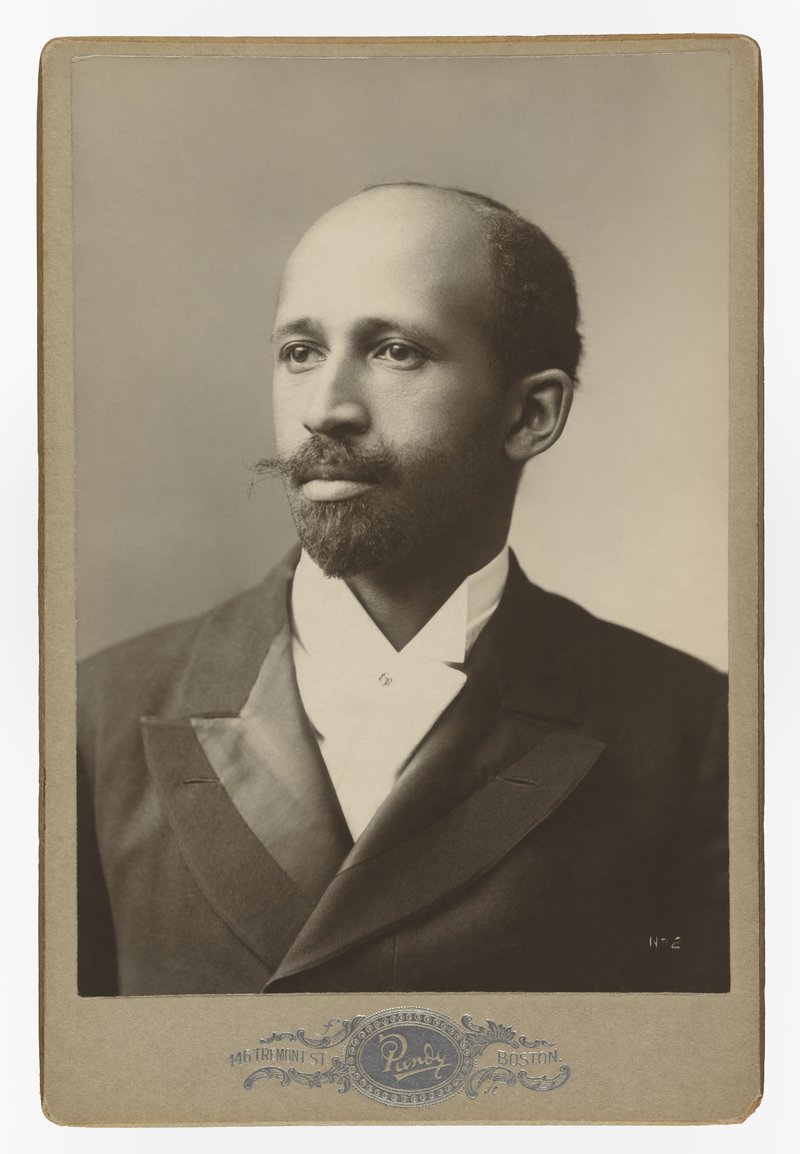
W.E.B. Du Bois
1868–1963
Brilliant scholar and co-founder of the NAACP who fought for full civil rights and equality for Black Americans through education and activism.
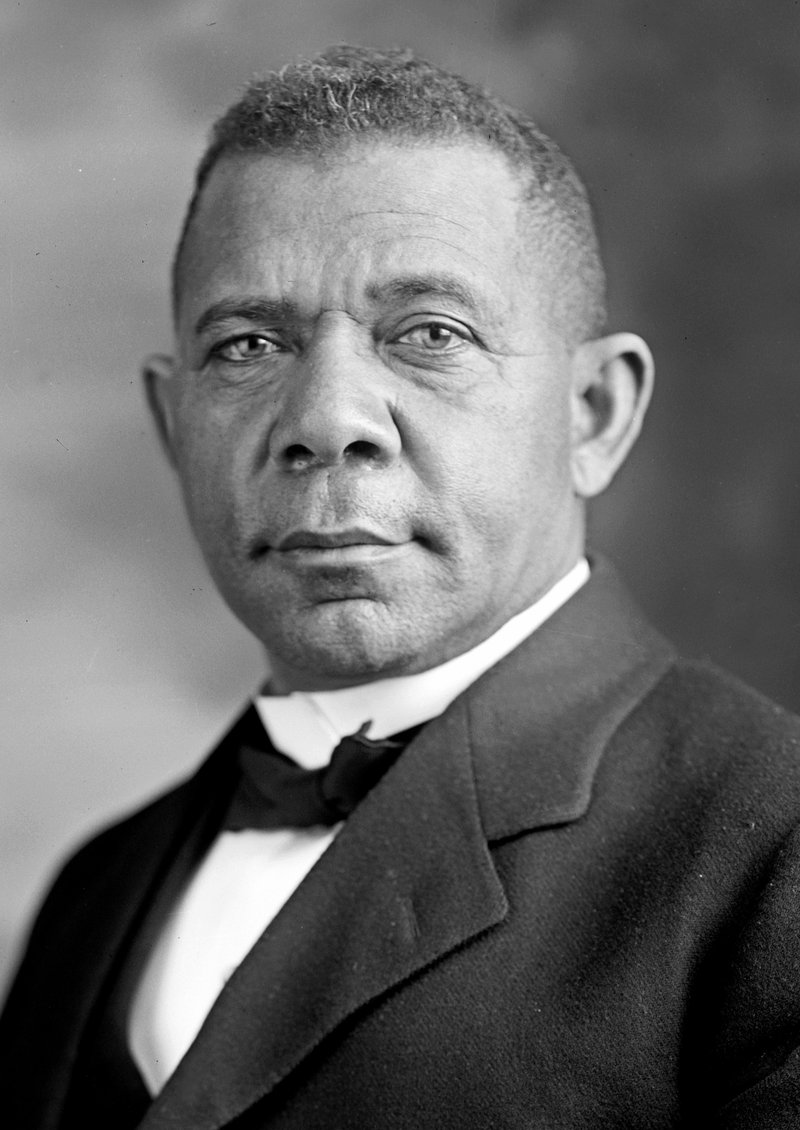
Booker T. Washington
1856–1915
Born into slavery, he became the most influential Black educator of his era and founded the Tuskegee Institute.
Want to teach this era? We've done the work for you.
The Jim Crow Era Complete Teaching Bundle
Lesson Plan
Comprehensive lesson plan covering the full era with learning objectives, activities, and assessment.
Student Workbook
Interactive workbook with reading passages, timeline activities, primary source analysis, and a quiz.
Flashcard Set
40 cards covering vocabulary, key facts, events, important people, and review challenges.
Instant digital download · Printable PDF · Grades 4–8 · Verified accurate
Here's a peek inside...
📖 Lesson Plan
📝 Student Workbook
Read the passage about The Jim Crow Era and answer the questions below.
🃏 Flashcard Set - Click to Flip!
Click the card to flip it
Get a Free Sample
Try before you buy! Enter your email to receive a free sampler with flashcards, activities, and a lesson plan excerpt. No spam, just history.
Go Deeper: Individual Figure Bundles
Each figure from this era has their own complete teaching bundle.
Ida B. Wells
Complete teaching bundle: lesson plan, workbook, and 40-card flashcard set.
View Bundle →W.E.B. Du Bois
Complete teaching bundle: lesson plan, workbook, and 40-card flashcard set.
View Bundle →Booker T. Washington
Complete teaching bundle: lesson plan, workbook, and 40-card flashcard set.
View Bundle →