Southern Christian Leadership Conference
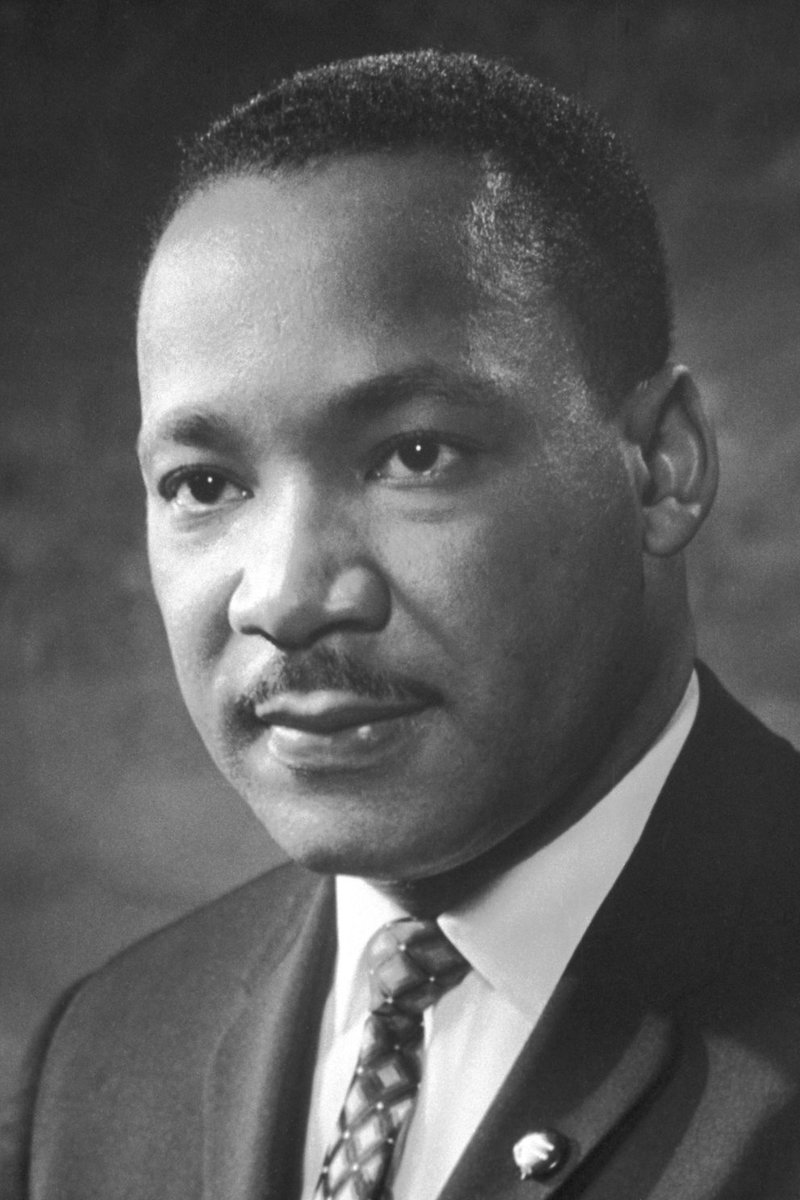
Led by Martin Luther King Jr., the SCLC coordinated nonviolent protests across the South, including the Birmingham Campaign and the March on Washington.
View Teaching Bundle →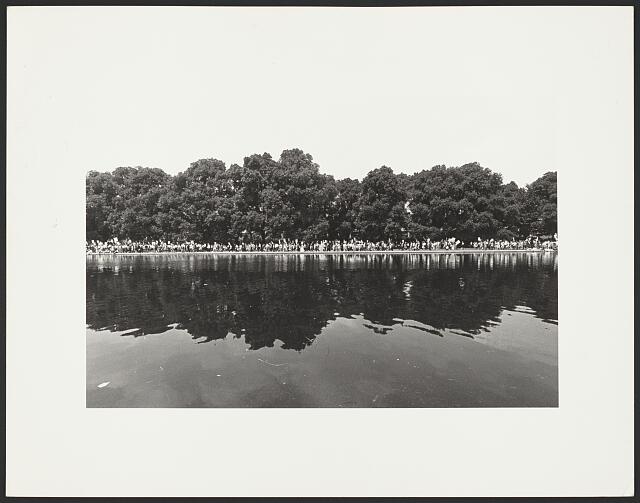
What Was the Southern Christian Leadership Conference?
Led by Martin Luther King Jr., the SCLC coordinated nonviolent protests across the South, including the Birmingham Campaign and the March on Washington.
The Southern Christian Leadership Conference, founded in January 1957 in the wake of the Montgomery Bus Boycott, became the organizational backbone of the American civil rights movement. Led from its founding by Dr. Martin Luther King Jr., the SCLC was rooted in the tradition and institutional power of the Black church — using congregations, ministers, and the moral authority of Christian nonviolence to organize communities across the South and beyond. The SCLC’s campaigns were strategic and carefully planned. The Birmingham Campaign of 1963 — known internally as Project C for “Confrontation” — brought thousands of protesters into the streets of one of the most segregated cities in America. Public Safety Commissioner Bull Connor’s decision to turn fire hoses and police dogs on peaceful demonstrators, many of them children, was broadcast into living rooms across the country and around the world. The images horrified the nation and generated irresistible pressure on President Kennedy to introduce landmark civil rights legislation. The SCLC collaborated with SNCC on the Selma to Montgomery marches in 1965, which resulted in the nationally televised attack on marchers at the Edmund Pettus Bridge — known as Bloody Sunday — and ultimately in the Voting Rights Act of 1965. After Dr. King’s assassination in 1968, Ralph Abernathy led the organization and mounted the Poor People’s Campaign in Washington, D.C. The SCLC remains active today, continuing to advocate for economic justice and civil rights.
Founding Story
The Montgomery Bus Boycott, which lasted 381 days from December 1955 to December 1956, demonstrated that organized, disciplined nonviolent action could successfully challenge segregation in the Deep South. But it also revealed a problem: there was no coordinating organization to connect similar movements across the region. In January 1957, sixty Black ministers and civil rights leaders gathered in Atlanta, Georgia, to address this gap. On January 10–11, 1957, at Ebenezer Baptist Church in Atlanta, they founded the Southern Christian Leadership Conference. The founders understood that the Black church was the most powerful institution in Black Southern life — financially independent, community-rooted, and led by men who had the trust of their congregations. By centering the movement in the church, the SCLC could draw on networks of ministers and congregations across the South that no outside organization could replicate. Dr. Martin Luther King Jr., who had emerged as the most visible leader of the Montgomery boycott, was chosen as the SCLC’s first president. Bayard Rustin, Ella Baker, and Fred Shuttlesworth were among the key figures who helped build the organization in its early years. Ella Baker served as the first executive director and was a tireless organizer, though she later grew critical of the SCLC’s top-down, minister-centered structure.
Major Achievements
Watch and Learn
Did You Know?
Project C Stood for 'Confrontation'
The SCLC's Birmingham Campaign was given the internal code name 'Project C' — where 'C' stood for 'Confrontation.' The campaign was strategically designed to provoke Bull Connor's brutal response so that the images of peaceful protesters facing fire hoses and dogs would shock the nation into demanding change.
Dr. King Was Just 26 When He Led the Boycott
When Dr. Martin Luther King Jr. became the public face of the Montgomery Bus Boycott in 1955, he was only 26 years old and had just become pastor of Dexter Avenue Baptist Church. He had been in Montgomery less than a year when he was chosen to lead the boycott.
The Letter from Birmingham Jail Was Written on Scraps of Paper
One of the most important documents of the civil rights era — Dr. King's Letter from Birmingham Jail — was written in April 1963 while King was imprisoned. He wrote it in the margins of a newspaper and on scraps of paper that were smuggled out of jail.
President Johnson Said 'We Shall Overcome' to Congress
Just eight days after Bloody Sunday, President Lyndon B. Johnson addressed Congress in a nationally televised speech calling for a voting rights law. He closed by adopting the civil rights movement's anthem — saying 'We shall overcome' — stunning everyone watching.
Ella Baker Left the SCLC to Help Create SNCC
Ella Baker served as the SCLC's first executive director but grew frustrated with the organization's top-down, minister-centered leadership. She helped organize the 1960 conference at Shaw University that founded SNCC — believing that youth-led, grassroots organizing was the future of the movement.
Key Leaders & Figures
The people who shaped this organization and its mission.
Key Events
Landmark events connected to this organization.
August 28, 1963
March on Washington
Over 250,000 people gathered at the Lincoln Memorial, where Martin Luther King Jr. delivered his iconic 'I Have a Dream' speech, demanding civil rights and economic justice.
March 7 – March 25, 1965
Selma to Montgomery Marches
Three marches from Selma to Montgomery, Alabama, demanded voting rights for Black Americans. The first march, known as 'Bloody Sunday,' was met with brutal police violence.
Related Organizations
Other organizations and movements connected to this story.
1909–Present
NAACP
The National Association for the Advancement of Colored People, founded to fight racial inequality through legal action, education, and advocacy, becoming the most influential civil rights organization in American history.
1942–Present
Congress of Racial Equality
A civil rights organization that pioneered the use of nonviolent direct action in America, organizing the Freedom Rides and sit-ins that challenged segregation across the South.
1960–1970s
Student Nonviolent Coordinating Committee
A youth-led civil rights organization that organized sit-ins, voter registration drives, and Freedom Rides, giving young people a powerful voice in the fight for equality.
Want to teach this organization? We've done the work for you.
Southern Christian Leadership Conference Complete Teaching Bundle
Lesson Plan
Comprehensive lesson plan covering the organization's founding, mission, key leaders, and lasting impact.
Student Workbook
Interactive workbook with reading passages, timeline activities, leadership analysis, and a quiz.
Flashcard Set
40 cards covering vocabulary, key facts, leaders, achievements, and review challenges.
Instant digital download · Printable PDF · Grades 4–8 · Verified accurate
Here's a peek inside...
📖 Lesson Plan
📝 Student Workbook
Read the passage about the Southern Christian Leadership Conference and answer the questions below.
🃏 Flashcard Set - Click to Flip!
Click the card to flip it
Get a Free Sample
Try before you buy! Enter your email to receive a free sampler with flashcards, activities, and a lesson plan excerpt. No spam, just history.