Historical Figures
Explore the people who shaped history. Each figure comes with a complete teaching bundle.
Showing 20 of 20 figures
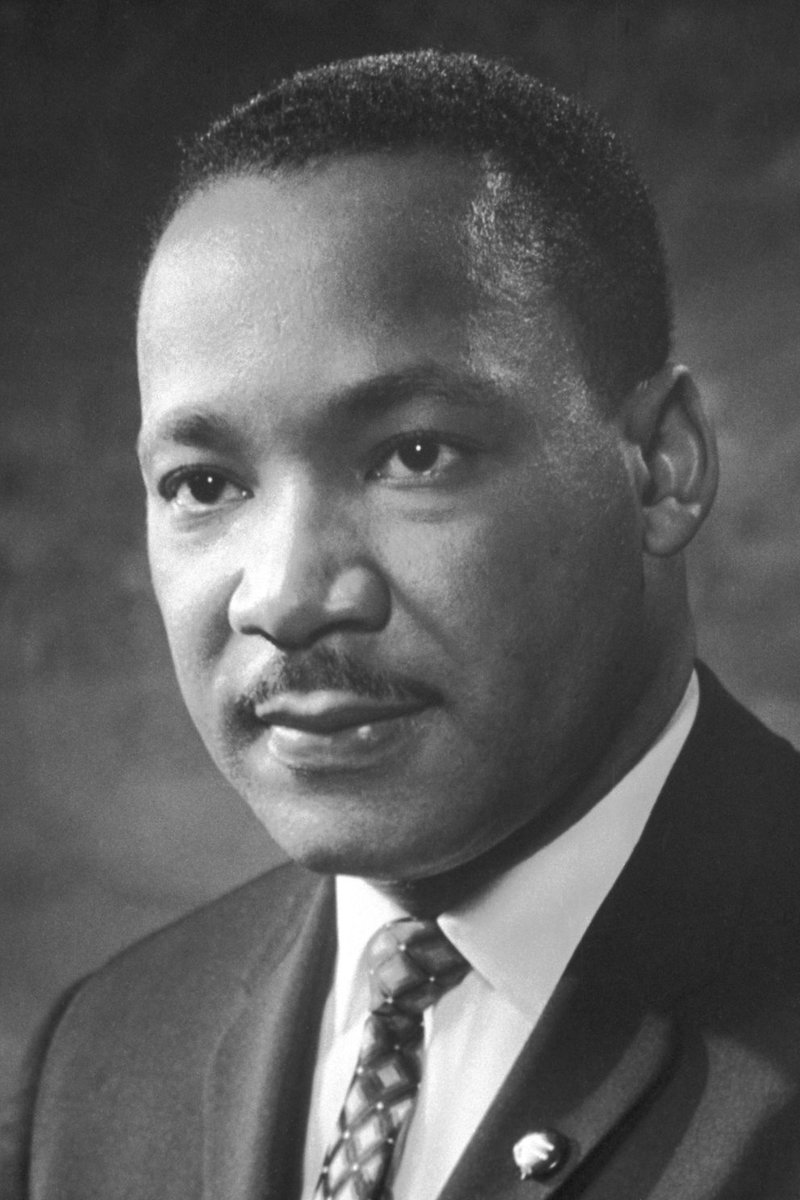
Martin Luther King Jr.
1929–1968
Civil Rights MovementBaptist minister and civil rights leader who led the movement for racial equality through nonviolent protest.
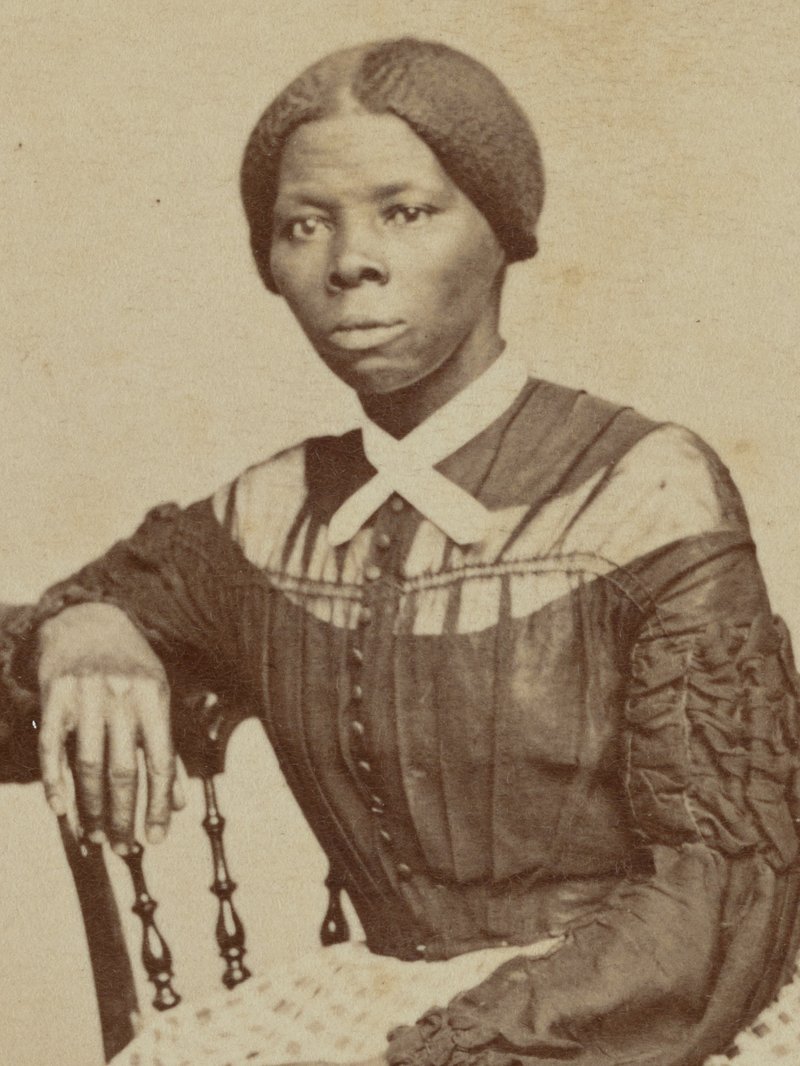
Harriet Tubman
March 1822–1913
Slavery And AbolitionismEscaped enslaved woman who became the most famous conductor on the Underground Railroad, leading over 70 people to freedom.
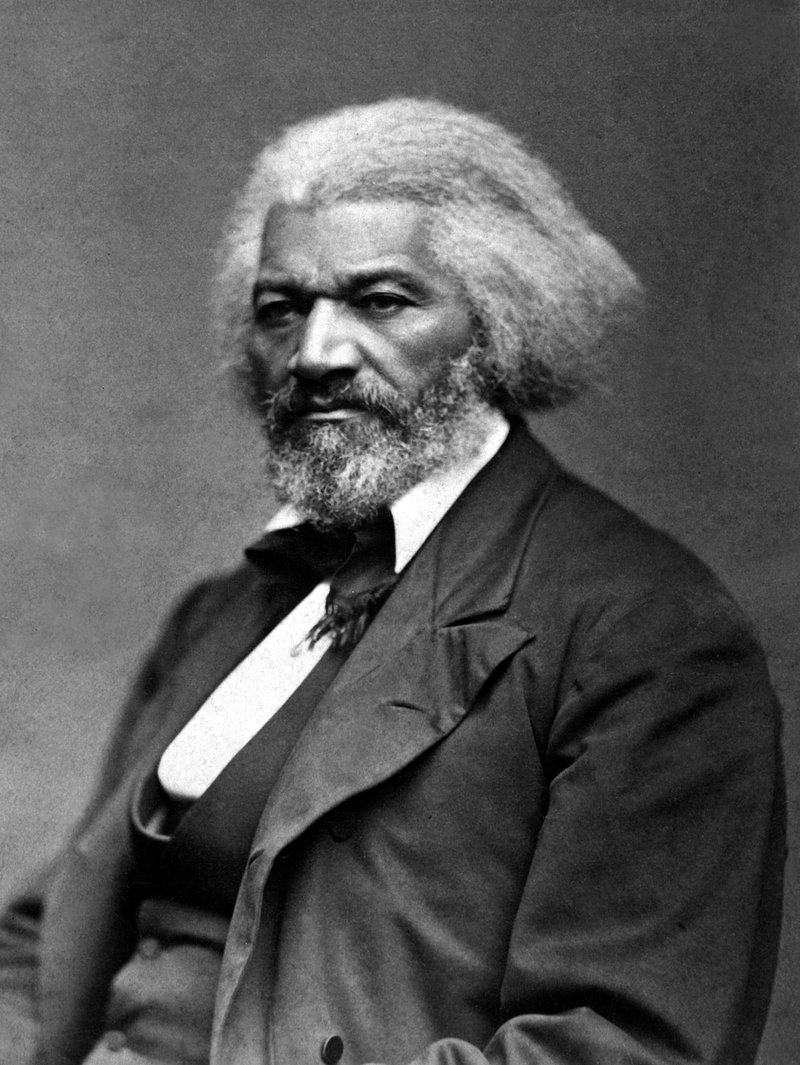
Frederick Douglass
February 1818–1895
Slavery And AbolitionismEscaped slavery to become one of the most powerful voices against slavery in American history through his writing and speeches.
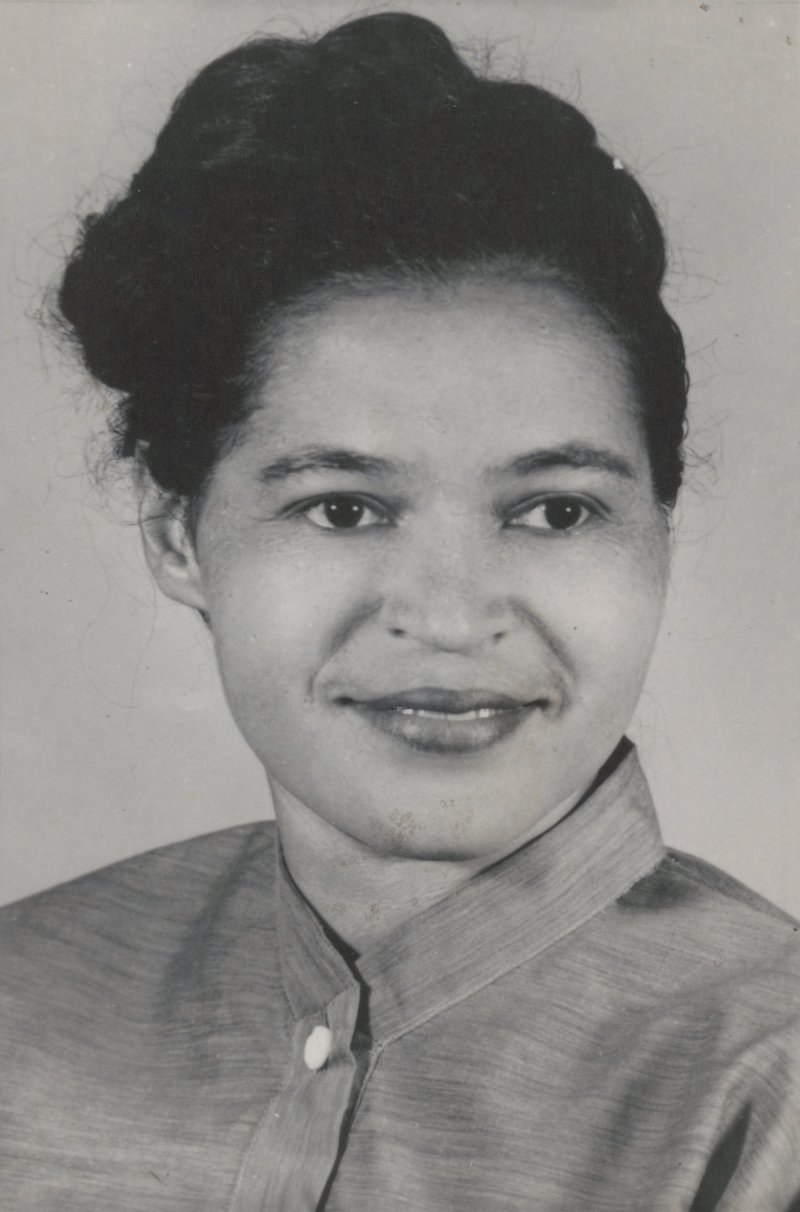
Rosa Parks
1913–2005
Civil Rights MovementCivil rights activist whose refusal to give up her bus seat sparked the Montgomery Bus Boycott and helped end segregation.
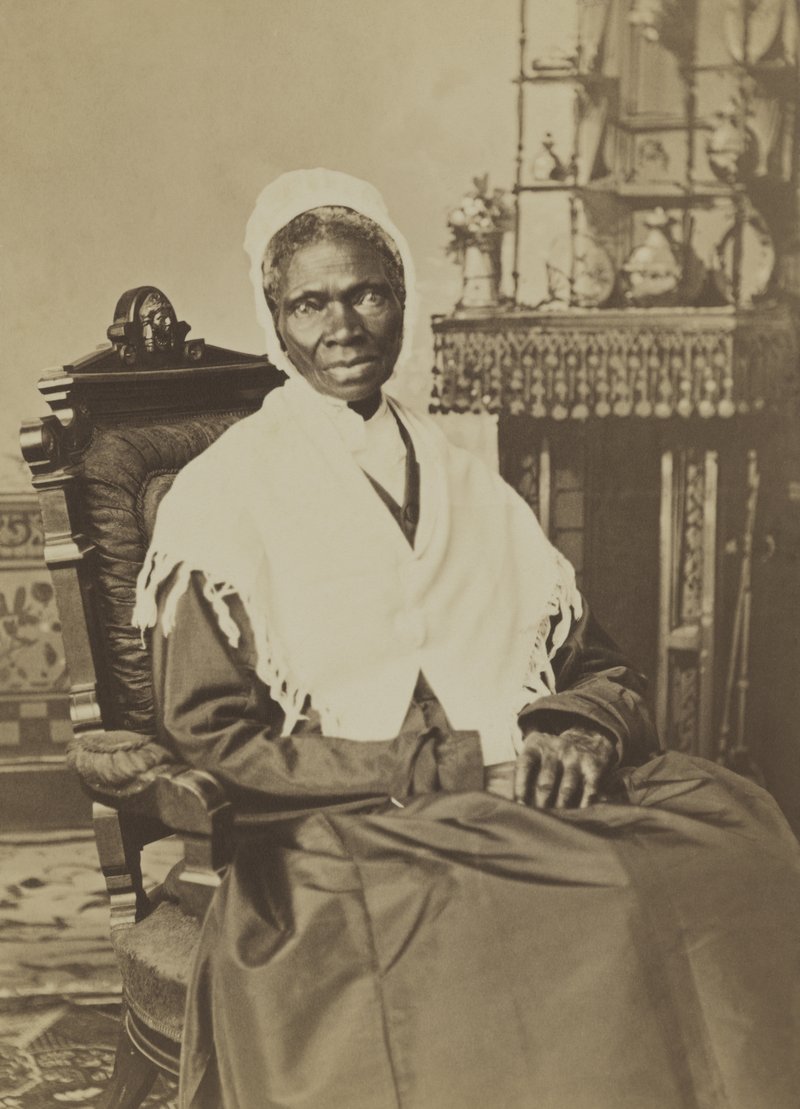
Sojourner Truth
1797–1883
Slavery And AbolitionismFormerly enslaved woman who became one of the most powerful voices for abolition and women's rights in 19th-century America.
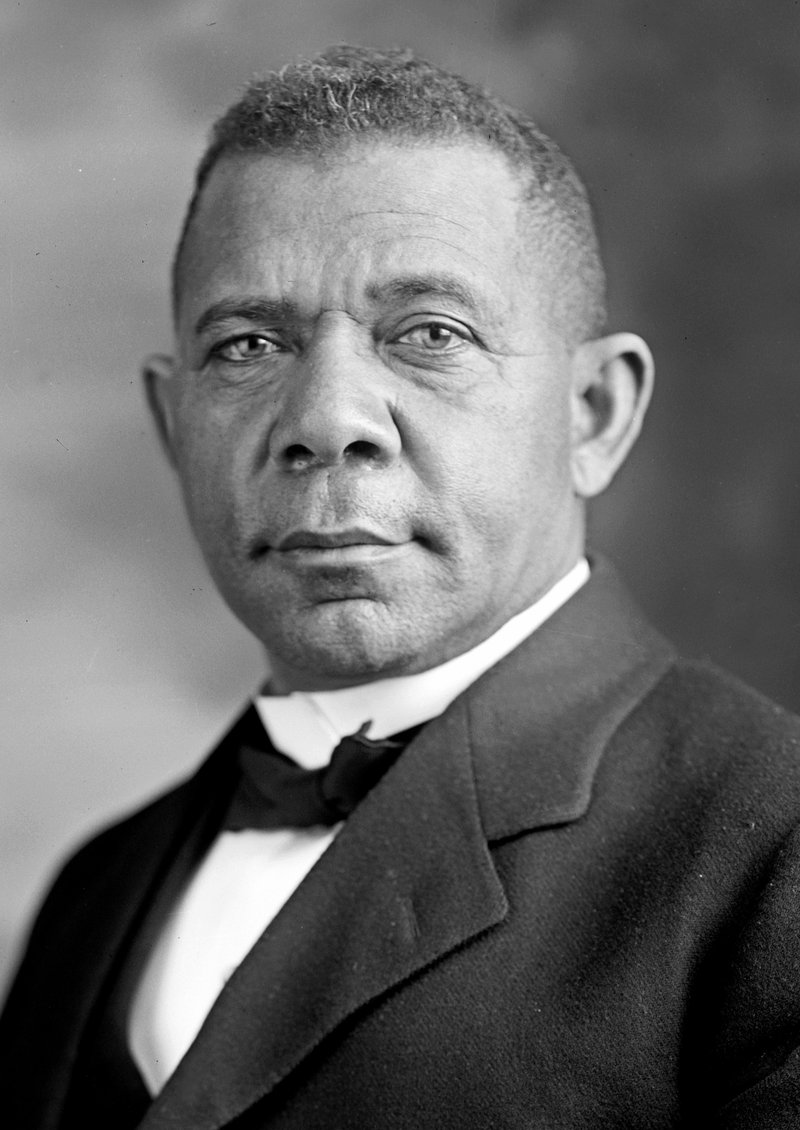
Booker T. Washington
1856–1915
Reconstruction EraBorn into slavery, he became the most influential Black educator of his era and founded the Tuskegee Institute.
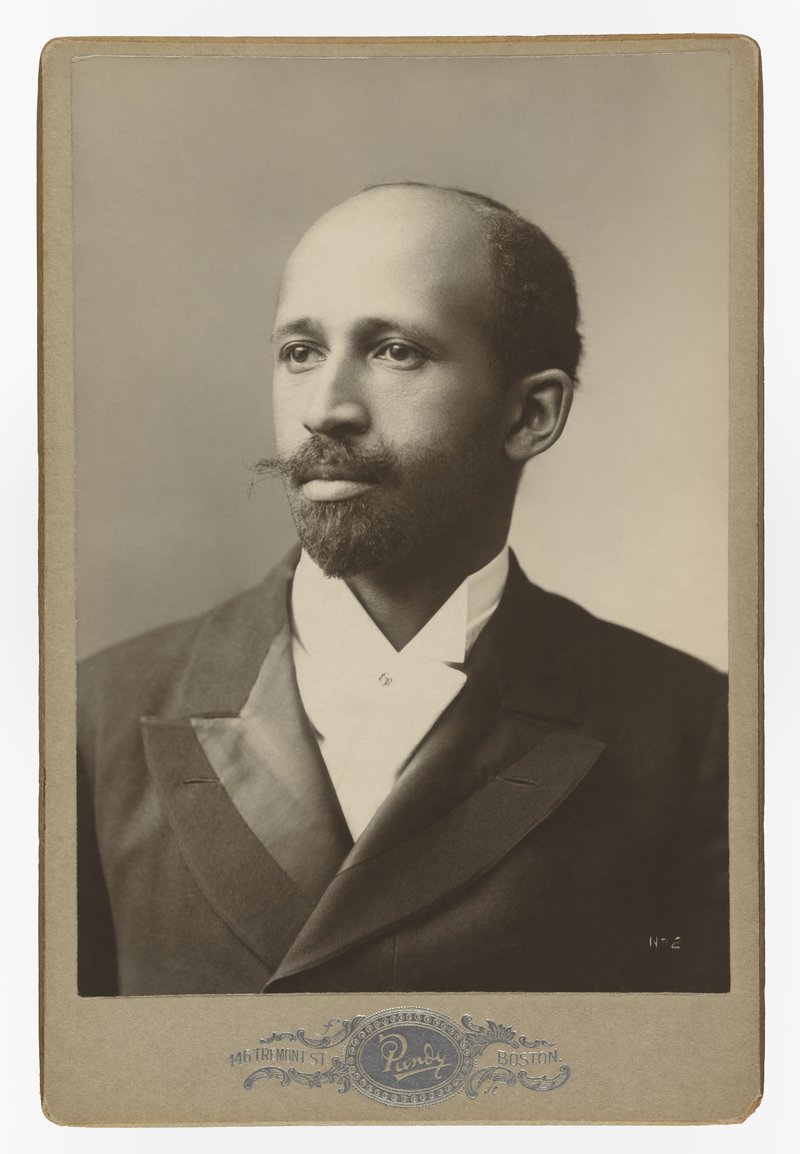
W.E.B. Du Bois
1868–1963
Reconstruction EraBrilliant scholar and co-founder of the NAACP who fought for full civil rights and equality for Black Americans through education and activism.
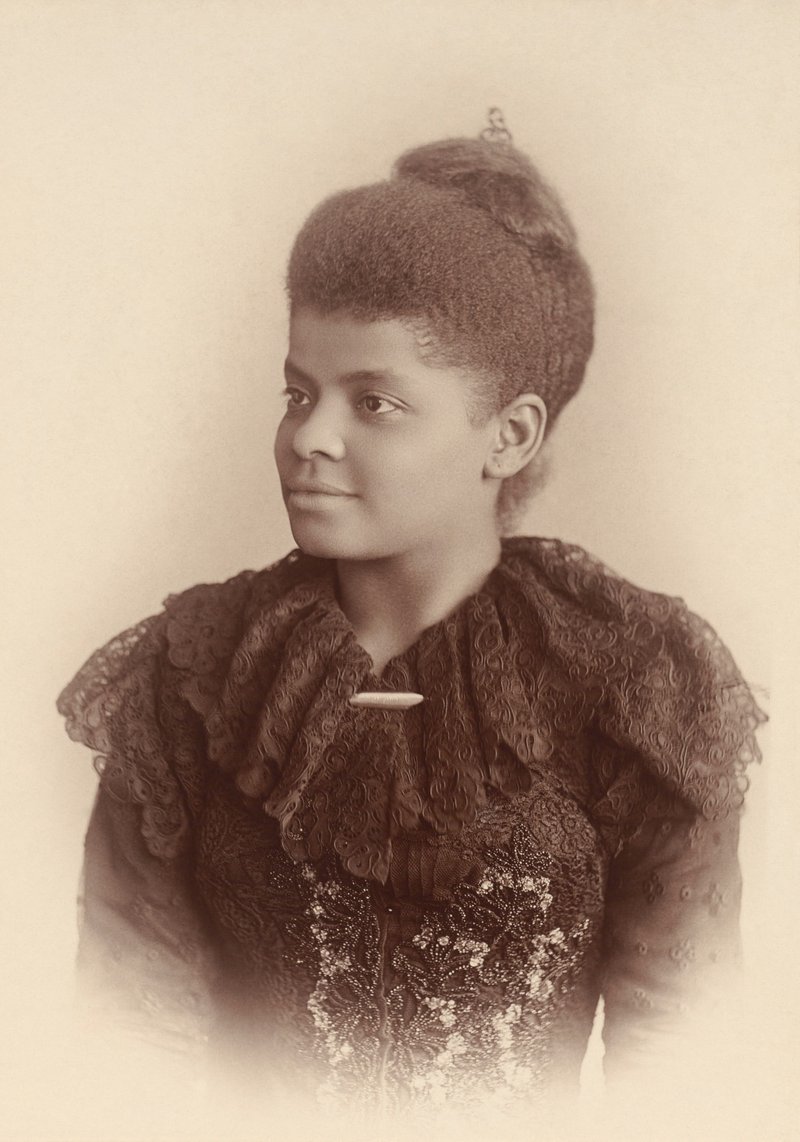
Ida B. Wells
1862–1931
Reconstruction EraFearless journalist and activist who led a national crusade against lynching and co-founded the NAACP.
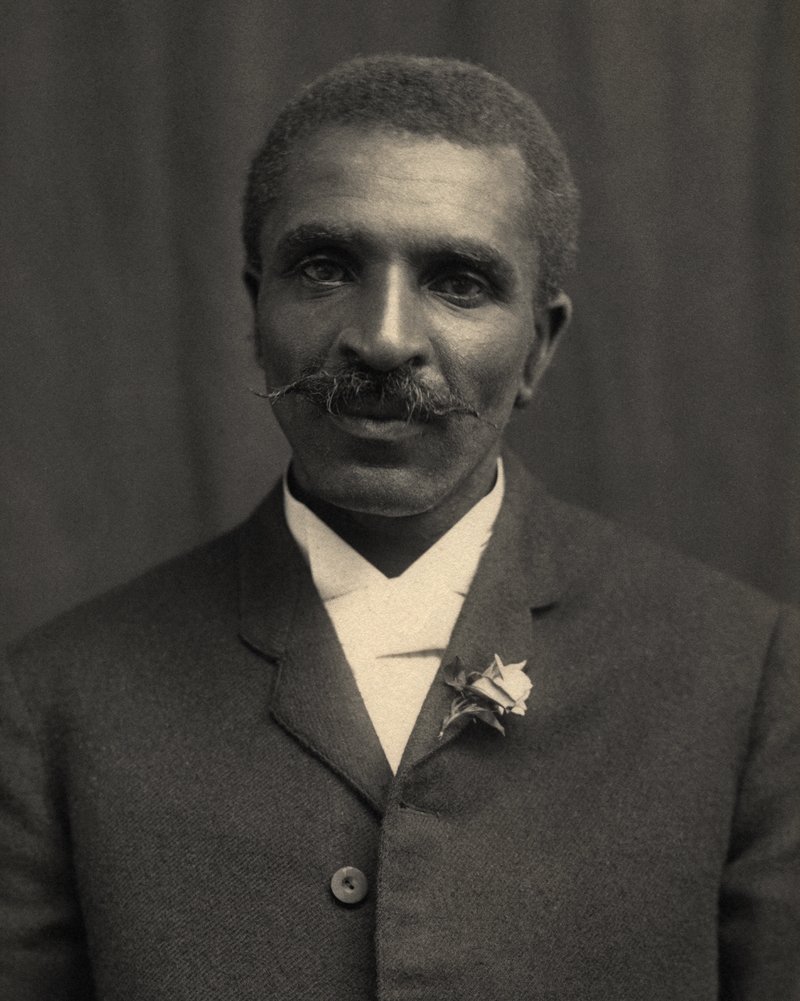
George Washington Carver
c. 1864–1943
Reconstruction EraBrilliant scientist who revolutionized Southern agriculture and discovered hundreds of uses for peanuts, sweet potatoes, and soybeans.
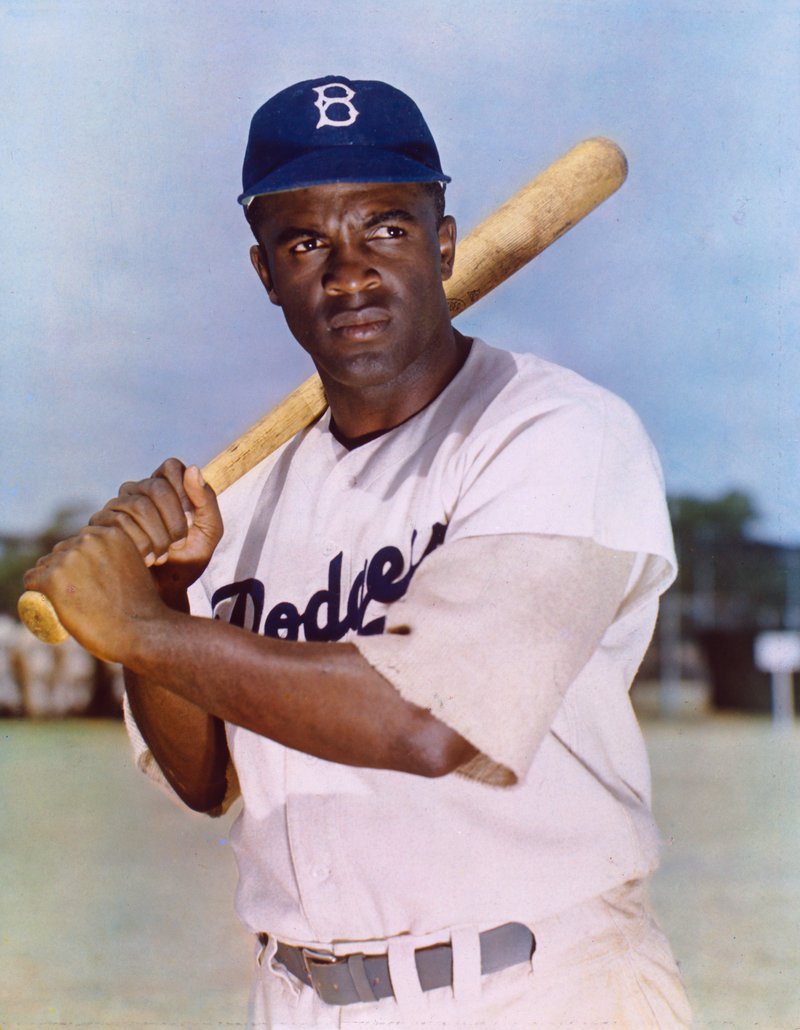
Jackie Robinson
1919–1972
Civil Rights MovementBroke baseball's color barrier in 1947 as the first Black player in Major League Baseball, paving the way for integration in sports.
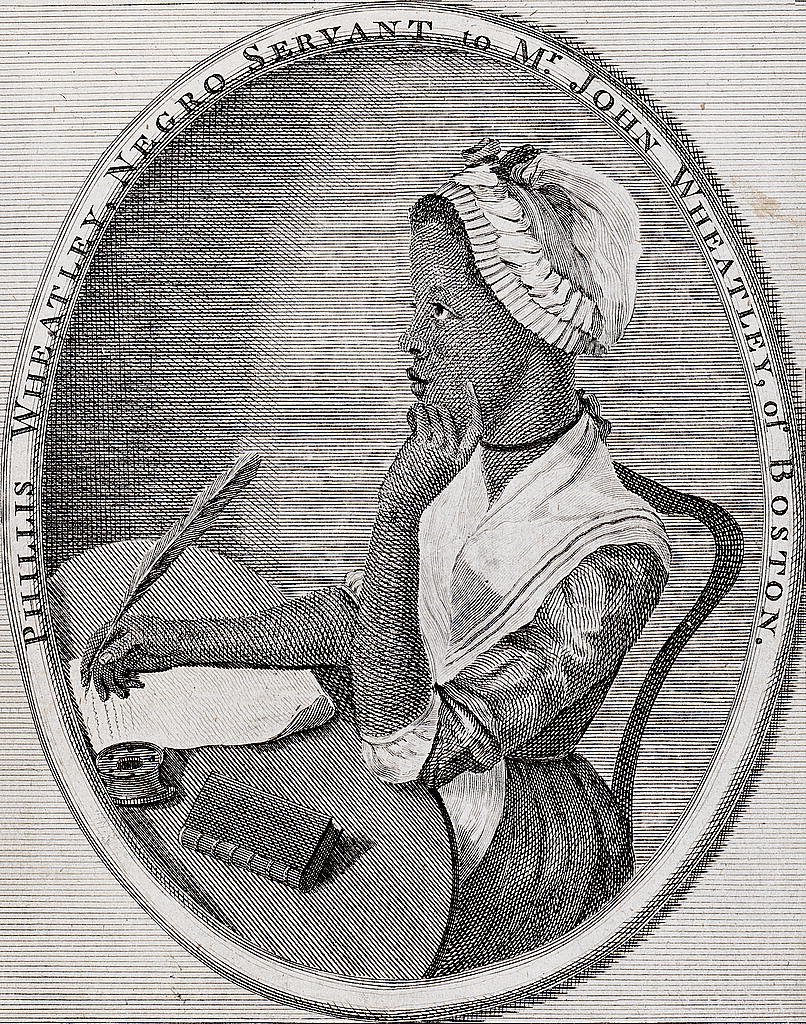
Phillis Wheatley
c. 1753–1784
Slavery And AbolitionismFirst African American to publish a book of poetry, proving through her brilliance that enslaved people deserved freedom and equality.
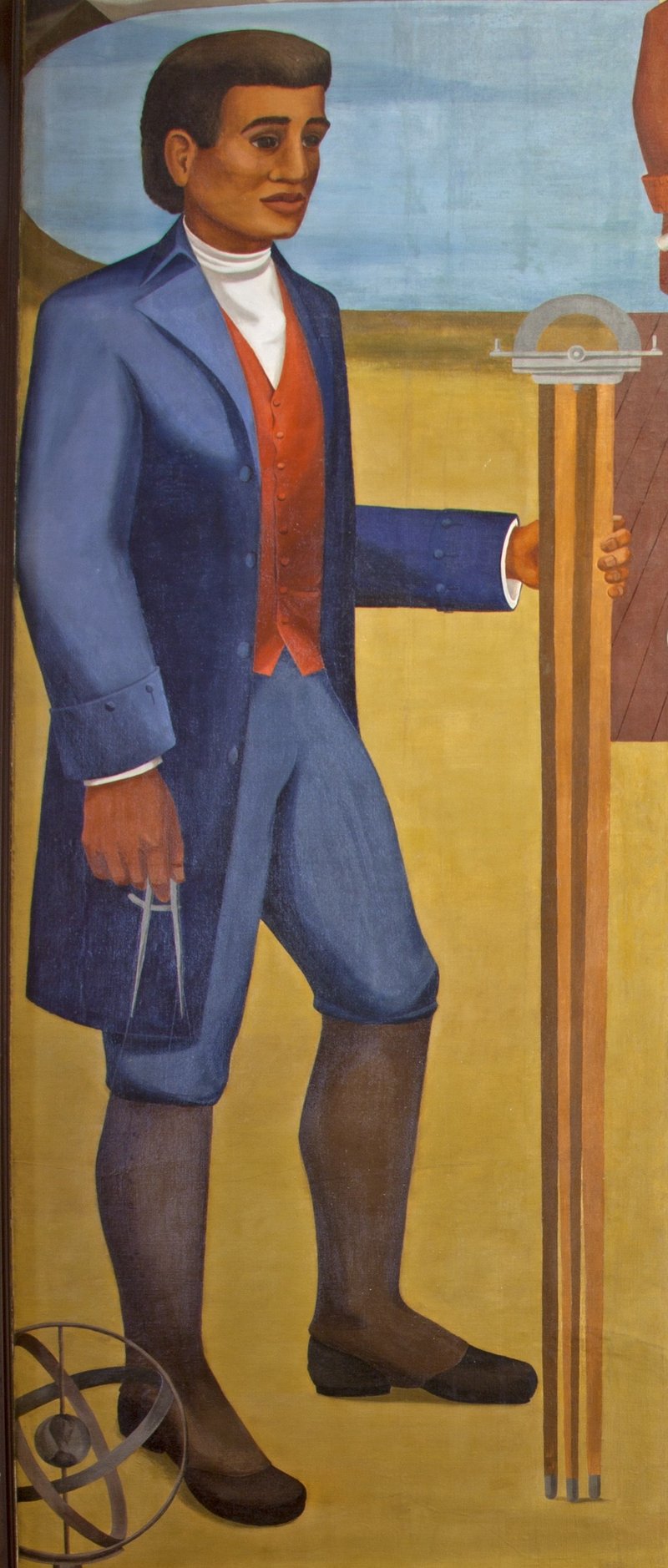
Benjamin Banneker
1731–1806
Slavery And AbolitionismSelf-taught mathematician and astronomer who helped survey Washington, D.C. and published widely respected almanacs.
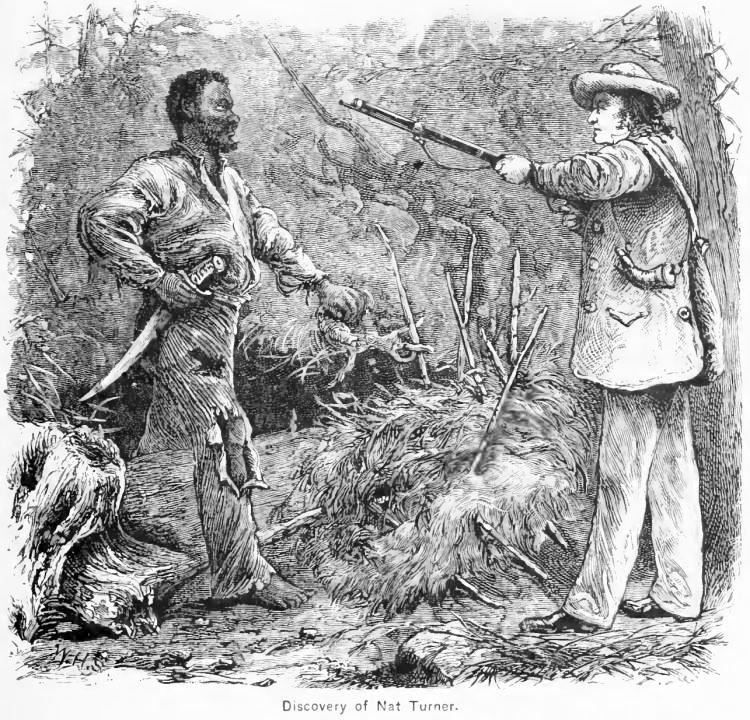
Nat Turner
1800–1831
Slavery And AbolitionismEnslaved preacher who led the most significant slave rebellion in American history, shaking the institution of slavery and sparking national debate.
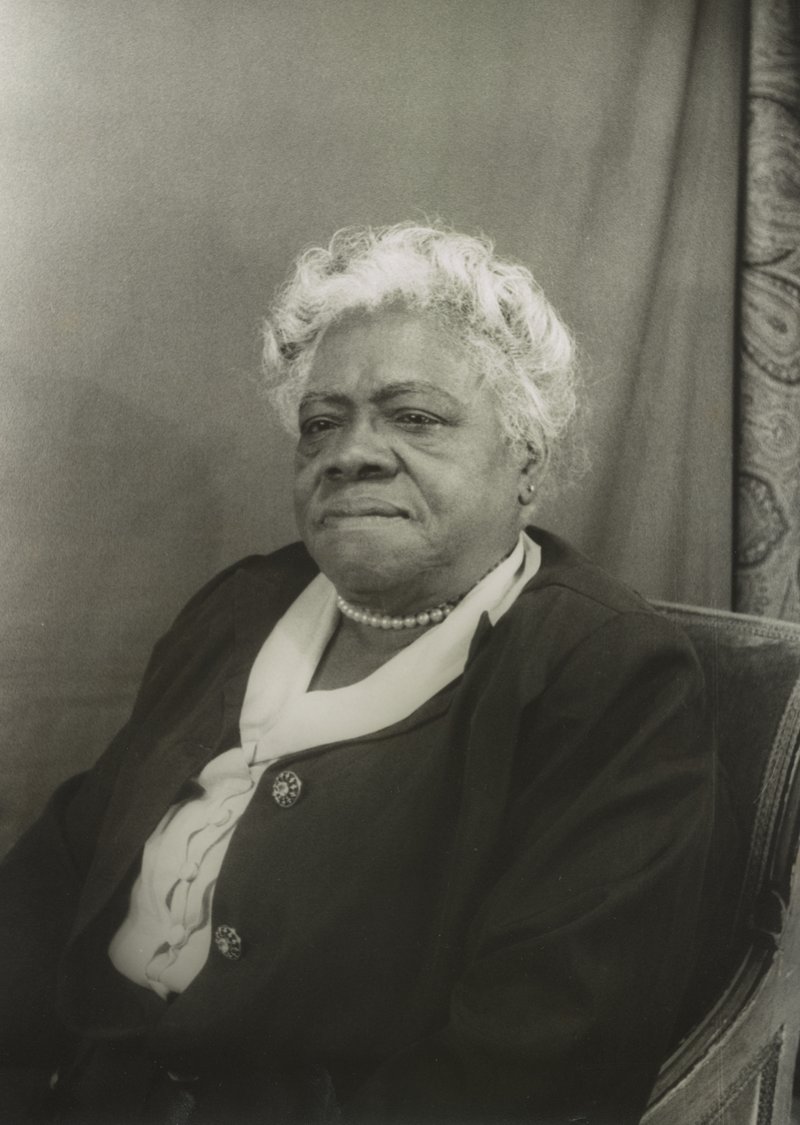
Mary McLeod Bethune
1875–1955
Reconstruction EraEducator who built a school with $1.50 into a university, advised President Roosevelt, and became one of the most powerful Black women in American history.
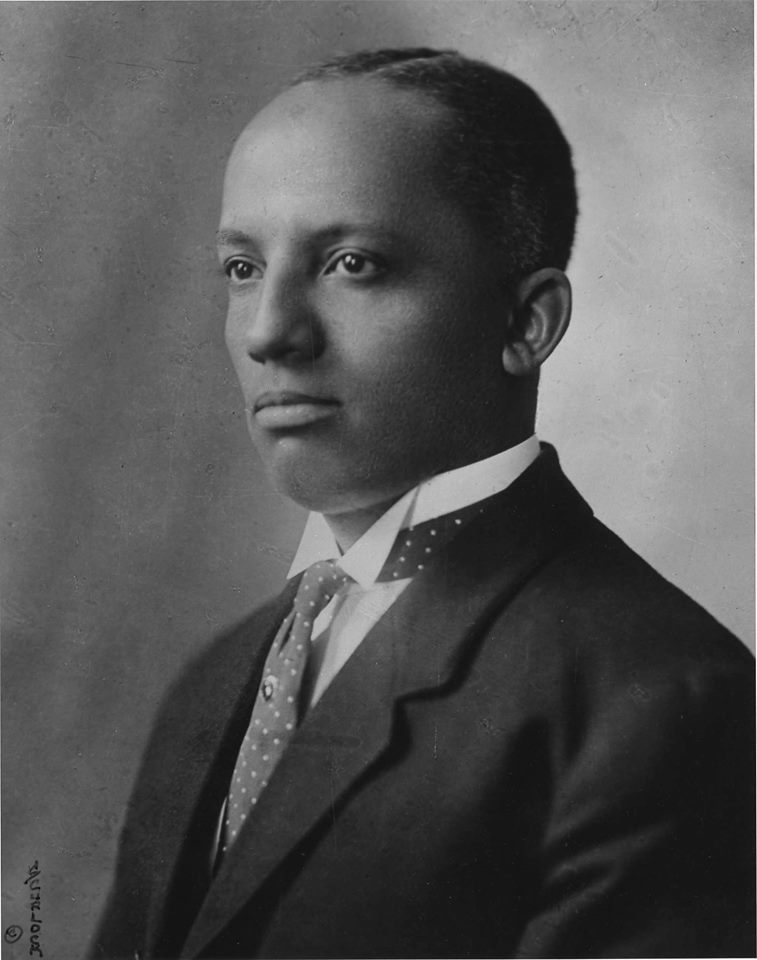
Carter G. Woodson
1875–1950
Reconstruction EraThe 'Father of Black History' who created Negro History Week (now Black History Month) and dedicated his life to preserving and teaching African American history.
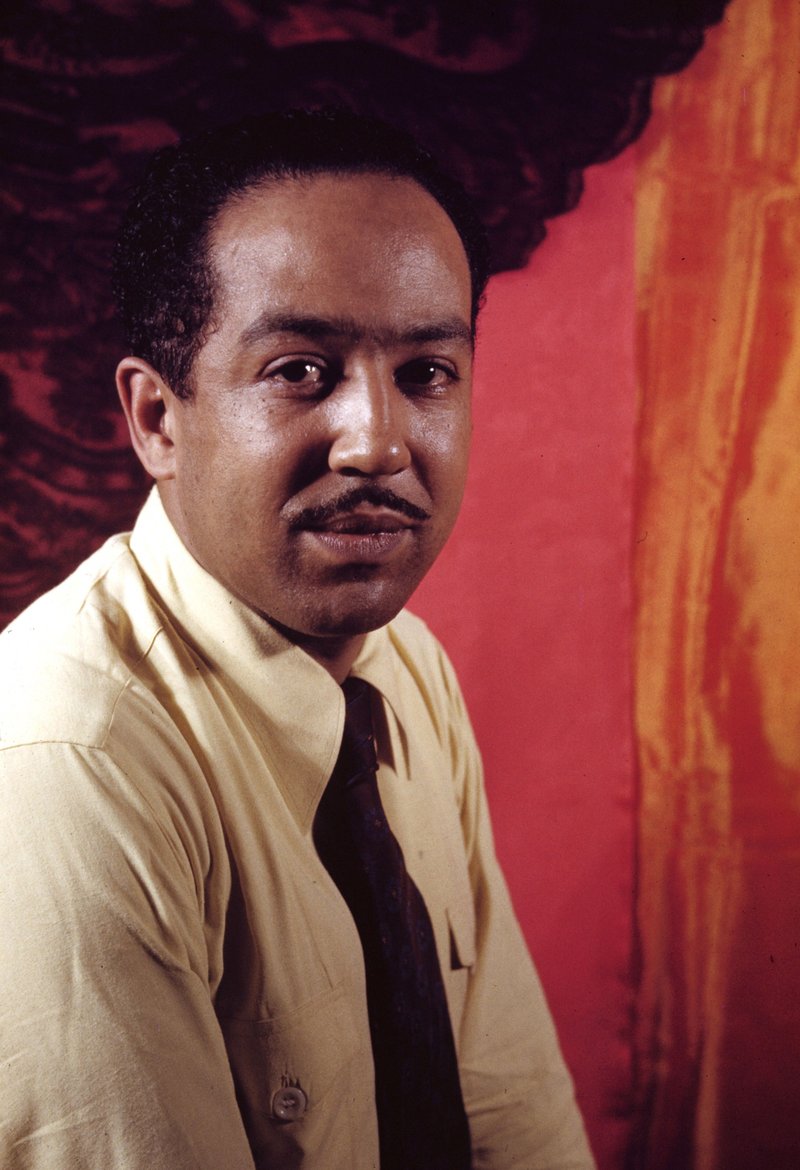
Langston Hughes
1902–1967
Harlem RenaissancePoet laureate of the Harlem Renaissance who gave voice to the dreams, struggles, and joys of Black America through jazz-inspired poetry.
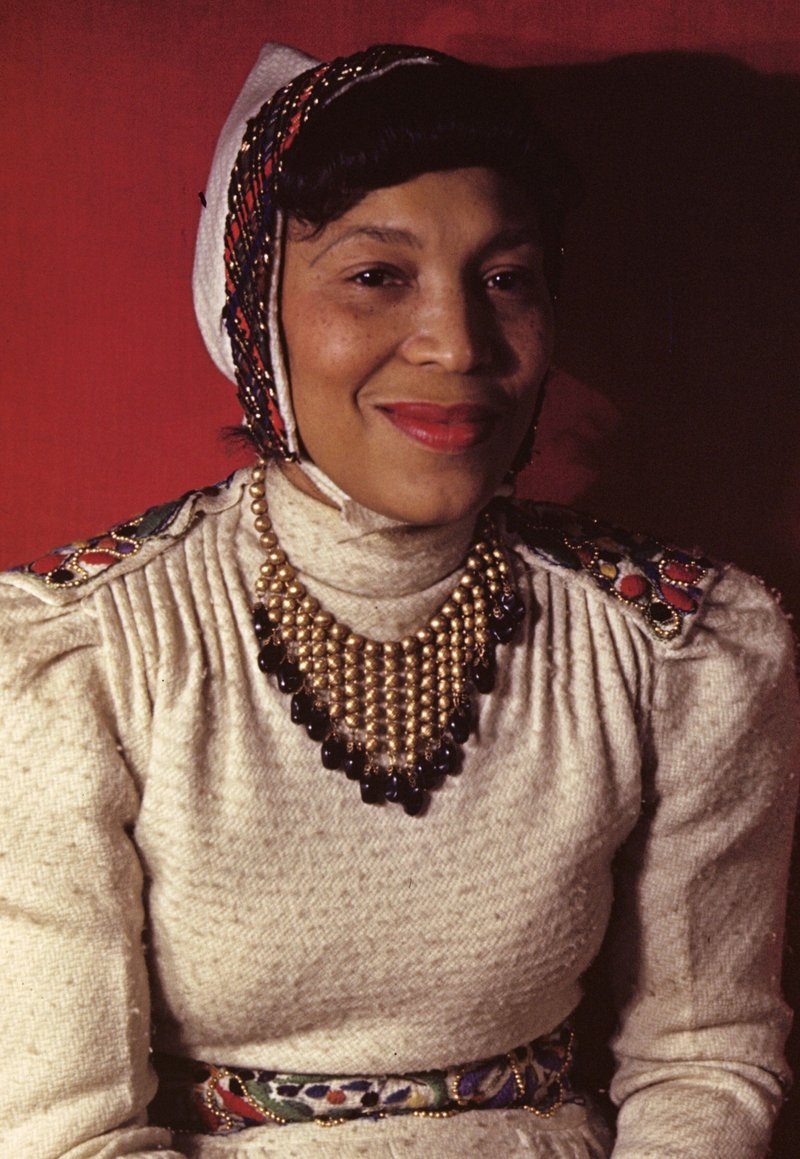
Zora Neale Hurston
1891–1960
Harlem RenaissanceAuthor and anthropologist who celebrated Black Southern folk culture and wrote 'Their Eyes Were Watching God,' one of the greatest American novels.
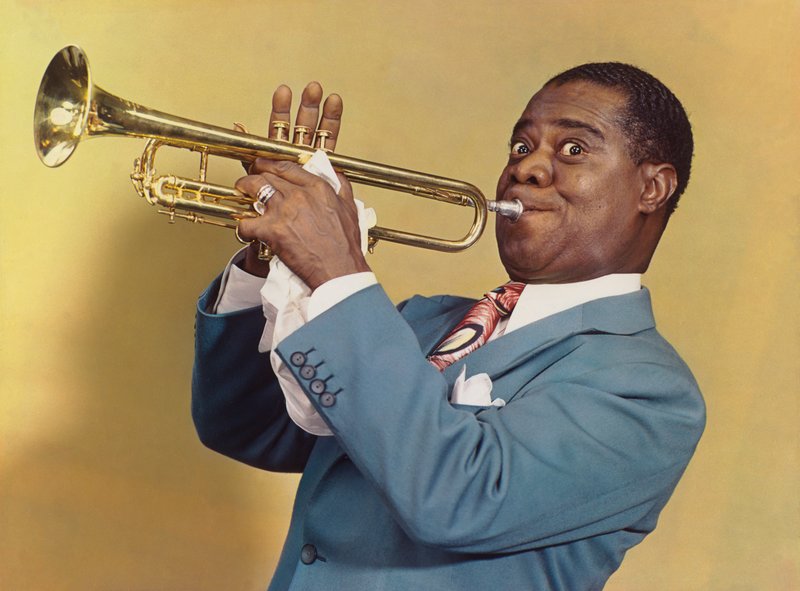
Louis Armstrong
1901–1971
Harlem RenaissanceThe most influential musician in jazz history who transformed American music, pioneered scat singing, and became a beloved cultural ambassador.
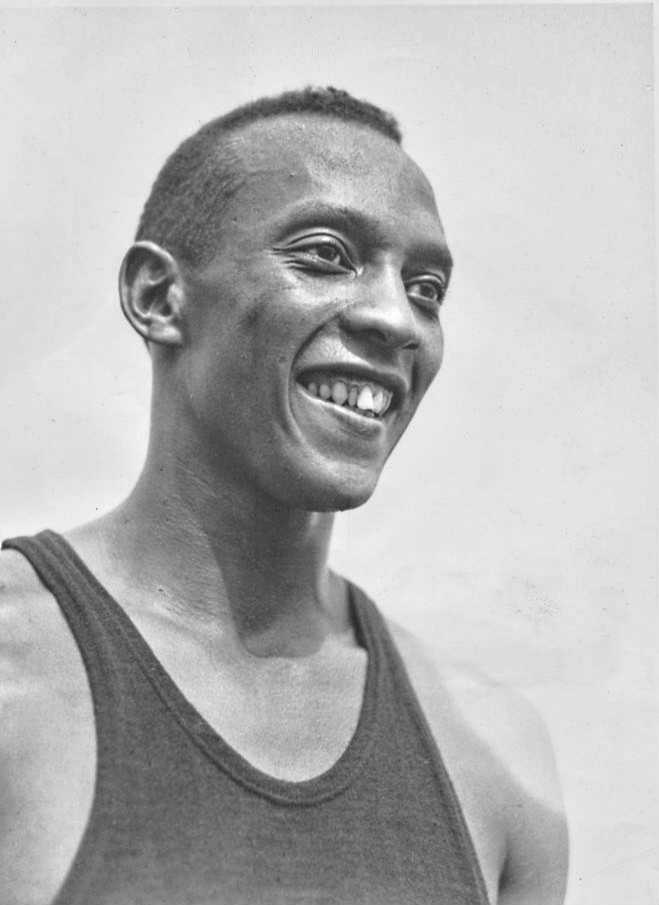
Jesse Owens
1913–1980
Jim Crow EraOlympic champion who won four gold medals at the 1936 Berlin Games, shattering the myth of racial superiority on the world stage.
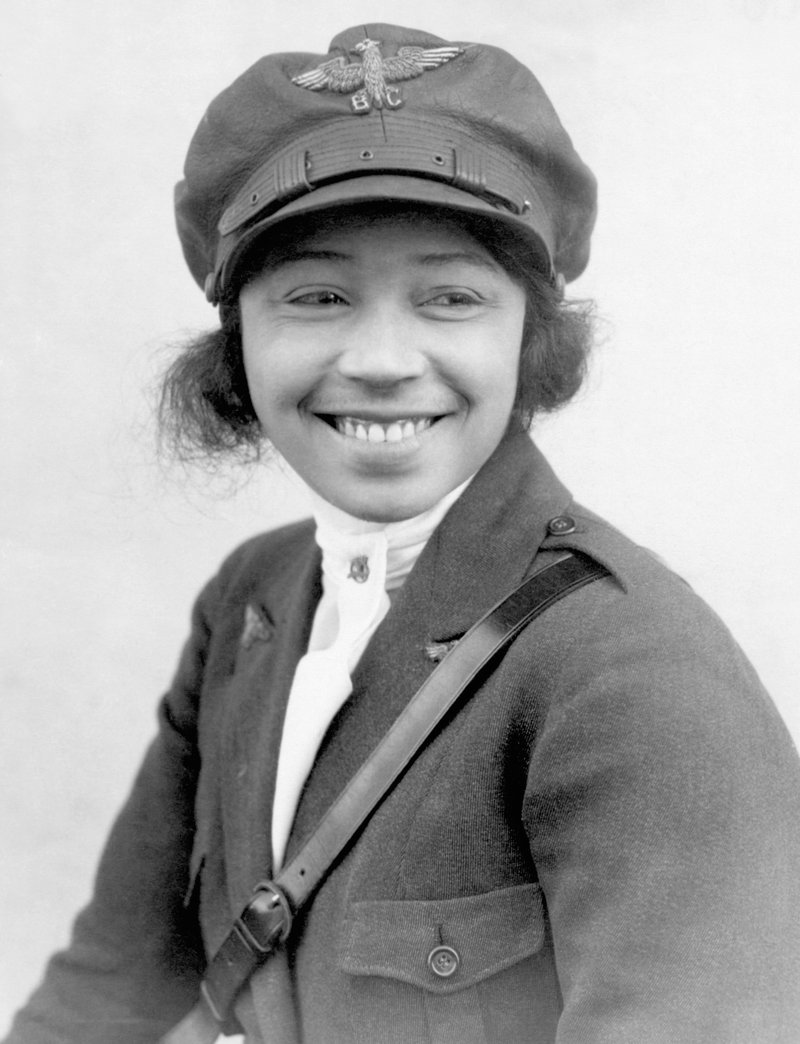
Bessie Coleman
1892–1926
Jim Crow EraThe first African American woman to earn a pilot's license, who defied racism and sexism to soar as a pioneering aviator and civil rights trailblazer.