George Washington Carver
c. 1864–January 5, 1943
Brilliant scientist who revolutionized Southern agriculture and discovered hundreds of uses for peanuts, sweet potatoes, and soybeans.
View Teaching Bundle →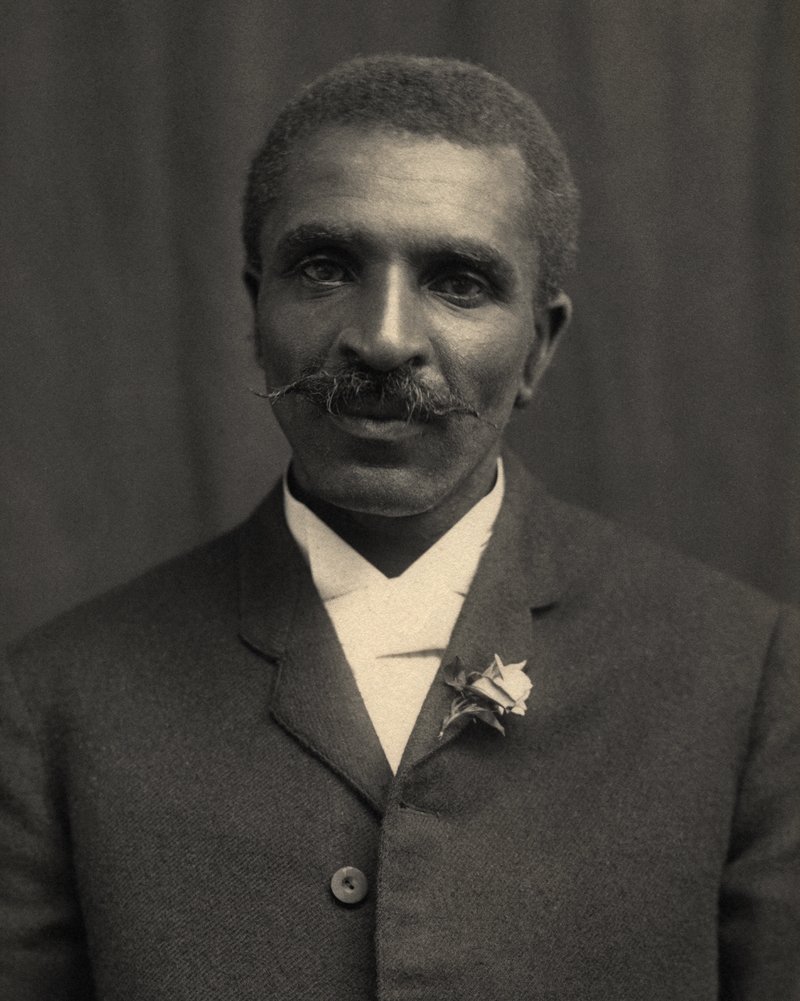
Who Was George Washington Carver?
Brilliant scientist who revolutionized Southern agriculture and discovered hundreds of uses for peanuts, sweet potatoes, and soybeans.
George Washington Carver was born into slavery around 1864 in Diamond, Missouri. As an infant, he and his mother were kidnapped by raiders. His owner, Moses Carver, recovered the baby but never found his mother. Raised by the Carver family after emancipation, young George showed an early fascination with plants. Neighbors called him 'the plant doctor' because he could nurse sick plants back to health. Because Black children were not allowed to attend the local school, he walked miles to a school for Black students in a nearby town. His thirst for knowledge led him across the Midwest in search of education.
Carver became the first Black student at Iowa State Agricultural College (now Iowa State University), where he earned both a bachelor's and master's degree in agriculture. His talent was so impressive that Booker T. Washington personally recruited him to lead the agriculture department at the Tuskegee Institute in 1896. At Tuskegee, Carver revolutionized farming in the South. He taught poor farmers to rotate their crops, alternating cotton with peanuts and sweet potatoes to restore nutrients to the soil. He then developed over 300 products from peanuts (including dyes, plastics, and gasoline) and 118 products from sweet potatoes, giving farmers profitable alternatives to cotton.
"Education is the key to unlock the golden door of freedom."- George Washington Carver, On the importance of learning
Carver's work transformed Southern agriculture and improved the lives of thousands of poor Black and white farmers. He was offered positions at much higher pay, including an invitation from Thomas Edison, but chose to stay at Tuskegee for 47 years. He donated his life savings of $60,000 to establish a research foundation at Tuskegee. Carver died on January 5, 1943. His birthplace was designated the first national monument dedicated to an African American. His story shows how one person's curiosity and dedication to science can change the lives of millions.
Key Events in George Washington Carver's Life
Watch and Learn
Learn more about the life and legacy of George Washington Carver.
Did You Know?
Contrary to popular belief, Carver did not invent peanut butter. But he did develop over 300 other products from peanuts, including dyes, plastics, and gasoline.
Neighbors called him 'the plant doctor' when he was a child because he had a gift for nursing sick plants back to health.
He turned down a job offer from Thomas Edison that would have paid him a huge salary, choosing to stay at Tuskegee to help his community.
His birthplace in Diamond, Missouri, was the first national monument dedicated to an African American, established in 1943.
Test Your Knowledge
How well do you know George Washington Carver? Take this quick 5-question quiz!
Want to teach this story? We've done the work for you.
George Washington Carver Complete Teaching Bundle
Lesson Plan
8-page comprehensive lesson plan with learning objectives, activities, and assessment. Differentiation included.
Student Workbook
12-section interactive workbook with reading passages, activities, quizzes, and a completion certificate.
Flashcard Set
40 cards across 6 categories: vocabulary, key facts, events, quotes, fun facts, and review challenges.
Instant digital download · Printable PDF · Grades 4–8 · Verified accurate
Here's a peek inside...
📖 Lesson Plan
📝 Student Workbook
Read the passage about George Washington Carver and answer the questions below.
🃏 Flashcard Set - Click to Flip!
Click the card to flip it
Get a Free Sample
Try before you buy! Enter your email to receive a free 2-page sample from the George Washington Carver lesson plan. No spam, just history.
Who Is This For?
Teachers
Save hours of lesson planning. Print-ready materials with learning objectives, differentiation notes, and assessment tools built in.
Parents
Supplement your child's education with accurate, engaging resources. Perfect for homeschooling or enrichment at home.
Students
Fun flashcards, hands-on activities, and creative projects that make learning history exciting and memorable.
You Might Also Like
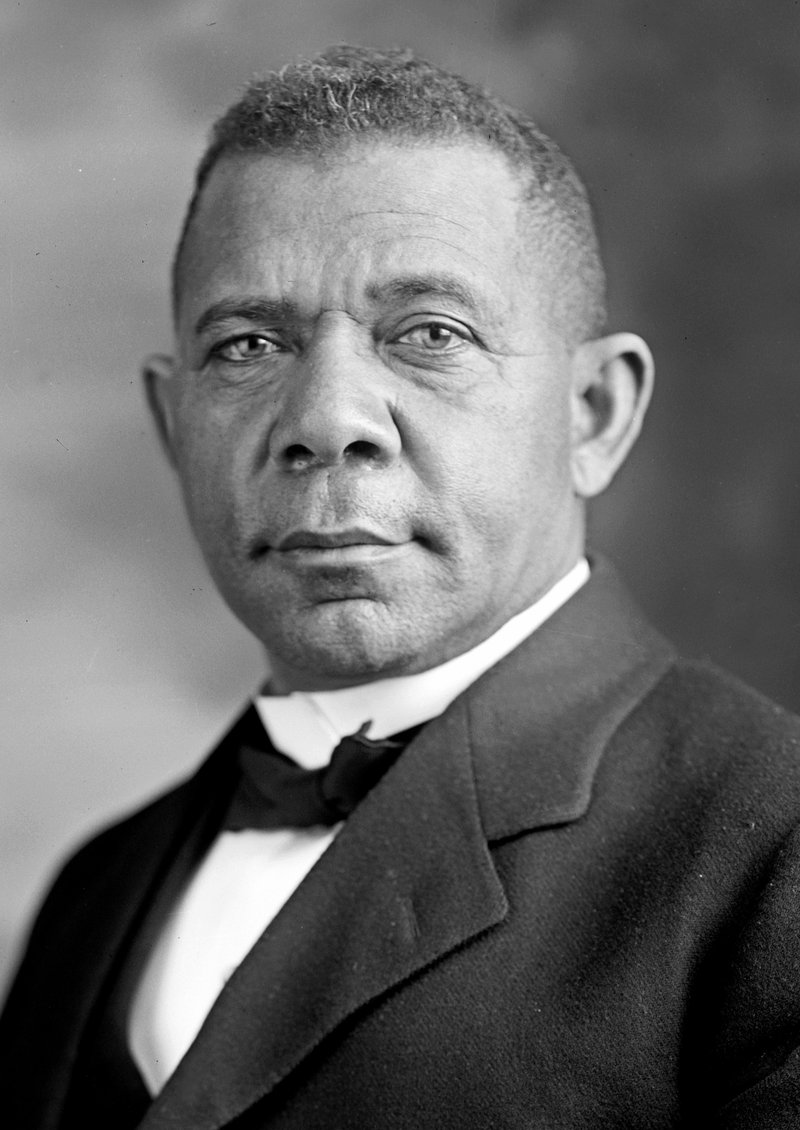
Booker T. Washington
1856–1915
Born into slavery, he became the most influential Black educator of his era and founded the Tuskegee Institute.
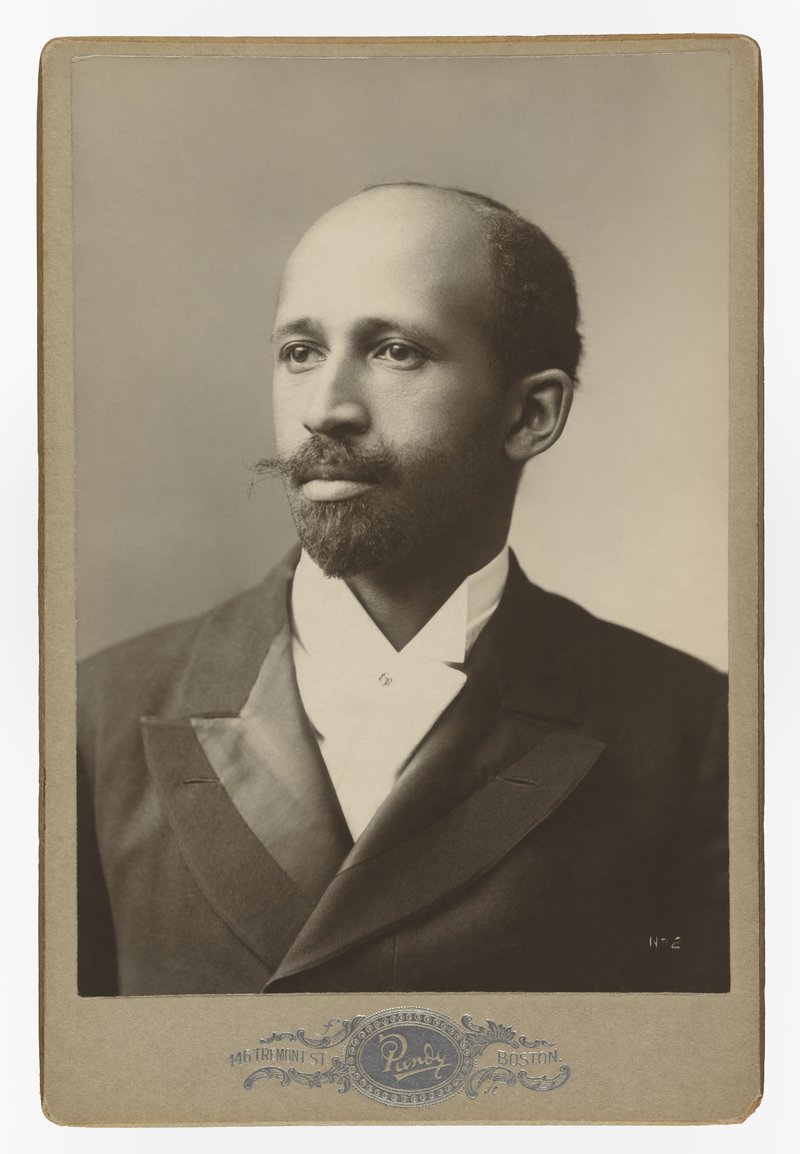
W.E.B. Du Bois
1868–1963
Brilliant scholar and co-founder of the NAACP who fought for full civil rights and equality for Black Americans through education and activism.
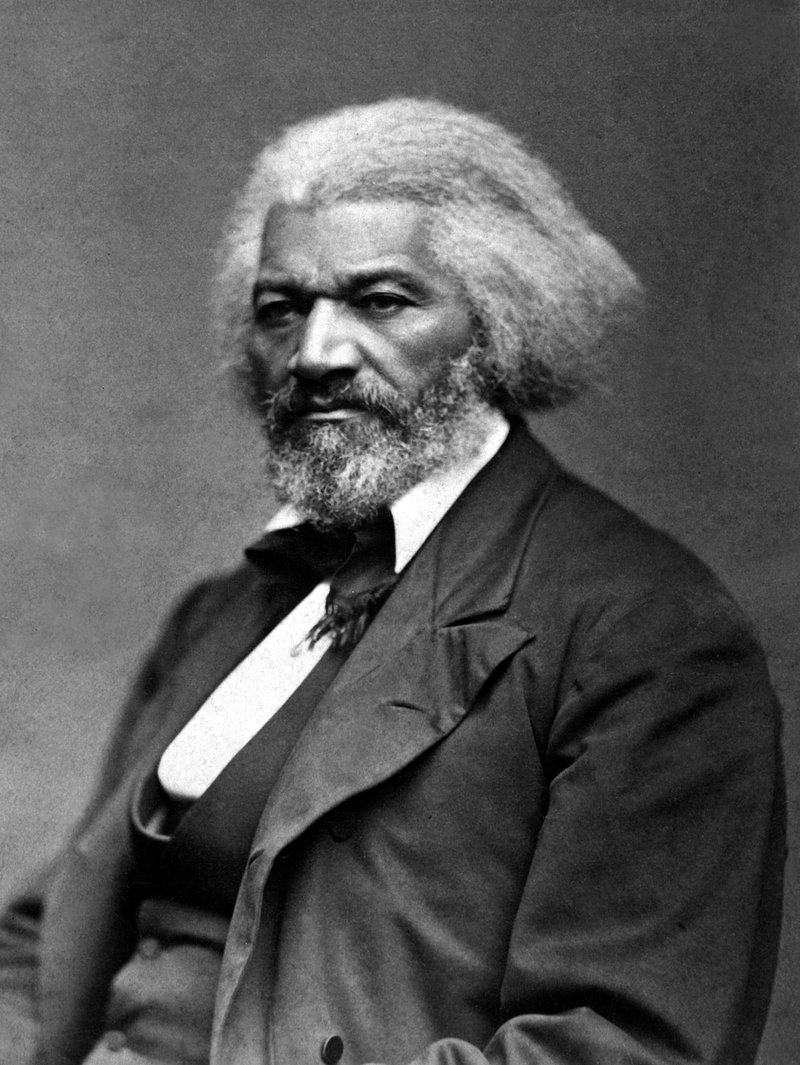
Frederick Douglass
February 1818–1895
Escaped slavery to become one of the most powerful voices against slavery in American history through his writing and speeches.