Emancipation Proclamation
President Abraham Lincoln issued an executive order declaring enslaved people in Confederate states to be forever free, transforming the Civil War into a fight for human freedom.
View Teaching Bundle →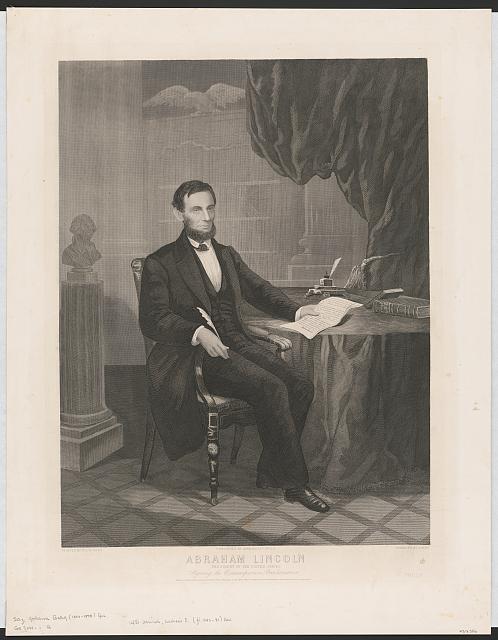
What Was the Emancipation Proclamation?
President Abraham Lincoln issued an executive order declaring enslaved people in Confederate states to be forever free, transforming the Civil War into a fight for human freedom.
On January 1, 1863, President Abraham Lincoln signed one of the most important documents in American history: the Emancipation Proclamation. This executive order declared that all enslaved people living in the Confederate states — the states that had left the Union — were "forever free." It was a bold and powerful step toward ending slavery in the United States. The Emancipation Proclamation changed the entire purpose of the Civil War. What had begun as a fight to keep the country together now became a fight for human freedom. For the first time, the United States government officially said that ending slavery was a goal of the war. The proclamation also opened the door for Black men to join the Union Army and Navy. About 180,000 Black soldiers bravely served, and their contributions helped the Union win the war. It is important to understand what the Emancipation Proclamation did and did not do. It freed enslaved people only in Confederate states — not in the border states of Missouri, Kentucky, Maryland, and Delaware, which had slavery but stayed in the Union. It also could not be enforced in areas still controlled by the Confederacy until Union troops arrived. Still, the proclamation was a turning point. It inspired enslaved people to escape to Union lines and gave the world a clear message: America was moving toward freedom for all. The 13th Amendment, ratified in 1865, would finish what the Emancipation Proclamation started by abolishing slavery everywhere in the nation.
Timeline
Watch and Learn
Did You Know?
Lincoln Waited for a Victory
President Lincoln had the Emancipation Proclamation ready for months, but his advisors told him to wait for a Union military victory so it would not look like an act of desperation. The Battle of Antietam in September 1862 gave him that chance.
About 180,000 Black Soldiers Served
After the proclamation allowed Black men to enlist, about 180,000 African Americans served in the Union Army and about 18,000 in the Navy. Their courage and skill helped the Union win the war.
It Did Not Free Everyone
The Emancipation Proclamation only applied to Confederate states. Enslaved people in the border states of Missouri, Kentucky, Maryland, and Delaware were not freed by this document. It took the 13th Amendment in 1865 to end slavery everywhere.
Frederick Douglass Celebrated the News
Abolitionist Frederick Douglass called the Emancipation Proclamation a great step toward justice. He had urged Lincoln for years to end slavery and helped recruit Black soldiers for the Union Army after the proclamation was issued.
The Original Document Is in the National Archives
The original Emancipation Proclamation is preserved at the National Archives in Washington, D.C. The document's ink has faded over the years, but Lincoln's signature is still visible at the bottom.
Key Figures Involved
The people who played a role in this event.
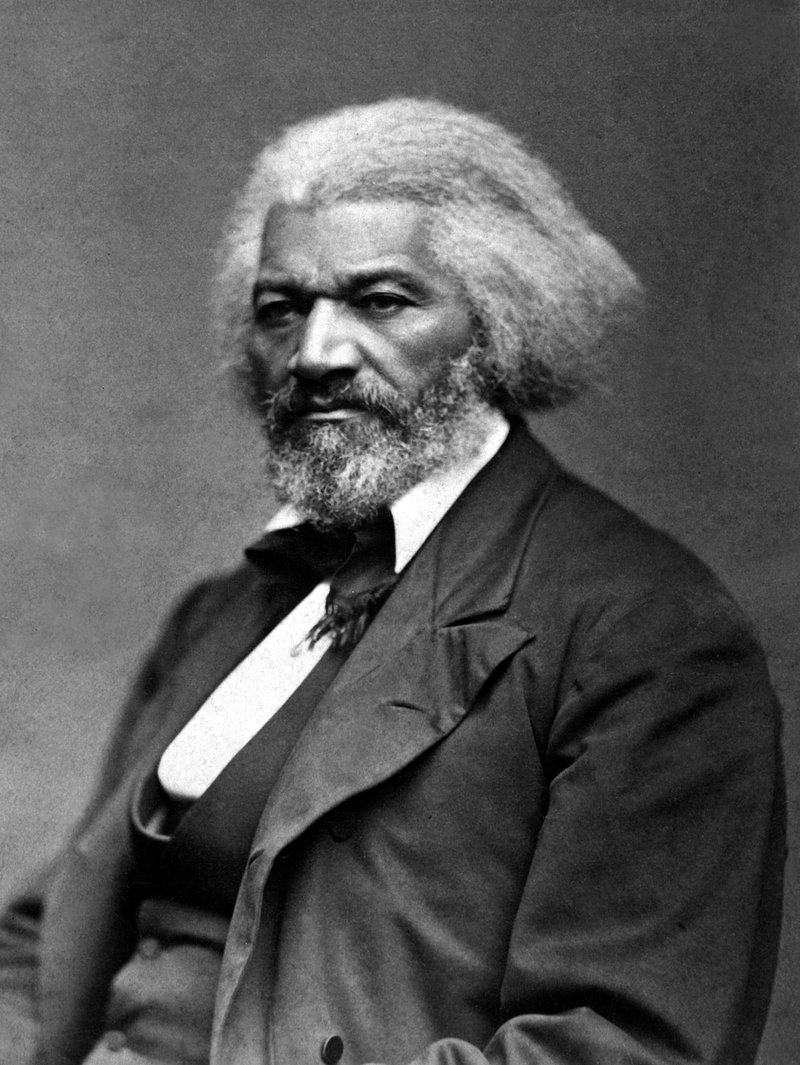
Frederick Douglass
February 1818–1895
Escaped slavery to become one of the most powerful voices against slavery in American history through his writing and speeches.
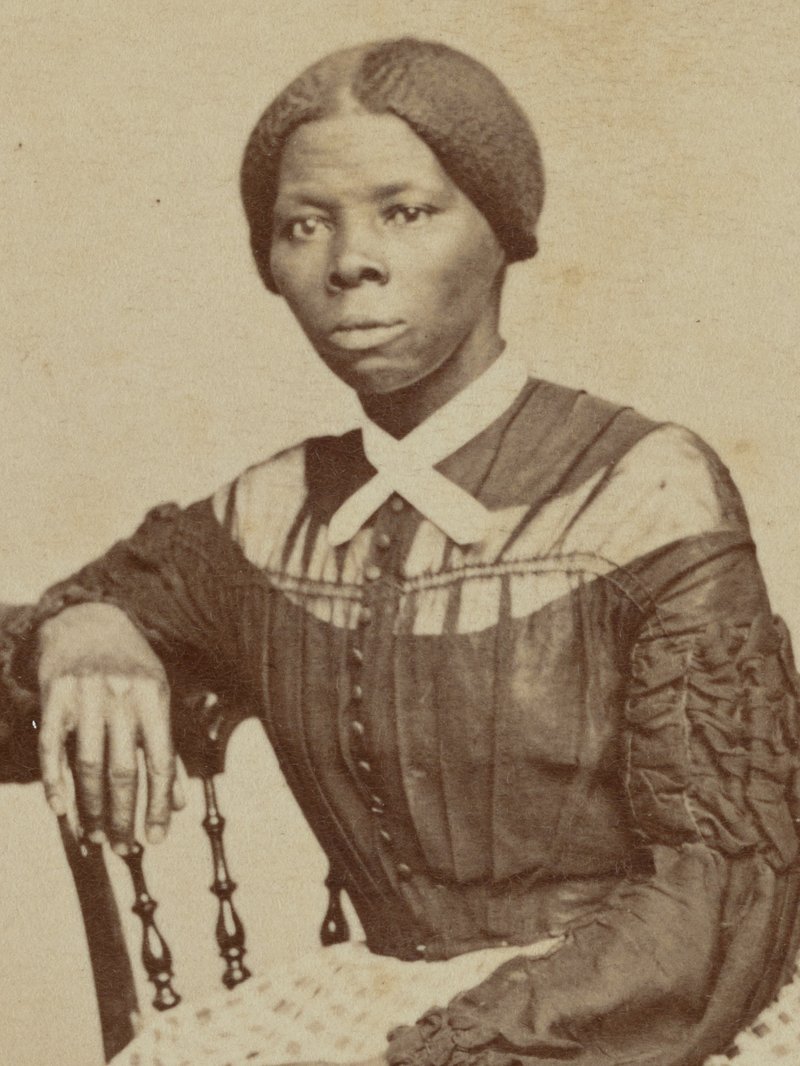
Harriet Tubman
March 1822–1913
Escaped enslaved woman who became the most famous conductor on the Underground Railroad, leading over 70 people to freedom.
Related Events
Other landmark events connected to this moment in history.
December 6, 1865
Ratification of the 13th Amendment
The 13th Amendment to the U.S. Constitution was ratified, permanently abolishing slavery throughout the United States and ending centuries of forced labor.
June 19, 1865
Juneteenth
Union soldiers arrived in Galveston, Texas, announcing that all enslaved people were free - more than two years after the Emancipation Proclamation was signed.
Want to teach this event? We've done the work for you.
Emancipation Proclamation Complete Teaching Bundle
Lesson Plan
Comprehensive lesson plan covering the full event with learning objectives, activities, and assessment.
Student Workbook
Interactive workbook with reading passages, timeline activities, primary source analysis, and a quiz.
Flashcard Set
40 cards covering vocabulary, key facts, people, causes, effects, and review challenges.
Instant digital download · Printable PDF · Grades 4–8 · Verified accurate
Here's a peek inside...
📖 Lesson Plan
📝 Student Workbook
Read the passage about Emancipation Proclamation and answer the questions below.
🃏 Flashcard Set - Click to Flip!
Click the card to flip it
Get a Free Sample
Try before you buy! Enter your email to receive a free sampler with flashcards, activities, and a lesson plan excerpt. No spam, just history.