Negro Leagues
Professional baseball leagues founded because Black players were banned from Major League Baseball, producing legendary athletes and becoming a cornerstone of Black culture and community.
View Teaching Bundle →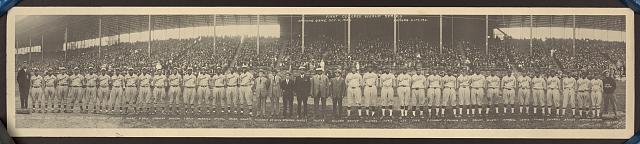
What Was the Negro Leagues?
Professional baseball leagues founded because Black players were banned from Major League Baseball, producing legendary athletes and becoming a cornerstone of Black culture and community.
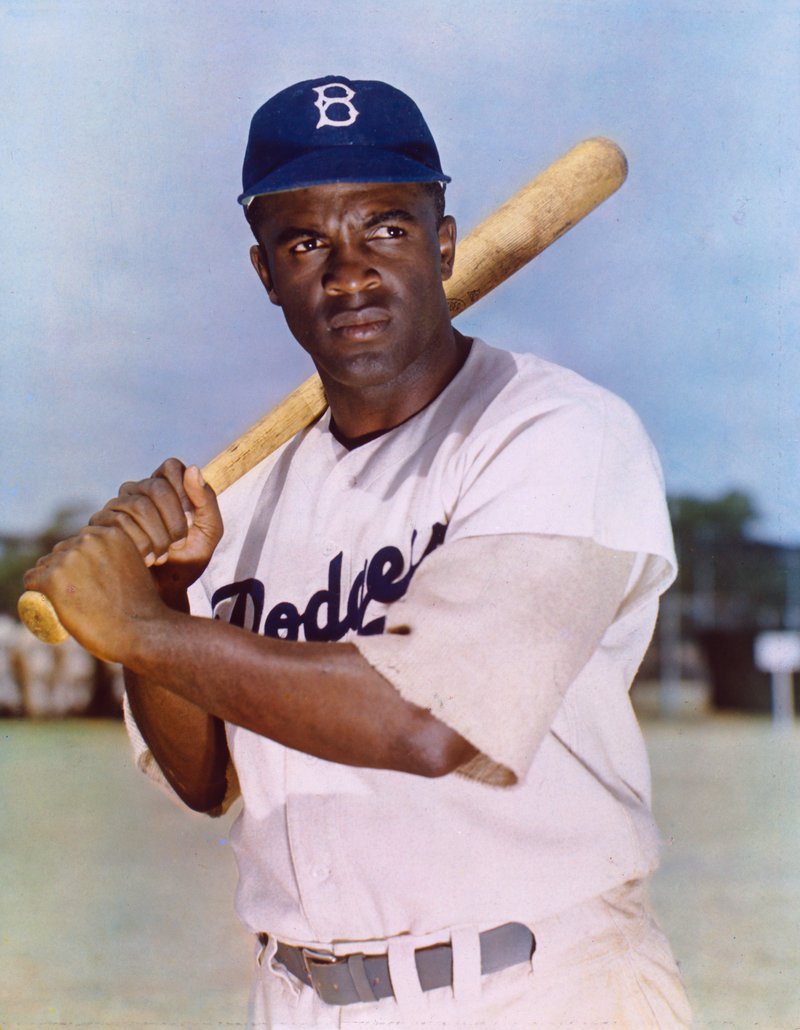
The Negro Leagues were a collection of professional baseball organizations that gave Black players the opportunity to play, compete, and excel at the highest level during an era when Major League Baseball was racially segregated. From the founding of the first Negro National League by Rube Foster in 1920 through the gradual decline following Jackie Robinson’s integration of the major leagues in 1947, the Negro Leagues produced some of the greatest baseball players of any era — and built communities, businesses, and traditions that extended far beyond the ballpark. At their peak, the Negro Leagues attracted hundreds of thousands of fans across Black communities throughout the country. Teams traveled by bus across the country, playing in cities large and small, often serving as anchors of Black economic and social life. Stars like Josh Gibson — who hit an estimated 800 or more home runs across his career — Satchel Paige, Cool Papa Bell, Oscar Charleston, and Buck Leonard dazzled fans with skills that many believed rivaled or surpassed those of the best players in the white major leagues. The legacy of the Negro Leagues was formally recognized in 2020, when Major League Baseball officially designated seven Negro Leagues as major leagues, acknowledging that their statistics and records deserve the same historical standing as those of the previously recognized major leagues. This decision elevated hundreds of Negro League players in the all-time statistical record books, and it affirmed what fans had known all along: that the Negro Leagues were major league baseball in every way that mattered.
Founding Story
The Negro Leagues grew out of necessity. Professional baseball had integrated briefly in the nineteenth century, but by the 1890s an unwritten “gentlemen’s agreement” among team owners had effectively excluded Black players from white organized baseball. For decades Black players had no professional circuit of their own. Andrew “Rube” Foster, a dominant pitcher and brilliant strategist from Calvert, Texas, changed everything. Foster had spent years building the Chicago American Giants into a powerhouse and dreamed of creating a stable, well-organized league for Black professional baseball. On February 13, 1920, at a YMCA in Kansas City, Missouri, Foster convened a meeting of team owners and founded the Negro National League — the first successful, sustained Black professional baseball league in American history. Foster served as league president and commissioner, making scheduling and financial decisions with an iron grip that kept the new league alive through its difficult early years. Other leagues followed: the Eastern Colored League in the mid-1920s, a reorganized Negro National League in 1933, and the Negro American League in 1937. Together these leagues gave Black baseball a permanent professional home for four decades.
Watch and Learn
Key Leaders & Figures
The people who shaped this organization and its mission.
Want to teach this organization? We've done the work for you.
Negro Leagues Complete Teaching Bundle
Lesson Plan
Comprehensive lesson plan covering the organization's founding, mission, key leaders, and lasting impact.
Student Workbook
Interactive workbook with reading passages, timeline activities, leadership analysis, and a quiz.
Flashcard Set
40 cards covering vocabulary, key facts, leaders, achievements, and review challenges.
Instant digital download · Printable PDF · Grades 4–8 · Verified accurate
Here's a peek inside...
📖 Lesson Plan
📝 Student Workbook
Read the passage about the Negro Leagues and answer the questions below.
Get a Free Sample
Try before you buy! Enter your email to receive a free sampler with flashcards, activities, and a lesson plan excerpt. No spam, just history.