Montgomery Bus Boycott
After Rosa Parks refused to give up her bus seat, Black residents of Montgomery, Alabama, boycotted the city bus system for 381 days until segregated seating was ruled unconstitutional.
View Teaching Bundle →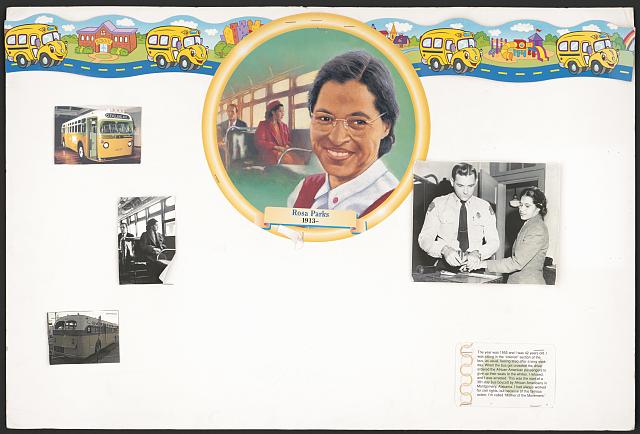
What Was the Montgomery Bus Boycott?
After Rosa Parks refused to give up her bus seat, Black residents of Montgomery, Alabama, boycotted the city bus system for 381 days until segregated seating was ruled unconstitutional.
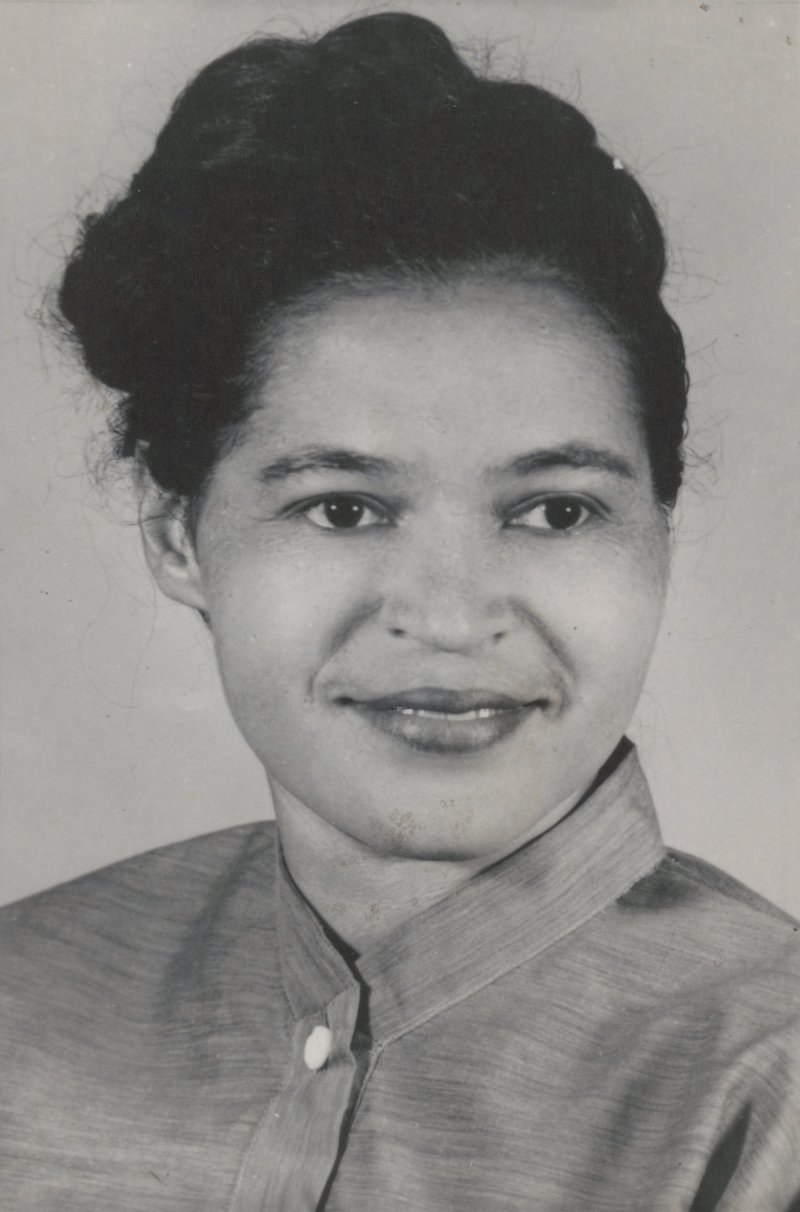
The Montgomery Bus Boycott was one of the most powerful acts of peaceful protest in American history. It began on December 5, 1955, just four days after Rosa Parks was arrested for refusing to give up her seat on a Montgomery, Alabama, city bus. Parks was sitting in the colored section of the bus, which was where Black passengers were required to sit. But when the white section filled up, the bus driver demanded that she and three other Black passengers move so a white man could sit down. Parks refused, and she was arrested. Black community leaders acted quickly. Jo Ann Robinson, a professor at Alabama State College, stayed up all night printing 52,500 flyers calling for a one-day bus boycott. That one day turned into 381 days. More than 40,000 Black residents stopped riding the buses. They walked miles to work, organized carpools, and shared taxis. A 26-year-old pastor named Dr. Martin Luther King Jr. was chosen to lead the newly formed Montgomery Improvement Association, which organized the boycott. The boycott hit the bus company hard — it lost about 65 percent of its revenue because Black riders had made up the majority of passengers. While the boycott continued, lawyers challenged bus segregation in court. In June 1956, a federal court ruled in Browder v. Gayle that Montgomery's bus segregation laws were unconstitutional. The Supreme Court upheld that decision on November 13, 1956. On December 20, 1956, the order reached Montgomery, and the boycott officially ended. Black and white passengers could sit wherever they chose. The boycott proved that when a community stands together, even unjust laws can be changed.
Timeline
Watch and Learn
Did You Know?
Rosa Parks Was Not the First
Nine months before Rosa Parks, 15-year-old Claudette Colvin refused to give up her bus seat and was arrested. Colvin later became one of the plaintiffs in the Browder v. Gayle case that ended bus segregation.
A Professor Printed 52,500 Flyers Overnight
Jo Ann Robinson, a professor at Alabama State College, stayed up all night with two students to print 52,500 flyers calling for the boycott. She distributed them throughout the Black community before dawn.
The Bus Company Lost Most of Its Revenue
Black passengers made up about 75 percent of Montgomery's bus riders. During the boycott, the bus company lost roughly 65 percent of its revenue, showing the enormous economic power of the Black community.
Dr. King Was Only 26 Years Old
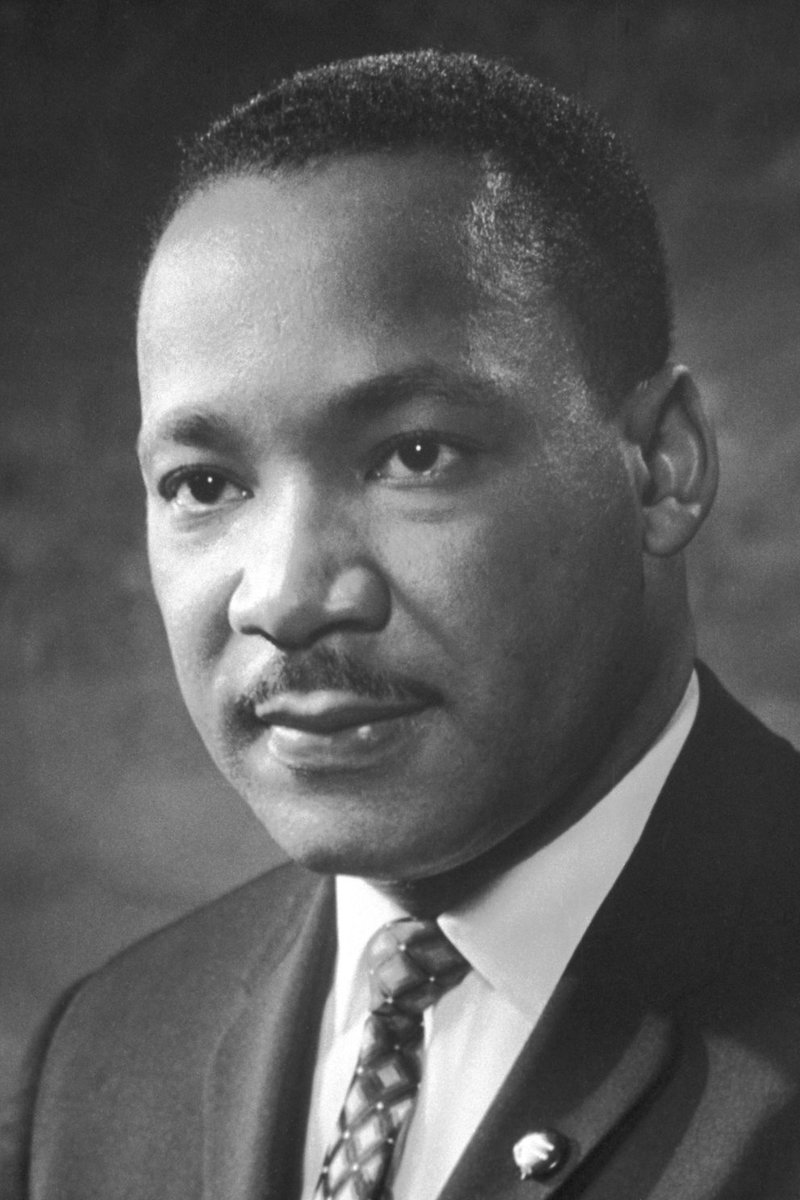
When Martin Luther King Jr. was chosen to lead the Montgomery Improvement Association and the boycott, he was just 26 years old and had only recently become pastor of Dexter Avenue Baptist Church.
People Walked Miles Every Day
Many boycotters walked miles to and from work each day rather than ride the buses. When asked if she was tired, one elderly woman famously said, 'My feets is tired, but my soul is rested.'
Key Figures Involved
The people who played a role in this event.
Related Events
Other landmark events connected to this moment in history.
May 17, 1954
Brown v. Board of Education
The Supreme Court unanimously ruled that racial segregation in public schools was unconstitutional, overturning the 'separate but equal' doctrine and sparking the modern civil rights movement.
July 2, 1964
Civil Rights Act Signed
President Lyndon B. Johnson signed the Civil Rights Act of 1964 into law, outlawing discrimination based on race, color, religion, sex, or national origin.
Want to teach this event? We've done the work for you.
Montgomery Bus Boycott Complete Teaching Bundle
Lesson Plan
Comprehensive lesson plan covering the full event with learning objectives, activities, and assessment.
Student Workbook
Interactive workbook with reading passages, timeline activities, primary source analysis, and a quiz.
Flashcard Set
40 cards covering vocabulary, key facts, people, causes, effects, and review challenges.
Instant digital download · Printable PDF · Grades 4–8 · Verified accurate
Here's a peek inside...
📖 Lesson Plan
📝 Student Workbook
Read the passage about Montgomery Bus Boycott and answer the questions below.
🃏 Flashcard Set - Click to Flip!
Click the card to flip it
Get a Free Sample
Try before you buy! Enter your email to receive a free sampler with flashcards, activities, and a lesson plan excerpt. No spam, just history.