"Ain't I a Woman?" Speech
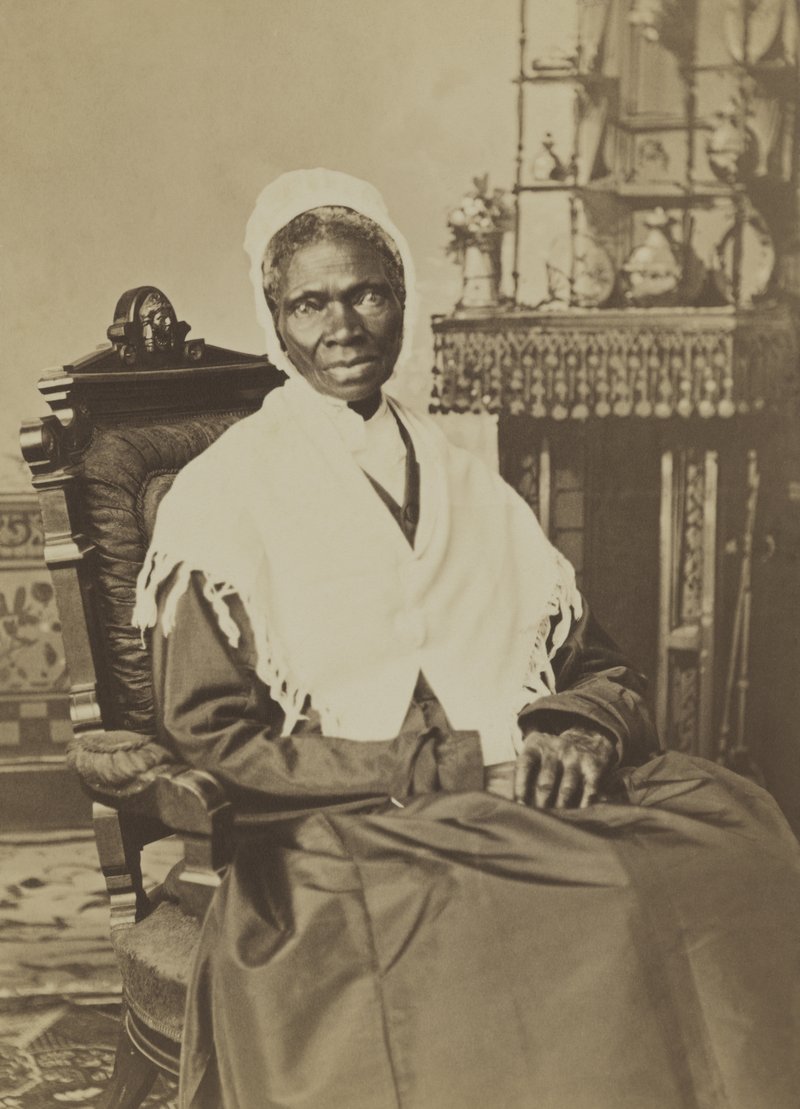
By Sojourner Truth
Sojourner Truth's famous speech at the Women's Rights Convention in Akron, Ohio, challenging racism and sexism with powerful rhetorical questions about equality and human dignity.
View Teaching Bundle →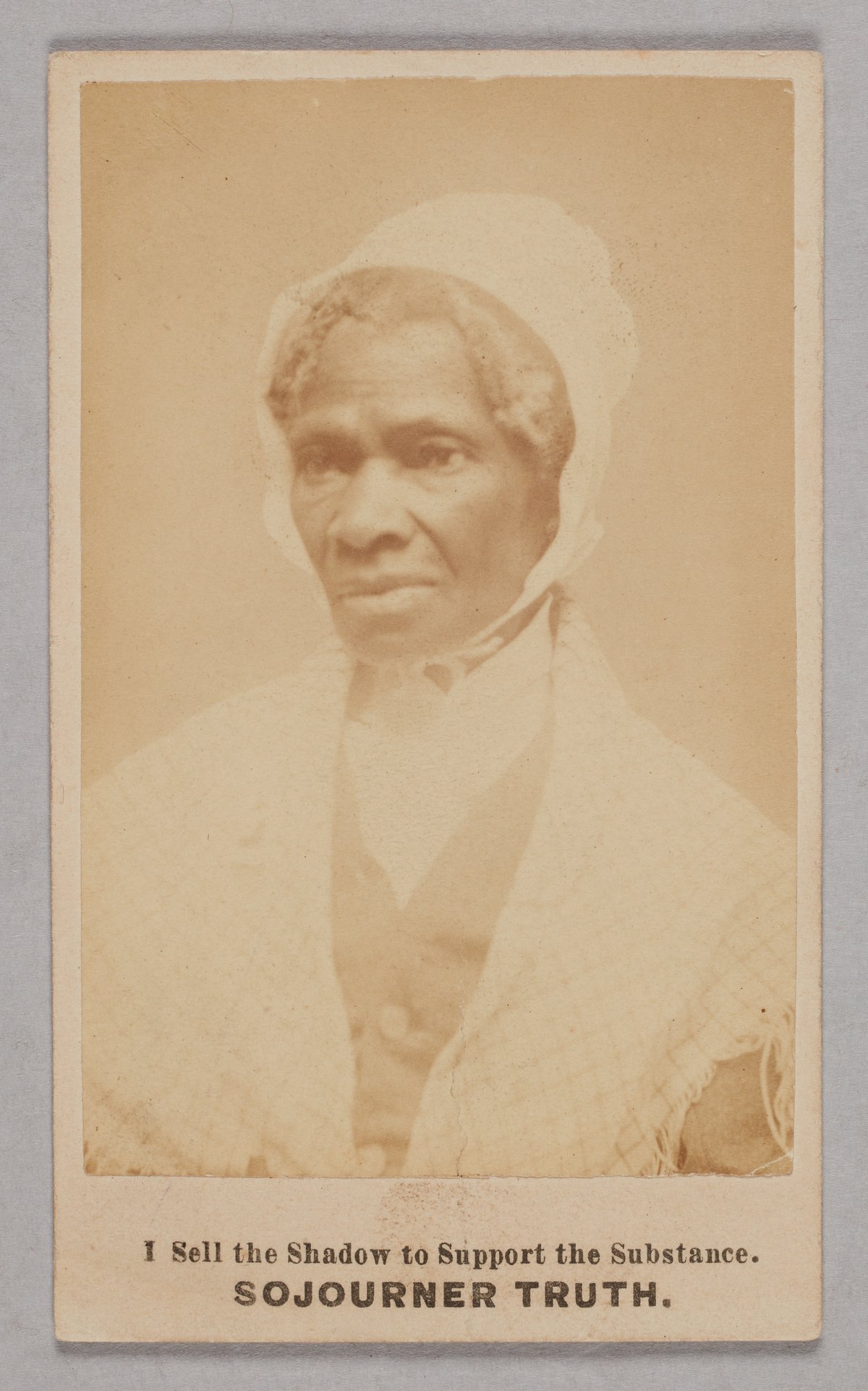
What Is the "Ain't I a Woman?" Speech?
Sojourner Truth's famous speech at the Women's Rights Convention in Akron, Ohio, challenging racism and sexism with powerful rhetorical questions about equality and human dignity.
On May 29, 1851, Sojourner Truth stood up at the Ohio Women's Rights Convention in Akron and delivered a speech that challenged everything people thought they knew about both race and gender. She had not been scheduled to speak. Many convention organizers actually tried to keep her quiet, fearing that the presence of a Black woman would distract from the women's rights cause. Truth spoke anyway — and what she said changed the conversation forever. Truth challenged male ministers who argued that women were too delicate to deserve equal rights. She pointed to her own life as evidence: she had worked as hard as any man, suffered as much as any person, and been denied every protection society claimed to give women. Her argument was simple and devastating: if she had endured everything men had endured — and more — then she was just as entitled to rights as they were. Here is something important to know about this speech: there are two very different accounts of what Truth actually said. The first, written by Marius Robinson shortly after the speech and published in the Anti-Slavery Bugle on June 21, 1851, presents Truth speaking in standard English without the phrase 'Ain't I a woman?' The second version, written twelve years later by Frances Dana Barker Gage, contains the famous repeated phrase and a Southern dialect. Since Truth grew up in New York and spoke Dutch as her first language — not the Southern dialect Gage attributed to her — historians believe Gage's version may have embellished the original. Learning about both versions teaches us something important: how history gets recorded, by whom, and why those choices matter.
Historical Context
In 1851, women in the United States had almost no legal rights. They could not vote, could not own property in most states, and had little standing in courts of law. The first Women's Rights Convention had been held at Seneca Falls, New York, just three years earlier in 1848, launching a new movement for gender equality. Meanwhile, the antislavery movement was growing louder. Many women who fought for abolition began to notice that arguments used against women's rights sounded dangerously similar to arguments used to justify slavery — both systems denied certain people full personhood and full rights. Sojourner Truth, who had escaped slavery in 1826 and had become a powerful speaker for abolition, stood at the intersection of both struggles. As a Black woman, she was excluded from protections that society claimed to give both women and Black people. Her Akron speech made that contradiction impossible to ignore.
Key Excerpts
Important passages from this primary source, presented in kid-friendly language.
"I have as much muscle as any man, and can do as much work as any man. I have plowed and reaped and husked and chopped and mowed, and can any man do more than that?"
What this means: This is from the contemporaneous Robinson account (published June 21, 1851). Truth refutes the argument that women are too physically weak for equal rights by pointing to her own history of hard labor under slavery. She worked as hard as — or harder than — any man.
"I have heard much about the sexes being equal; I can carry as much as any man, and can eat as much too, if I can get it."
What this means: This is from the Robinson account (1851). Truth uses ironic, practical language to show that the idea of women being delicate is simply not true for women who have lived her experience. Her humor makes a sharp point about whose version of 'womanhood' is being discussed.
"I have borne thirteen children, and seen them most all sold off to slavery, and when I cried out with my mother's grief, none but Jesus heard me! And ain't I a woman?"
What this means: Note: This passage appears in Frances Gage's 1863 account, written 12 years after the speech — not in the contemporaneous Robinson account. Historians have also noted that the number 'thirteen children' appears only in the Gage version; documented historical records identify five of Truth's children by name. Even if the specific words and numbers are Gage's addition, the suffering they describe — losing children to slavery — was Truth's real experience. Students should treat this passage as Gage's representation of Truth's story, not a verbatim transcript.
"Then that little man in black there, he says women can't have as much rights as men, because Christ wasn't a woman! Where did your Christ come from? Where did your Christ come from? From God and a woman! Man had nothing to do with Him."
What this means: This remarkable argument appears in the Gage version (1863). Truth turns a religious argument against women's rights back on itself: if women were not worthy, how did one give birth to Christ? This type of argument — using your opponent's own reasoning against them — is called a rhetorical reversal.
Vocabulary Spotlight
Key words and phrases from this primary source.
Contemporaneous
Existing or occurring at the same time; written at the moment when something happened, not years later
Embellish
To add extra details to a story to make it more interesting or dramatic, sometimes changing what really happened
Dialect
A form of a language spoken in a particular region, with distinct pronunciation, vocabulary, and grammar
Abolition
The complete ending of slavery
Suffrage
The right to vote in political elections
Rhetorical
Relating to the art of effective speaking or writing; using language to persuade an audience
Historical Record
The collection of written accounts, documents, and evidence that tells us what happened in the past
Primary Source
A document, speech, or artifact created at the time of the events it describes, by someone who was present
About the Author
Learn more about the person who created this primary source.
Impact & Legacy
Watch and Learn
Did You Know?
She Was Born Speaking Dutch, Not English
Sojourner Truth grew up in a Dutch-speaking enslaved community in New York. English was her second language. This makes the Southern dialect that Frances Gage attributed to her in 1863 historically impossible — Truth never lived in the South.
There Are Two Very Different Versions of This Speech
The version most people know — with 'Ain't I a woman?' repeated four times — was written twelve years after the speech by Frances Gage. The original 1851 account by Marius Robinson tells a different story in standard English.
She Won a Court Case Against a White Man
In 1828, Truth became one of the first Black women to win a lawsuit against a white man in a U.S. court. She successfully sued for the return of her son, who had been illegally sold into slavery in Alabama.
She Named Herself
Born Isabella Baumfree, she chose the name Sojourner Truth in 1843. 'Sojourner' means a traveler — someone passing through. She said God called her to travel and speak truth. Her chosen name became her mission.
Convention Organizers Tried to Stop Her From Speaking
Several organizers of the Akron convention did not want Truth to speak. They feared that a Black woman addressing the crowd would be used to dismiss the entire women's rights cause. She spoke anyway — and her words became the most remembered of the whole convention.
The Speech Teaches a Lesson About History Itself
The two versions of this speech are a gift to students of history. They show that what we think we know about the past depends on who wrote it down. Comparing the two versions helps us understand how history is created — and how it can be changed.
Related Primary Sources
Other important documents and speeches in Black history.
Want to teach this primary source? We've done the work for you.
"Ain't I a Woman?" Speech Complete Teaching Bundle
Lesson Plan
Comprehensive lesson plan covering the document's background, key passages, author's purpose, and historical impact.
Student Workbook
Interactive workbook with source analysis exercises, reading comprehension, vocabulary in context, and compare & contrast activities.
Flashcard Set
40 cards covering vocabulary, key excerpts, historical context, author's purpose, and review challenges.
Instant digital download · Printable PDF · Grades 4–8 · Verified accurate
Here's a peek inside...
📖 Lesson Plan
📝 Student Workbook
Read the excerpt from "Ain't I a Woman?" Speech and answer the questions below.
🃏 Flashcard Set - Click to Flip!
Click the card to flip it
Get a Free Sample
Try before you buy! Enter your email to receive a free sampler with flashcards, activities, and a lesson plan excerpt. No spam, just history.