NAACP
The National Association for the Advancement of Colored People, founded to fight racial inequality through legal action, education, and advocacy, becoming the most influential civil rights organization in American history.
View Teaching Bundle →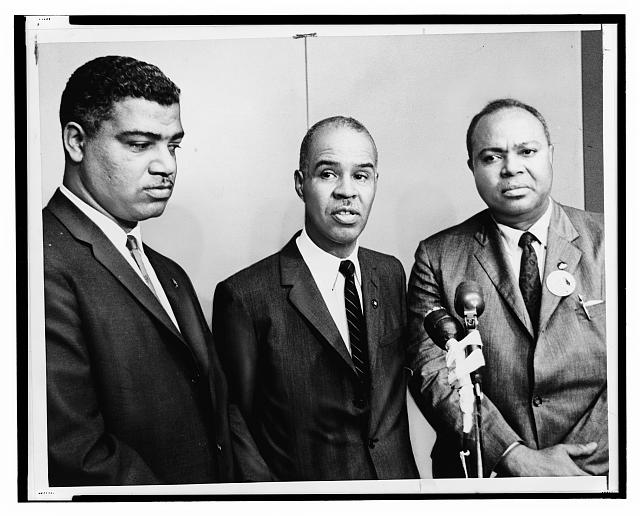
What Was the NAACP?
The National Association for the Advancement of Colored People, founded to fight racial inequality through legal action, education, and advocacy, becoming the most influential civil rights organization in American history.
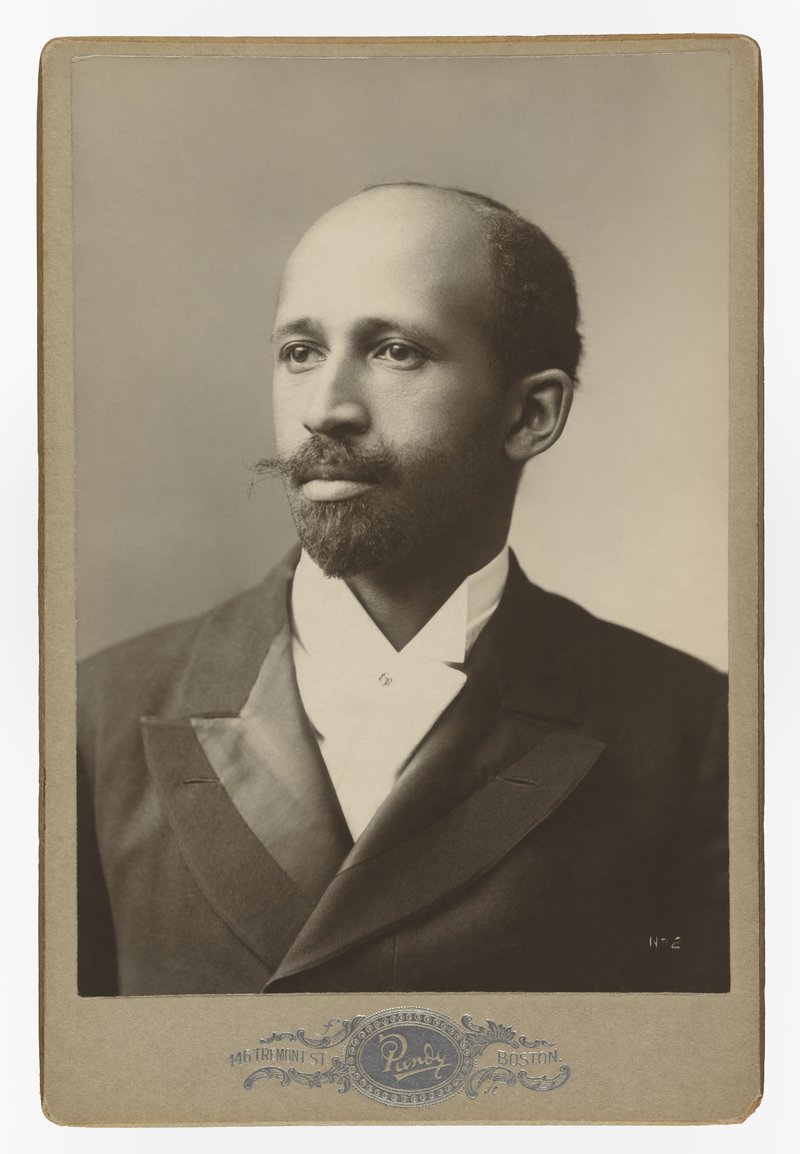
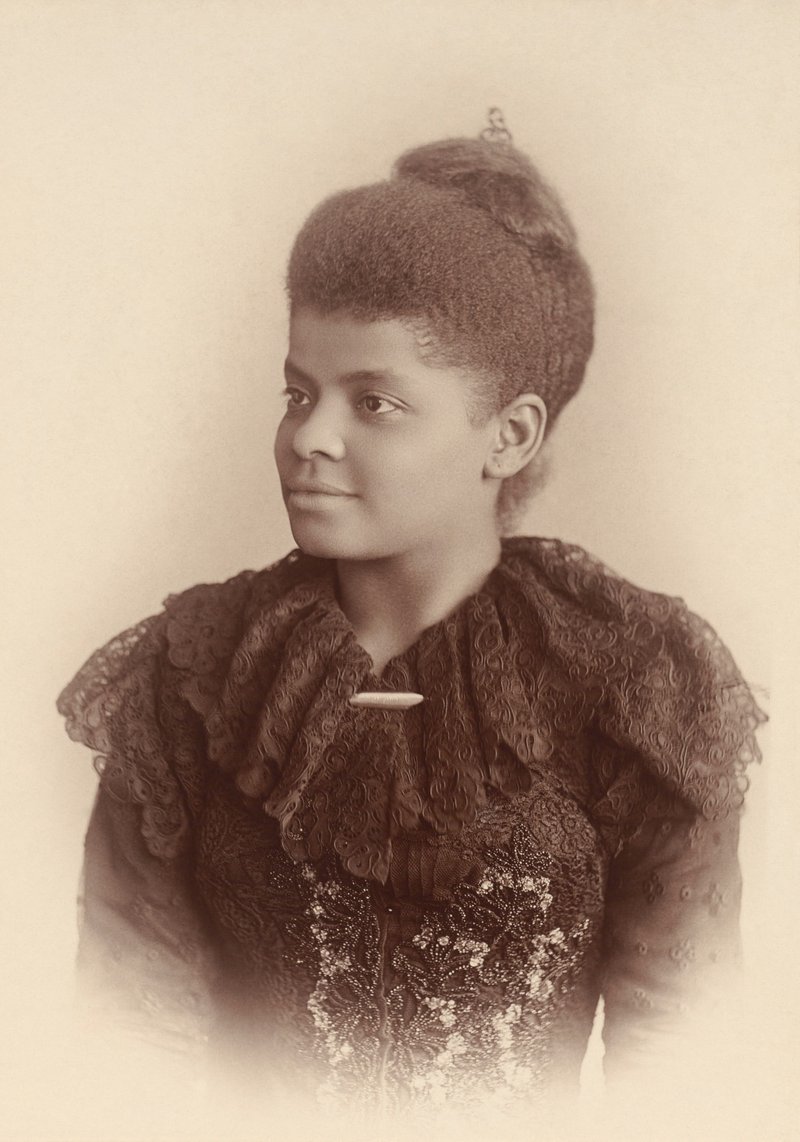
The National Association for the Advancement of Colored People — the NAACP — is the oldest and largest civil rights organization in the United States. Founded on February 12, 1909, on the 100th anniversary of Abraham Lincoln's birth, the NAACP was created by a diverse coalition of Black activists and white progressives who were horrified by the racial violence sweeping the nation. Among its key founders were scholar W.E.B. Du Bois, journalist and anti-lynching crusader Ida B. Wells, and social reformers Mary White Ovington and Oswald Garrison Villard. For more than a century, the NAACP has fought racial injustice on every front. W.E.B. Du Bois founded and edited The Crisis, the NAACP's magazine, which became one of the most influential Black publications in American history. The organization filed more than 50 anti-lynching bills in Congress over decades — never passing one, but building relentless public pressure against racial terror. Thurgood Marshall led the NAACP Legal Defense Fund and argued the landmark Brown v. Board of Education case before the Supreme Court in 1954, which declared school segregation unconstitutional. The NAACP helped organize the 1963 March on Washington. Rosa Parks, one of the most celebrated figures in civil rights history, was the secretary of the Montgomery, Alabama NAACP chapter. Medgar Evers served as a key Mississippi NAACP leader before his assassination in 1963. Today, the NAACP continues its work through legal advocacy, legislation, community organizing, and education. Its record of persistence across more than 115 years makes it one of the most consequential organizations in the history of American democracy.
Founding Story
The NAACP was founded in the shadow of racial terror. In August 1908, a deadly race riot erupted in Springfield, Illinois — Abraham Lincoln's hometown and a northern city that many believed was beyond such violence. The riot shocked the nation. Two Black men were lynched, dozens of homes were burned, and thousands of Black residents fled the city. Social reformer Mary White Ovington read about the riot and was determined to organize a response. Overington reached out to progressive journalist Oswald Garrison Villard — grandson of abolitionist William Lloyd Garrison — and together they began organizing a national conference on civil rights. They invited W.E.B. Du Bois, who was already leading the Niagara Movement, and Ida B. Wells, the nation's foremost anti-lynching activist. The conference was held on February 12, 1909 — the centennial of Lincoln's birth. From that gathering, the NAACP was formally established. Du Bois became the organization's director of research and publicity and founded The Crisis magazine in 1910. The NAACP's founding represented a merger of Black radical tradition — represented by Du Bois and the Niagara Movement — with white progressive reform. It was a coalition built on the conviction that the promise of the 14th and 15th Amendments must be enforced, and that a multiracial organization could fight more powerfully than any single community acting alone.
Major Achievements
Watch and Learn
Did You Know?
Rosa Parks Was the NAACP Secretary
Before her famous 1955 bus arrest, Rosa Parks served as secretary of the Montgomery, Alabama NAACP chapter — her arrest was not a random act but connected to her years of organized civil rights work.
Thurgood Marshall Later Became a Supreme Court Justice
Thurgood Marshall, who argued Brown v. Board of Education for the NAACP, went on to become the first African American justice on the United States Supreme Court in 1967.
The NAACP Filed Over 50 Anti-Lynching Bills
The NAACP filed more than 50 anti-lynching bills in Congress over decades. Congress did not pass a federal anti-lynching law until 2022 — the Emmett Till Antilynching Act.
The Crisis Published Harlem Renaissance Writers
W.E.B. Du Bois's Crisis magazine published early works by Langston Hughes, Countee Cullen, and other Harlem Renaissance writers, helping launch one of the greatest creative movements in American literary history.
Founded on Lincoln's 100th Birthday
The NAACP was officially founded on February 12, 1909 — the 100th anniversary of Abraham Lincoln's birth — a deliberate choice connecting the organization to the unfinished promise of emancipation.
Ida B. Wells Was a Founding Member
Ida B. Wells — the nation's foremost anti-lynching activist — was one of the NAACP's founding members, bringing her unmatched investigative reporting and moral authority to the new organization.
Key Leaders & Figures
The people who shaped this organization and its mission.
Key Events
Landmark events connected to this organization.
February 12, 1909
Founding of the NAACP
The National Association for the Advancement of Colored People was founded to fight racial inequality through legal action, education, and advocacy.
May 17, 1954
Brown v. Board of Education
The Supreme Court unanimously ruled that racial segregation in public schools was unconstitutional, overturning the 'separate but equal' doctrine and sparking the modern civil rights movement.
Related Organizations
Other organizations and movements connected to this story.
1905–1910
Niagara Movement
A civil rights group founded by W.E.B. Du Bois and William Monroe Trotter that demanded full civil liberties and an end to racial discrimination, paving the way for the NAACP.
1957–Present
Southern Christian Leadership Conference
Led by Martin Luther King Jr., the SCLC coordinated nonviolent protests across the South, including the Birmingham Campaign and the March on Washington.
1960–1970s
Student Nonviolent Coordinating Committee
A youth-led civil rights organization that organized sit-ins, voter registration drives, and Freedom Rides, giving young people a powerful voice in the fight for equality.
Want to teach this organization? We've done the work for you.
NAACP Complete Teaching Bundle
Lesson Plan
Comprehensive lesson plan covering the organization's founding, mission, key leaders, and lasting impact.
Student Workbook
Interactive workbook with reading passages, timeline activities, leadership analysis, and a quiz.
Flashcard Set
40 cards covering vocabulary, key facts, leaders, achievements, and review challenges.
Instant digital download · Printable PDF · Grades 4–8 · Verified accurate
Here's a peek inside...
📖 Lesson Plan
📝 Student Workbook
Read the passage about the NAACP and answer the questions below.
🃏 Flashcard Set - Click to Flip!
Click the card to flip it
Get a Free Sample
Try before you buy! Enter your email to receive a free sampler with flashcards, activities, and a lesson plan excerpt. No spam, just history.