Rosa Parks
February 4, 1913–October 24, 2005
Civil rights activist whose refusal to give up her bus seat sparked the Montgomery Bus Boycott and helped end segregation.
View Teaching Bundle →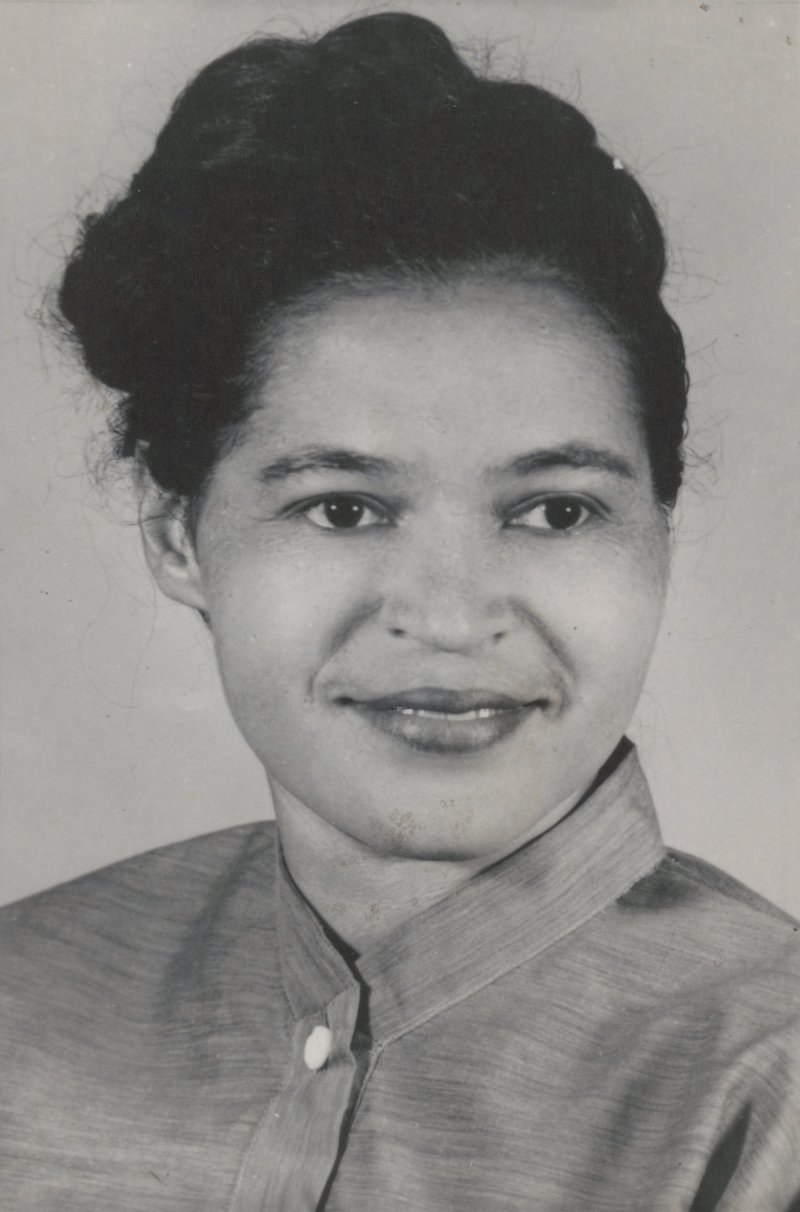
Who Was Rosa Parks?
Civil rights activist whose refusal to give up her bus seat sparked the Montgomery Bus Boycott and helped end segregation.
Rosa Louise McCauley was born on February 4, 1913, in Tuskegee, Alabama. She grew up in a time when laws in the South forced Black people and white people to use separate schools, restaurants, water fountains, and even sections of the bus. Rosa attended a one-room schoolhouse and later the Montgomery Industrial School for Girls, where teachers encouraged self-worth. She married Raymond Parks in 1932, a barber who was active in the civil rights movement. Together, they worked with the NAACP, where Rosa served as secretary of the Montgomery chapter.
On December 1, 1955, Rosa Parks was riding the bus home from work in Montgomery, Alabama. When the bus driver ordered her to give up her seat to a white passenger, she quietly refused. She was arrested and fined. Her arrest sparked the Montgomery Bus Boycott, a 381-day protest organized by Dr. Martin Luther King Jr. and the Montgomery Improvement Association. About 40,000 Black residents refused to ride city buses, walking miles to work or organizing carpools instead. The boycott ended on December 20, 1956, when the Supreme Court ruled that bus segregation was unconstitutional.
"I have learned over the years that when one's mind is made up, this diminishes fear."- Rosa Parks, From her autobiography, Quiet Strength
After the boycott, Parks and her husband moved to Detroit, Michigan, where she continued her civil rights work. She worked for Congressman John Conyers from 1965 to 1988. In 1999, she was awarded the Congressional Gold Medal, the highest civilian honor in the United States. When she died on October 24, 2005, she became the first woman and the second non-government official to lie in honor at the U.S. Capitol. Rosa Parks is often called 'the Mother of the Civil Rights Movement.' Her simple act of courage showed that one person's decision to stand up, by sitting down, can change the world.
Key Events in Rosa Parks's Life
Watch and Learn
Learn more about the life and legacy of Rosa Parks.
Did You Know?
Rosa Parks was not the first person to refuse to give up a bus seat. Claudette Colvin, a 15-year-old, did the same thing nine months earlier. But civil rights leaders chose Parks as the face of the movement because of her excellent reputation.
Parks was trained in nonviolent resistance at the Highlander Folk School in Tennessee just months before her famous arrest.
She was fired from her job as a seamstress after the boycott and received death threats for years.
In 2005, she became the first woman to lie in honor in the U.S. Capitol Rotunda. Over 50,000 people paid their respects.
Test Your Knowledge
How well do you know Rosa Parks? Take this quick 5-question quiz!
Want to teach this story? We've done the work for you.
Rosa Parks Complete Teaching Bundle
Lesson Plan
8-page comprehensive lesson plan with learning objectives, activities, and assessment. Differentiation included.
Student Workbook
12-section interactive workbook with reading passages, activities, quizzes, and a completion certificate.
Flashcard Set
40 cards across 6 categories: vocabulary, key facts, events, quotes, fun facts, and review challenges.
Instant digital download · Printable PDF · Grades 4–8 · Verified accurate
Here's a peek inside...
📖 Lesson Plan
📝 Student Workbook
Read the passage about Rosa Parks and answer the questions below.
🃏 Flashcard Set - Click to Flip!
Click the card to flip it
Get a Free Sample
Try before you buy! Enter your email to receive a free 2-page sample from the Rosa Parks lesson plan. No spam, just history.
Who Is This For?
Teachers
Save hours of lesson planning. Print-ready materials with learning objectives, differentiation notes, and assessment tools built in.
Parents
Supplement your child's education with accurate, engaging resources. Perfect for homeschooling or enrichment at home.
Students
Fun flashcards, hands-on activities, and creative projects that make learning history exciting and memorable.
You Might Also Like
Martin Luther King Jr.
1929–1968
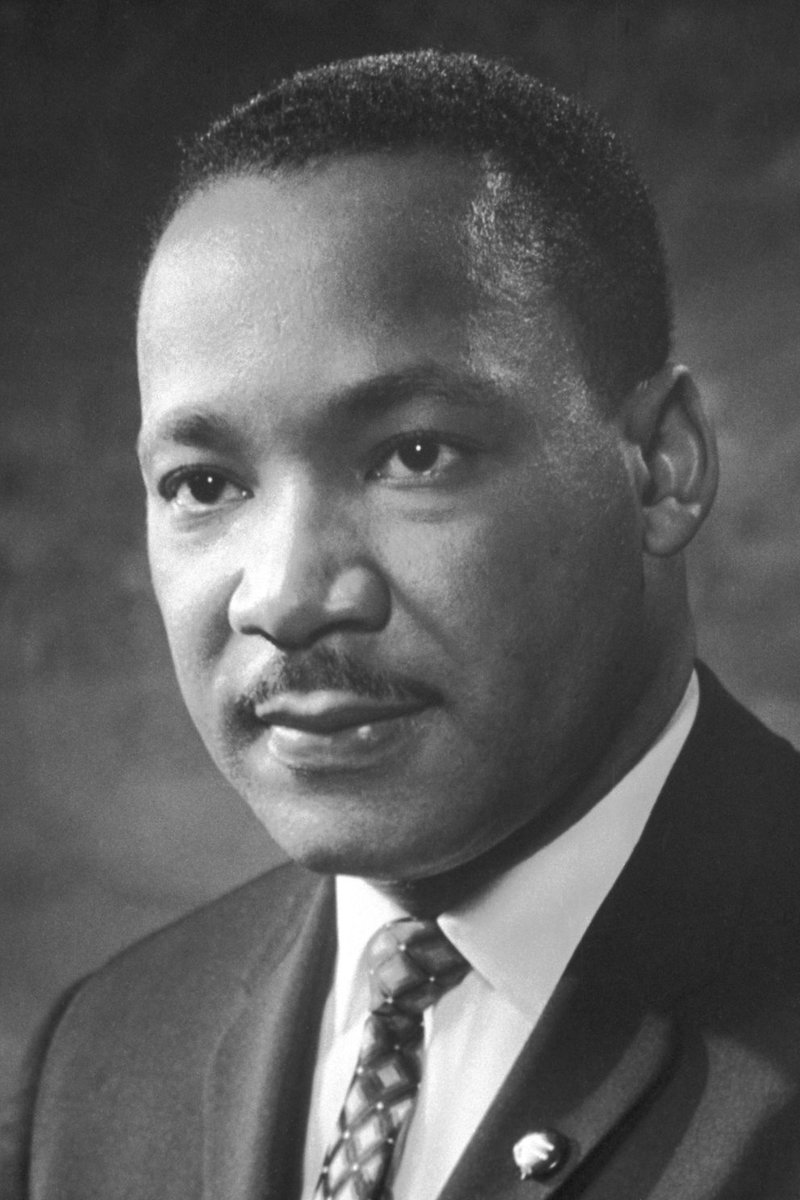
Baptist minister and civil rights leader who led the movement for racial equality through nonviolent protest.
Harriet Tubman
March 1822–1913
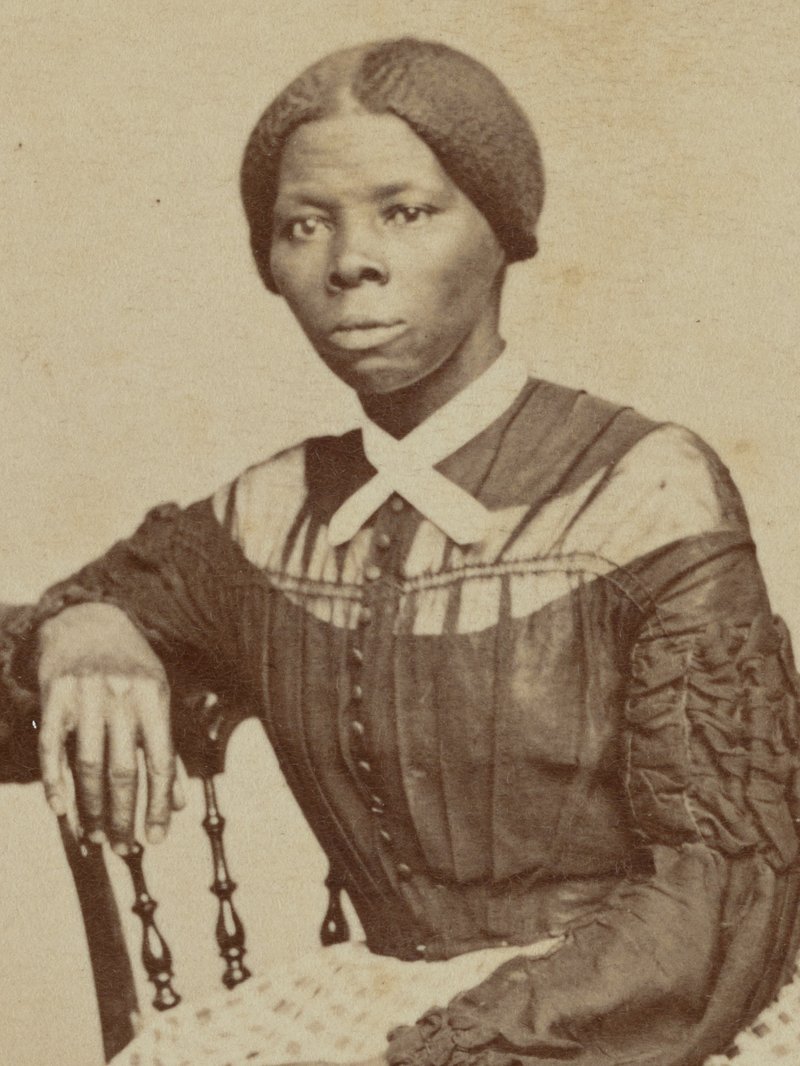
Escaped enslaved woman who became the most famous conductor on the Underground Railroad, leading over 70 people to freedom.
Ida B. Wells
1862–1931
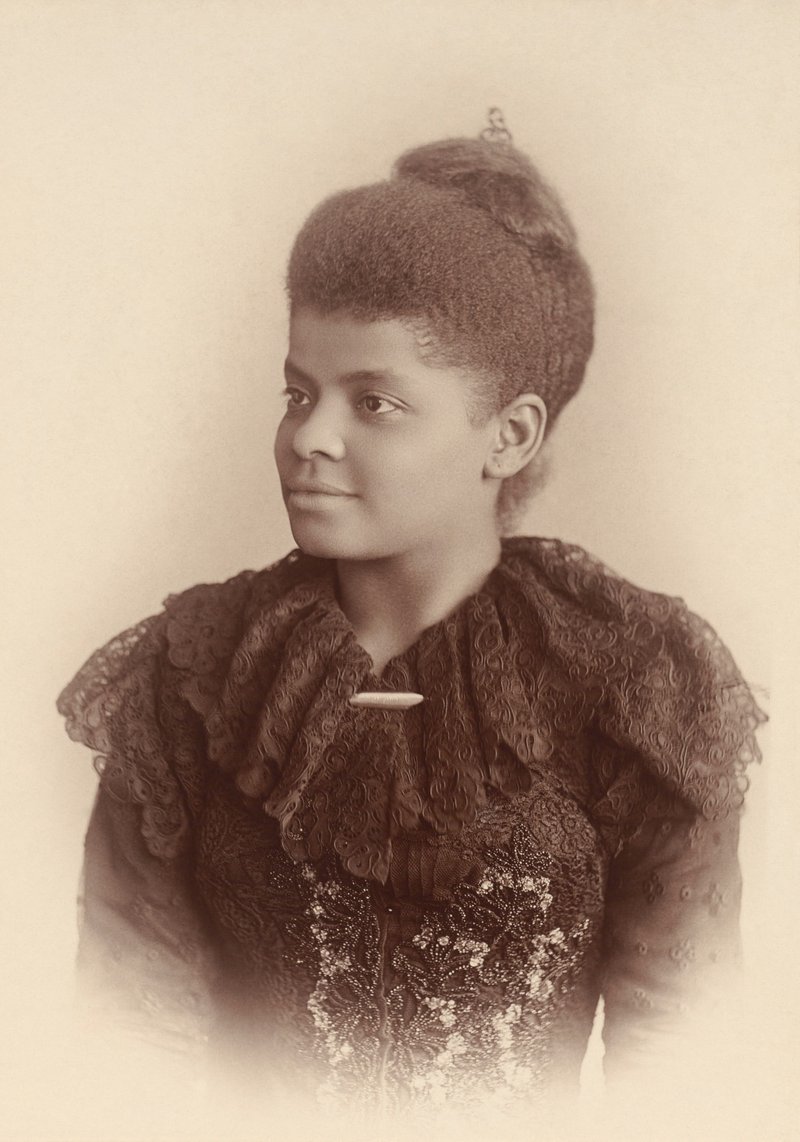
Fearless journalist and activist who led a national crusade against lynching and co-founded the NAACP.