The Civil Rights Movement
The organized movement to end racial segregation and discrimination against Black Americans through nonviolent protest and legal action.
View Teaching Bundle →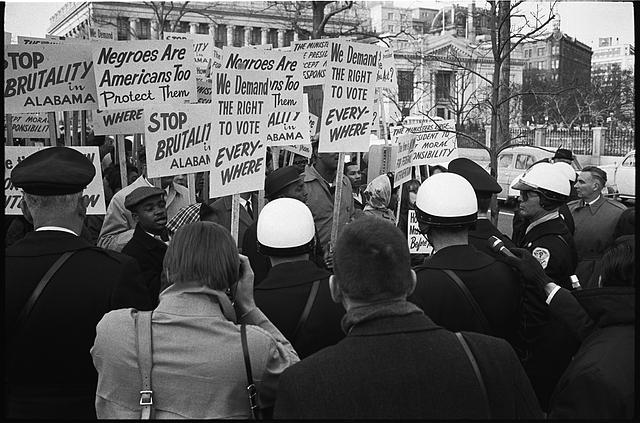
What Was the The Civil Rights Movement?
The organized movement to end racial segregation and discrimination against Black Americans through nonviolent protest and legal action.
The Civil Rights Movement was one of the most important chapters in American history. From 1954 to 1968, Black Americans and their allies organized, marched, and fought for the rights and freedoms promised to all citizens under the Constitution. For decades, laws known as Jim Crow had kept Black people separated from white people in schools, restaurants, buses, and nearly every part of public life, especially in the South. The movement to change these unjust laws took many forms. Lawyers argued landmark cases before the Supreme Court. Students sat down at segregated lunch counters and refused to leave. Thousands of people marched through the streets of Birmingham, Selma, and Washington, D.C. Freedom Riders boarded buses to challenge segregation in interstate travel. Throughout it all, leaders like Dr. Martin Luther King Jr. called for nonviolent resistance, inspired by Mahatma Gandhi. Organizations such as the NAACP, the Southern Christian Leadership Conference (SCLC), the Student Nonviolent Coordinating Committee (SNCC), and the Congress of Racial Equality (CORE) brought people together from all walks of life. Their courage led to groundbreaking laws including the Civil Rights Act of 1964, the Voting Rights Act of 1965, and the Fair Housing Act of 1968. The movement proved that ordinary people, standing together with determination and dignity, could transform an entire nation.
Key Events
Watch and Learn
Did You Know?
Children Led the Way in Birmingham
In May 1963, thousands of young people in Birmingham, Alabama — some as young as 6 years old — marched for civil rights in what became known as the Children's Crusade. Their courage shocked the nation and helped lead to the Civil Rights Act of 1964.
The Greensboro Four Were College Freshmen
The four students who started the Greensboro sit-in on February 1, 1960, were all freshmen at North Carolina A&T State University. Within two months, sit-in protests had spread to 55 cities in 13 states.
The March on Washington Was a Musical Event Too
The 1963 March on Washington featured performances by famous musicians including Mahalia Jackson, Bob Dylan, Joan Baez, and Marian Anderson. It was Mahalia Jackson who called out to Dr. King during his speech, 'Tell them about the dream, Martin!' prompting the famous unscripted portion of his address.
Jackie Robinson Broke Barriers Before the Movement Began
When Jackie Robinson became the first Black player in Major League Baseball in 1947, he showed millions of Americans that integration could work. His bravery on and off the field helped set the stage for the broader civil rights movement that followed.
Rosa Parks Was a Trained Activist
Rosa Parks was not simply a tired woman who refused to move — she was a longtime civil rights activist. She had served as secretary of the Montgomery NAACP and attended training at the Highlander Folk School in Tennessee before her famous act of resistance on December 1, 1955.
Historical Images
Primary sources from the The Civil Rights Movement era
[African American demonstrators outside the White House, with signs "We demand the right to vote, everywhere" and signs protesting police brutality against civil rights demonstrators in Selma, Alabama]
Source: Library of Congress No known restrictions (LOC)
![[Several rows of civil rights activists, many holding hands, march down Chicago's Balboa Drive to protest school segregation]](/images/eras/civil-rights-movement/civil-rights-movement-02.jpg)
[Several rows of civil rights activists, many holding hands, march down Chicago's Balboa Drive to protest school segregation]
Source: Library of Congress No known restrictions (LOC)
![[Firemen turn their hoses on civil rights protesters, Birmingham, Alabama, 1963]](/images/eras/civil-rights-movement/civil-rights-movement-03.jpg)
[Firemen turn their hoses on civil rights protesters, Birmingham, Alabama, 1963]
Source: Library of Congress No known restrictions (LOC)
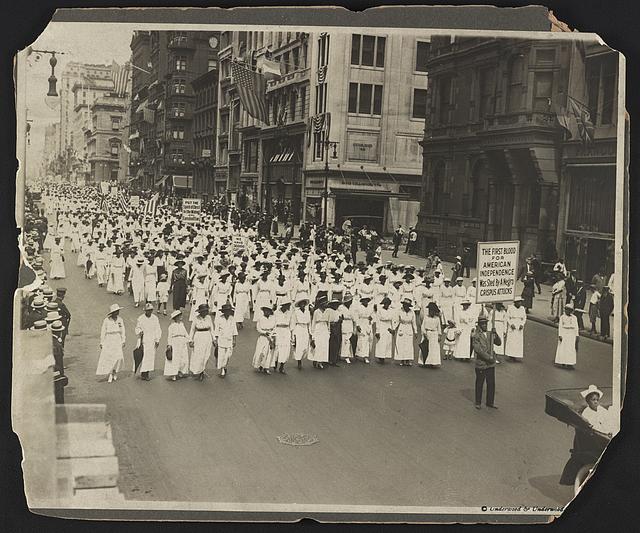
NAACP photographs of civil rights marches, demonstrations, and lobbying activities to promote civil rights legislation at the national and local levels
Source: Library of Congress No known restrictions (LOC)
![[Participants, some carrying American flags, marching in the civil rights march from Selma to Montgomery, Alabama in 1965]](/images/eras/civil-rights-movement/civil-rights-movement-05.jpg)
[Participants, some carrying American flags, marching in the civil rights march from Selma to Montgomery, Alabama in 1965]
Source: Library of Congress No known restrictions (LOC)
Key Figures of The Civil Rights Movement
The people who shaped this era.
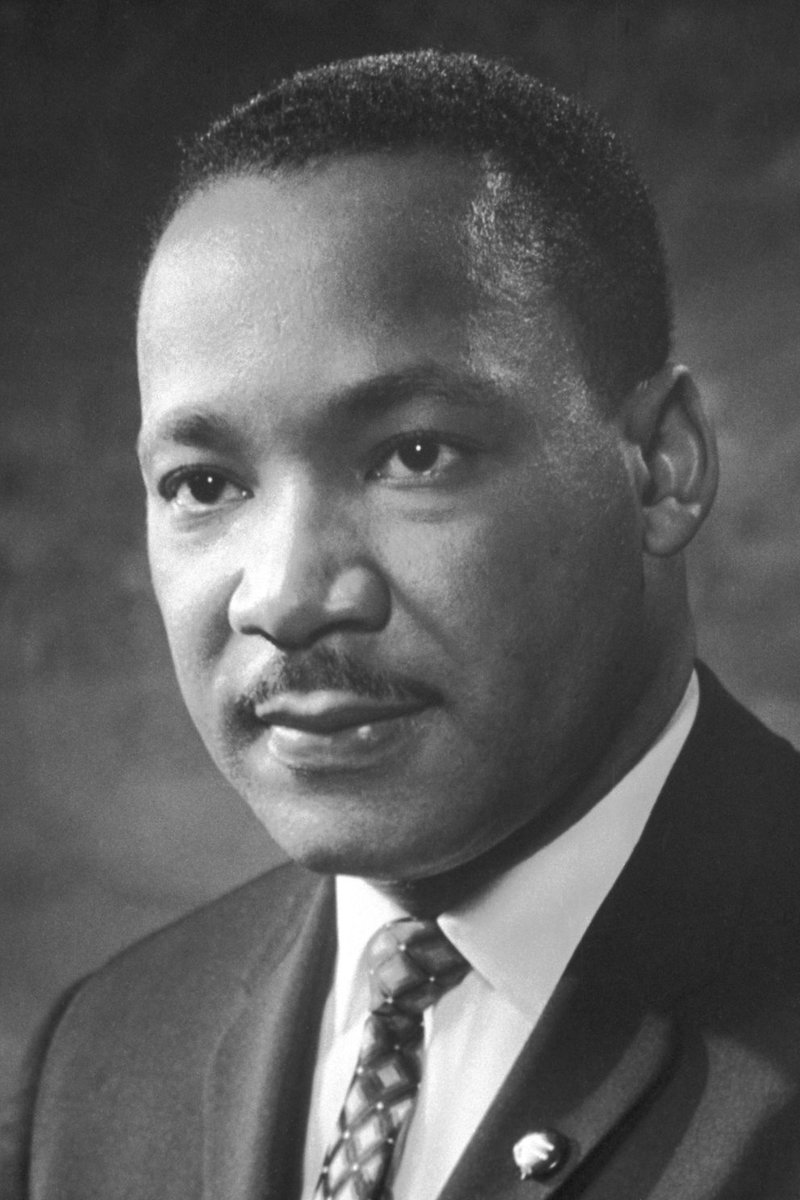
Martin Luther King Jr.
1929–1968
Baptist minister and civil rights leader who led the movement for racial equality through nonviolent protest.
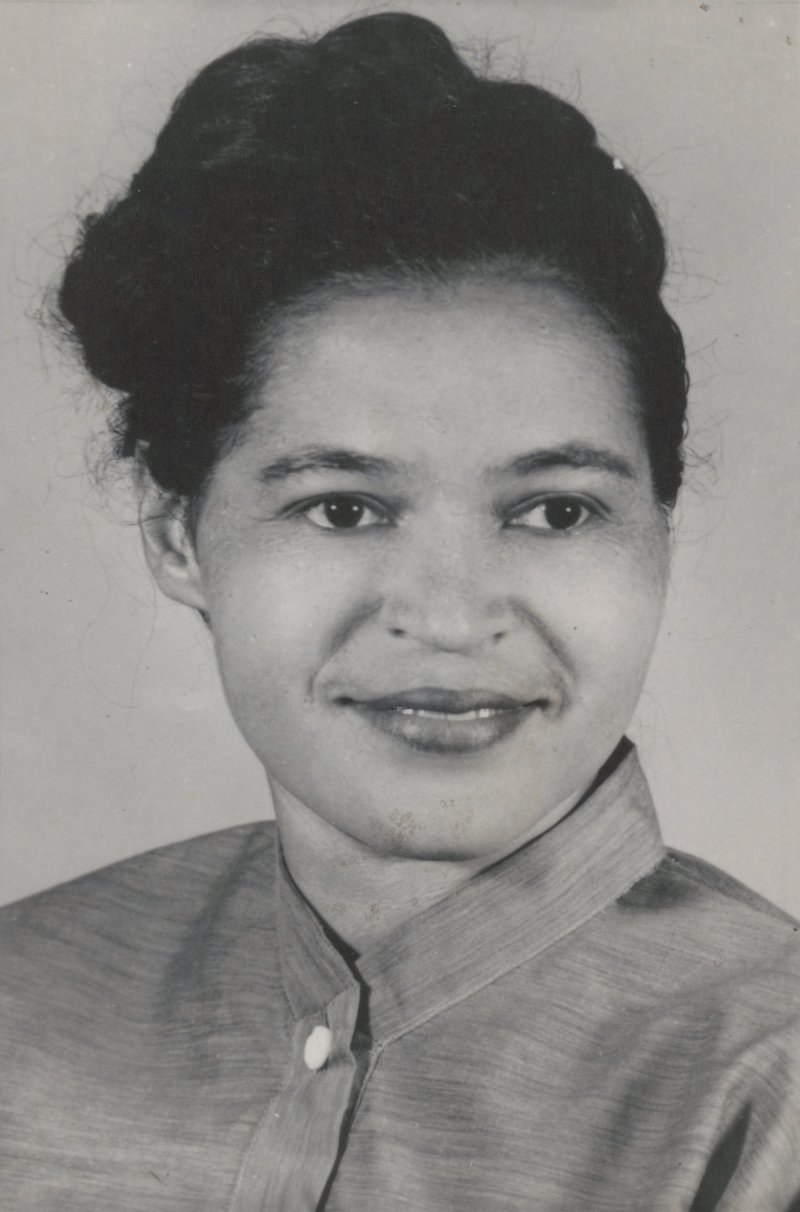
Rosa Parks
1913–2005
Civil rights activist whose refusal to give up her bus seat sparked the Montgomery Bus Boycott and helped end segregation.
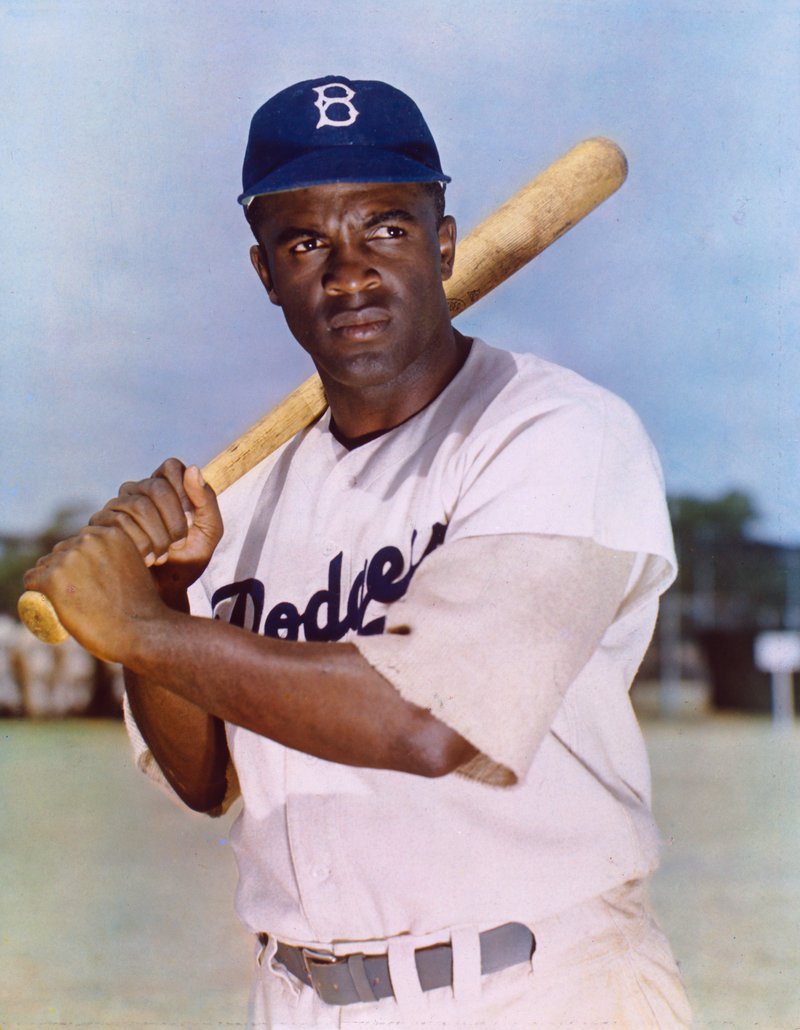
Jackie Robinson
1919–1972
Broke baseball's color barrier in 1947 as the first Black player in Major League Baseball, paving the way for integration in sports.
Want to teach this era? We've done the work for you.
The Civil Rights Movement Complete Teaching Bundle
Lesson Plan
Comprehensive lesson plan covering the full era with learning objectives, activities, and assessment.
Student Workbook
Interactive workbook with reading passages, timeline activities, primary source analysis, and a quiz.
Flashcard Set
40 cards covering vocabulary, key facts, events, important people, and review challenges.
Instant digital download · Printable PDF · Grades 4–8 · Verified accurate
Here's a peek inside...
📖 Lesson Plan
📝 Student Workbook
Read the passage about The Civil Rights Movement and answer the questions below.
🃏 Flashcard Set - Click to Flip!
Click the card to flip it
Get a Free Sample
Try before you buy! Enter your email to receive a free sampler with flashcards, activities, and a lesson plan excerpt. No spam, just history.
Go Deeper: Individual Figure Bundles
Each figure from this era has their own complete teaching bundle.
Martin Luther King Jr.
Complete teaching bundle: lesson plan, workbook, and 40-card flashcard set.
View Bundle →Rosa Parks
Complete teaching bundle: lesson plan, workbook, and 40-card flashcard set.
View Bundle →Jackie Robinson
Complete teaching bundle: lesson plan, workbook, and 40-card flashcard set.
View Bundle →