Frederick Douglass
February 1818–February 20, 1895
Escaped slavery to become one of the most powerful voices against slavery in American history through his writing and speeches.
View Teaching Bundle →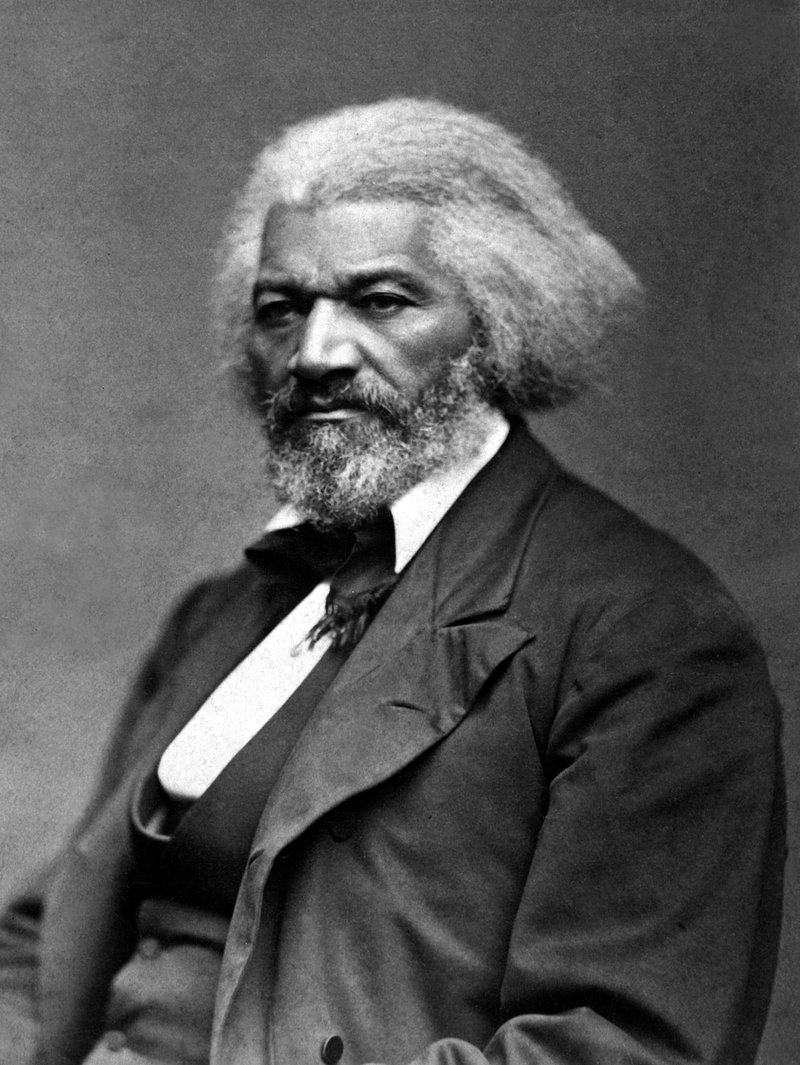
Who Was Frederick Douglass?
Escaped slavery to become one of the most powerful voices against slavery in American history through his writing and speeches.
Frederick Douglass was born Frederick Augustus Washington Bailey in February 1818 in Talbot County, Maryland. He never knew his exact birth date. Separated from his mother as an infant, he was raised by his grandmother. At age 8, he was sent to Baltimore, where the wife of his enslaver began teaching him the alphabet. When her husband forbade it, saying literacy would make an enslaved person unfit for slavery, young Frederick realized that education was the path to freedom. He secretly taught himself to read and write, trading bread to white children in the neighborhood in exchange for lessons.
In 1838, at age 20, Douglass escaped slavery by disguising himself as a free Black sailor and boarding a train to New York. He settled in New Bedford, Massachusetts, and took the last name Douglass. In 1841, he gave his first public speech at an anti-slavery convention, and his powerful words stunned the audience. He became a leading voice for the American Anti-Slavery Society. In 1845, he published his autobiography, Narrative of the Life of Frederick Douglass, which became a bestseller and proved that an enslaved person could be as intelligent and eloquent as any white person. He founded The North Star newspaper in 1847, using it to argue for abolition and equal rights.
"Once you learn to read, you will be forever free."- Frederick Douglass, Reflecting on the power of literacy
During the Civil War, Douglass advised President Abraham Lincoln and helped recruit Black soldiers for the Union Army, including the famous 54th Massachusetts Regiment. After the war, he continued fighting for civil rights during Reconstruction. He served as U.S. Marshal for the District of Columbia and as Minister to Haiti. Douglass was the most photographed American of the 19th century. He deliberately used photography to present a dignified image of Black Americans. He died on February 20, 1895. His life story, from enslaved child to advisor to presidents, remains one of the most remarkable in American history.
Key Events in Frederick Douglass's Life
Watch and Learn
Learn more about the life and legacy of Frederick Douglass.
Did You Know?
Douglass taught himself to read by trading bread to neighborhood children for reading lessons when he was about 12 years old.
He was the most photographed American of the 19th century... even more than Abraham Lincoln. He sat for at least 160 photographs.
Douglass escaped slavery by borrowing a free Black sailor's identification papers and dressing in a sailor's uniform. The entire escape took less than 24 hours.
He was the first African American nominated for Vice President of the United States, receiving one vote at the 1872 Equal Rights Party convention.
Test Your Knowledge
How well do you know Frederick Douglass? Take this quick 5-question quiz!
Want to teach this story? We've done the work for you.
Frederick Douglass Complete Teaching Bundle
Lesson Plan
8-page comprehensive lesson plan with learning objectives, activities, and assessment. Differentiation included.
Student Workbook
12-section interactive workbook with reading passages, activities, quizzes, and a completion certificate.
Flashcard Set
40 cards across 6 categories: vocabulary, key facts, events, quotes, fun facts, and review challenges.
Instant digital download · Printable PDF · Grades 4–8 · Verified accurate
Here's a peek inside...
📖 Lesson Plan
📝 Student Workbook
Read the passage about Frederick Douglass and answer the questions below.
🃏 Flashcard Set - Click to Flip!
Click the card to flip it
Get a Free Sample
Try before you buy! Enter your email to receive a free 2-page sample from the Frederick Douglass lesson plan. No spam, just history.
Who Is This For?
Teachers
Save hours of lesson planning. Print-ready materials with learning objectives, differentiation notes, and assessment tools built in.
Parents
Supplement your child's education with accurate, engaging resources. Perfect for homeschooling or enrichment at home.
Students
Fun flashcards, hands-on activities, and creative projects that make learning history exciting and memorable.
You Might Also Like
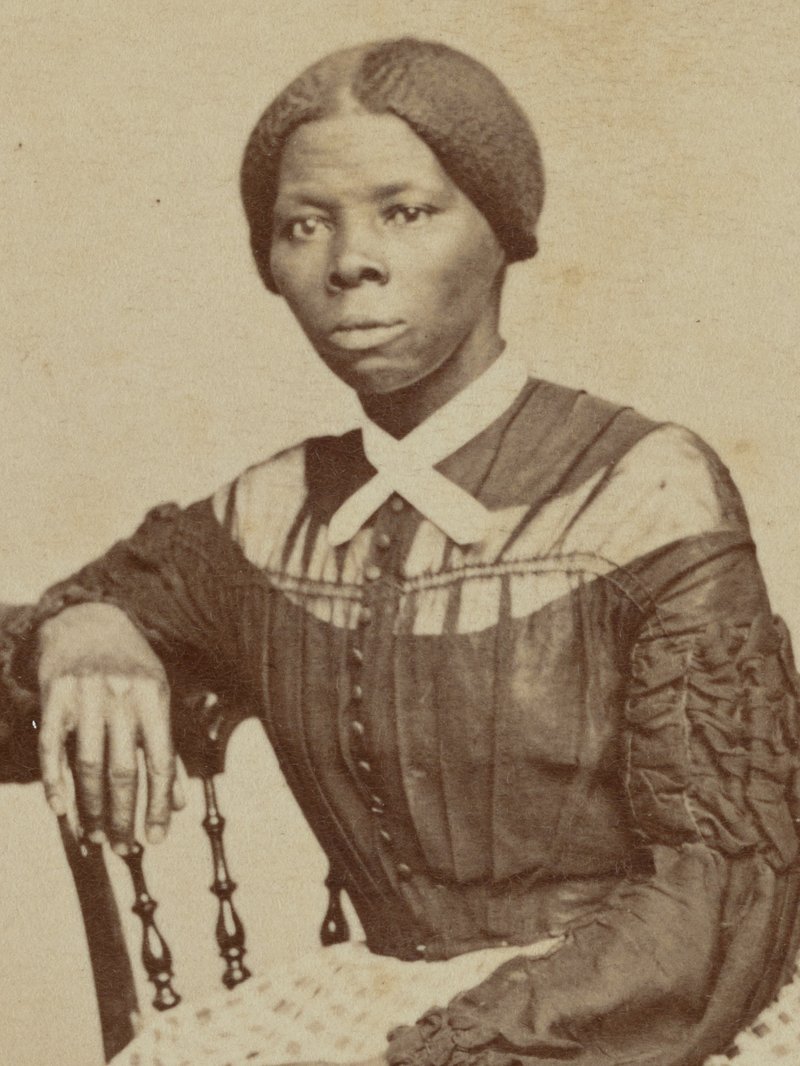
Harriet Tubman
March 1822–1913
Escaped enslaved woman who became the most famous conductor on the Underground Railroad, leading over 70 people to freedom.
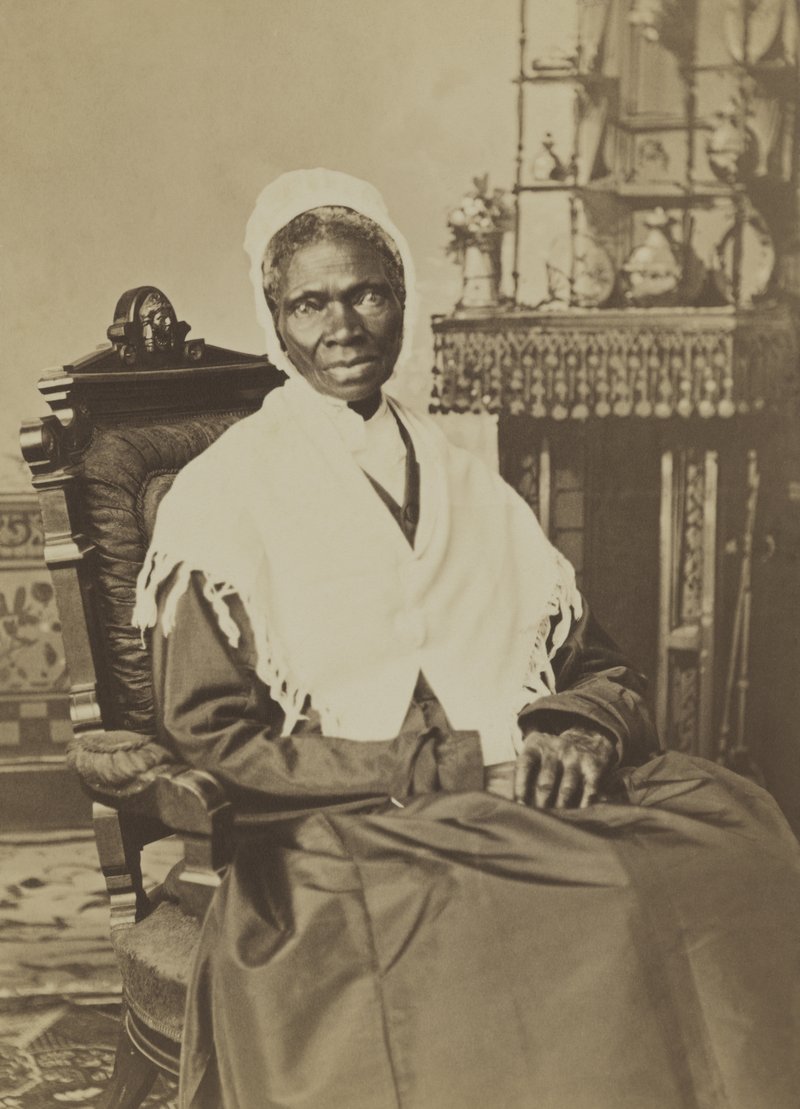
Sojourner Truth
1797–1883
Formerly enslaved woman who became one of the most powerful voices for abolition and women's rights in 19th-century America.
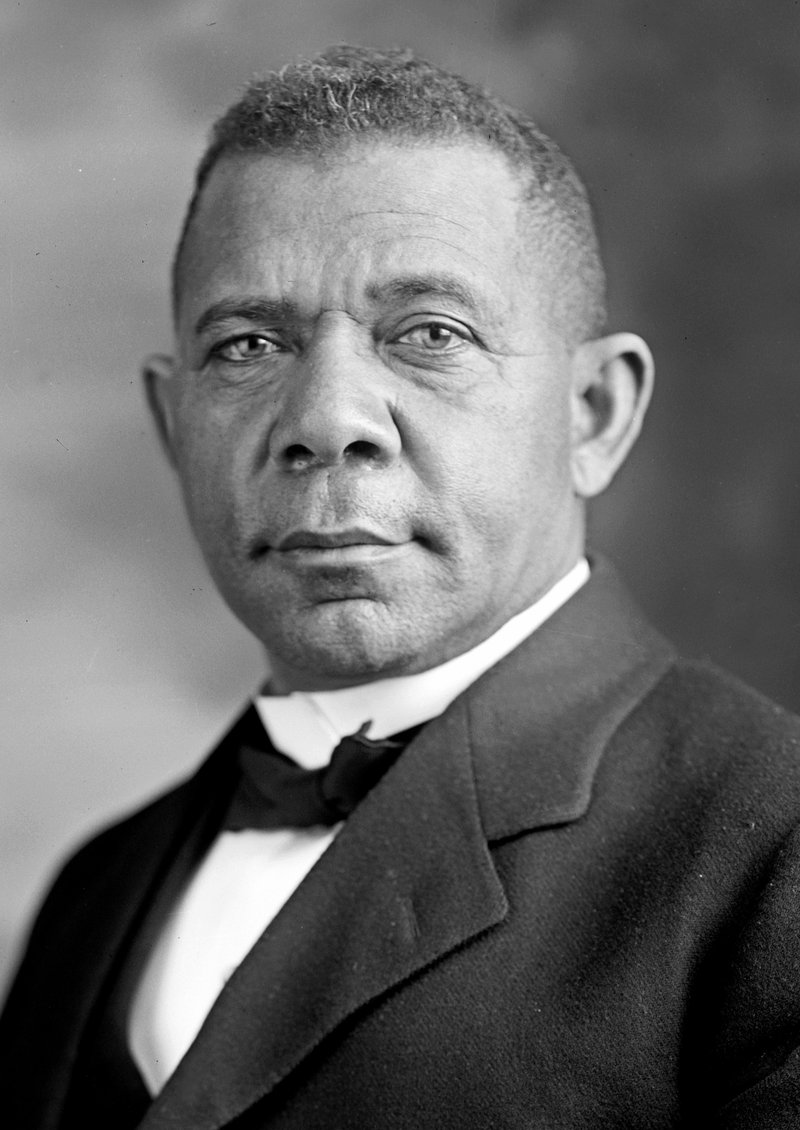
Booker T. Washington
1856–1915
Born into slavery, he became the most influential Black educator of his era and founded the Tuskegee Institute.