16th Street Baptist Church
A central meeting place for civil rights activists that was bombed by white supremacists on September 15, 1963, killing four young girls and galvanizing the nation.
View Teaching Bundle →
What Is 16th Street Baptist Church?
A central meeting place for civil rights activists that was bombed by white supremacists on September 15, 1963, killing four young girls and galvanizing the nation.
In Birmingham, Alabama, at the corner of 16th Street and 6th Avenue North, there is a church that stands as one of the most powerful symbols of courage in American history. The 16th Street Baptist Church was founded in 1873 and became one of Birmingham's most beloved Black churches — a place of worship, community, and in the early 1960s, a gathering place for the civil rights movement. The church's brick building, completed in 1911, was designed by Wallace Rayfield — one of the first Black licensed architects in the American South. Built in the Romanesque Revival style with two distinctive towers, it became a landmark of Birmingham's Black community. Its design was not accidental: a Black architect building a permanent, beautiful, lasting structure was itself a statement of dignity. In 1963, Birmingham was one of the most segregated cities in America. Civil rights leaders, including Dr. Martin Luther King Jr., launched a campaign there called Project C — for Confrontation. The 16th Street Baptist Church became the movement's headquarters. It was where marchers met, where strategies were discussed, and where the community found strength in song and prayer. Public Safety Commissioner Bull Connor ordered police to use fire hoses and police dogs against peaceful protesters, including children, in the streets nearby. Photographs of that violence shocked the world. Then, on September 15, 1963, a bomb planted by members of the Ku Klux Klan exploded during Sunday morning church services, killing four young girls: Addie Mae Collins, Cynthia Wesley, Carole Robertson, and Carol Denise McNair. The girls were between 11 and 14 years old. The bombing horrified the nation and galvanized support for civil rights legislation. The grief of that day helped push the Civil Rights Act of 1964 forward. The church was restored and reopened. A beautiful stained glass window of a Black Christ — with a cracked cheek representing the bombing — was donated by the people of Wales as a gift of solidarity. It watches over the congregation today. The 16th Street Baptist Church was designated a National Historic Landmark in 2006. It is open for tours and still an active place of worship. It is a sacred reminder that courage, faith, and community cannot be destroyed — even by the worst violence.
Historical Significance
The 16th Street Baptist Church holds a profound and painful place in American history. As both a civil rights organizing center and the site of a devastating act of racial violence, it stands at the intersection of courage and tragedy. The building itself was significant from its construction. Designed in 1911 by Wallace Rayfield — one of the first Black licensed architects in the South — the Romanesque Revival structure with its two towers was a permanent declaration that Birmingham's Black community was here, and that it built beautiful, lasting things. The 1963 Birmingham campaign demonstrated what nonviolent direct action could achieve — and the Birmingham movement's images of peaceful protesters facing violence galvanized national and international opinion. The church was at the center of this campaign as a sanctuary and meeting place. The September 15, 1963 bombing was one of the most shocking acts of racial terrorism in American history. The killing of four young girls at Sunday church services prompted outrage across the country, including from many who had been indifferent to civil rights. President Kennedy called it a deeply moving tragedy. The bombing helped accelerate the passage of the Civil Rights Act of 1964. The stained glass window donated by the people of Wales — depicting a Black Christ with a cracked cheek, symbolizing the bombing's wound — has become a symbol of international solidarity with the American civil rights movement. The church's story connects Birmingham's struggle to human dignity movements worldwide. In 2013, the United States Congress awarded a posthumous Congressional Gold Medal to the four girls — one of the nation's highest civilian honors. The four girls — Addie Mae Collins, Cynthia Wesley, Carole Robertson, and Carol Denise McNair — are remembered as martyrs of the civil rights movement. Their names are part of the moral reckoning of American history.
Key Events at This Place
Watch and Learn
Did You Know?
Four Girls, Four Names to Remember
The four girls killed in the bombing were Addie Mae Collins (14), Cynthia Wesley (14), Carole Robertson (14), and Carol Denise McNair (11). Each had a family, a future, and a name that history must never forget.
Designed by a Black Architect
The 1911 church building was designed by Wallace Rayfield, one of the first Black licensed architects in the American South. His Romanesque Revival design — with two tall towers — gave Birmingham's Black community a building that announced permanence and dignity.
A Window from Wales
The people of Wales donated a stained glass window to the restored church — depicting a Black Christ with a cracked cheek, representing the wound of the bombing. It was a powerful message: people across the ocean saw what happened in Birmingham and stood in solidarity.
A Congressional Gold Medal
In 2013, Congress awarded the Congressional Gold Medal posthumously to the four girls — Addie Mae Collins, Cynthia Wesley, Carole Robertson, and Carol Denise McNair. It is one of the highest civilian honors the United States can give.
Justice Took 38 Years
The first perpetrators of the 1963 bombing were not convicted until 1977 and 2001. Thomas Blanton and Bobby Frank Cherry were each convicted decades after the attack — proof that justice, though slow, persisted.
Children Led the March
In the spring of 1963, thousands of Black children as young as 6 walked out of school and marched from the church into Birmingham's streets to demand civil rights — one of the most remarkable acts of youth courage in American history.
Still an Active Church
The 16th Street Baptist Church is still an active place of worship today. Its congregation continues to gather, pray, and serve the community — 150 years after the church was founded.
Key Figures Connected to This Place
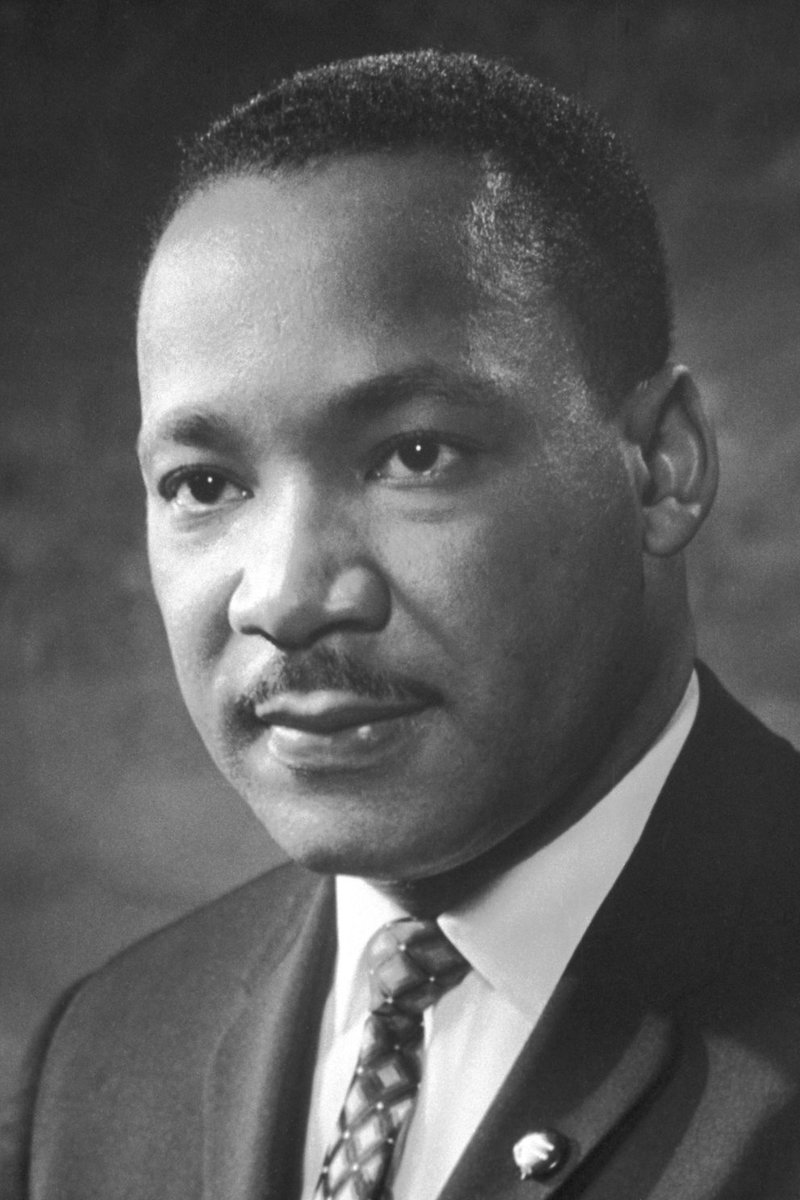
The people whose stories are tied to this historic location.
Events at This Place
Landmark events that happened at or are connected to this location.
September 15, 1963
16th Street Baptist Church Bombing
A bomb planted by white supremacists at the 16th Street Baptist Church in Birmingham, Alabama, killed four young girls and shocked the nation into supporting civil rights legislation.
July 2, 1964
Civil Rights Act Signed
President Lyndon B. Johnson signed the Civil Rights Act of 1964 into law, outlawing discrimination based on race, color, religion, sex, or national origin.
Related Places
Other important places in Black history.
Selma, Alabama
Edmund Pettus Bridge
The bridge where peaceful marchers were brutally attacked by police on 'Bloody Sunday' in 1965, an event that led directly to the passage of the Voting Rights Act.
Memphis, Tennessee
Lorraine Motel
The motel where Martin Luther King Jr. was assassinated on April 4, 1968, now home to the National Civil Rights Museum, preserving his legacy and the history of the movement.
Want to teach this place? We've done the work for you.
16th Street Baptist Church Complete Teaching Bundle
Lesson Plan
Comprehensive lesson plan covering the location's history, significance, key events, and lasting impact.
Student Workbook
Interactive workbook with reading passages, geography activities, then-and-now comparisons, and a quiz.
Flashcard Set
40 cards covering vocabulary, key facts, geography, historical context, and review challenges.
Instant digital download · Printable PDF · Grades 4–8 · Verified accurate
Here's a peek inside...
📖 Lesson Plan
📝 Student Workbook
Read the passage about 16th Street Baptist Church and answer the questions below.
🃏 Flashcard Set - Click to Flip!
Click the card to flip it
Get a Free Sample
Try before you buy! Enter your email to receive a free sampler with flashcards, activities, and a lesson plan excerpt. No spam, just history.