Lorraine Motel
The motel where Martin Luther King Jr. was assassinated on April 4, 1968, now home to the National Civil Rights Museum, preserving his legacy and the history of the movement.
View Teaching Bundle →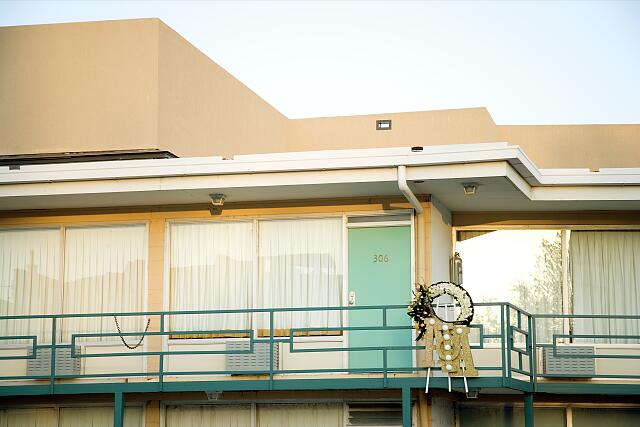
What Is Lorraine Motel?
The motel where Martin Luther King Jr. was assassinated on April 4, 1968, now home to the National Civil Rights Museum, preserving his legacy and the history of the movement.
The Lorraine Motel in Memphis, Tennessee is one of the most important landmarks in American history. The building began as the Windsor Hotel in the 1940s, before Walter Bailey and his wife Loree took it over and renamed it the Lorraine Motel — one of very few hotels in the South that would welcome Black guests. During the era of segregation, Black travelers, musicians, and civil rights leaders could stay there safely when most other hotels turned them away. Stars like Ray Charles, Otis Redding, Aretha Franklin, and Cab Calloway all walked through its doors. On April 4, 1968, tragedy struck this place. Dr. Martin Luther King Jr. was staying at the Lorraine Motel while in Memphis to support sanitation workers — Black garbage collectors who were striking for fair pay and safe working conditions. Dr. King stood on the second-floor balcony outside Room 306 when he was shot. He was only 39 years old. His death shocked the world and changed the civil rights movement forever. For decades after, the motel stood as a quiet memorial. Then in 1991, it was transformed into the National Civil Rights Museum — one of the most powerful museums in America. Today, visitors can see Room 306 preserved exactly as it was on April 4, 1968, walk through exhibits spanning 400 years of African American struggle for freedom, and leave understanding why Dr. King's life and legacy still matter. The Lorraine Motel reminds us that the fight for civil rights had real human costs — and that the courage it required was extraordinary.
Historical Significance
The Lorraine Motel holds two kinds of significance: it was a refuge of dignity during segregation, and it became a place of national mourning that accelerated the final push for civil rights legislation. As a Black-owned motel, the Lorraine gave African Americans a place of safety and welcome in a city — and a country — that often denied them basic dignity. It stood as proof that Black entrepreneurs created community infrastructure when the mainstream world shut them out. Dr. King's assassination at the Lorraine on April 4, 1968 sent shockwaves through the nation and the world. His death contributed to the passage of the Fair Housing Act just one week later, on April 11, 1968. The National Civil Rights Museum, which opened in 1991, transformed grief into education — making the motel a place where Americans of all backgrounds can confront the history of segregation and honor the people who fought to end it.
Key Events at This Place
Watch and Learn
Did You Know?
Named for a Person
The motel was named 'Lorraine' after Loree Bailey, the wife of owner Walter Bailey — a tribute to the woman who helped build one of the most important Black-owned hospitality businesses in the segregation-era South.
Stars Slept Here
Because segregation barred Black performers from most hotels, the Lorraine hosted legends including Cab Calloway, Ray Charles, Otis Redding, Aretha Franklin, and members of the Stax Records family.
The Strike That Brought King to Memphis
Dr. King came to Memphis to support striking sanitation workers — Black men who carried signs reading 'I AM A MAN' to assert their dignity. The strike succeeded after King's death: workers won union recognition.
Room 306 Is Frozen in Time
The museum preserved Room 306 exactly as it appeared on April 4, 1968 — with the same bedspreads, coffee cups, and newspapers. Visitors can look through the window and see the room as it was that day.
A Week That Changed America
Dr. King was killed on April 4, 1968. One week later, on April 11, the Fair Housing Act was signed into law. His death — tragic as it was — helped finally push Congress to act on civil rights.
Key Figures Connected to This Place
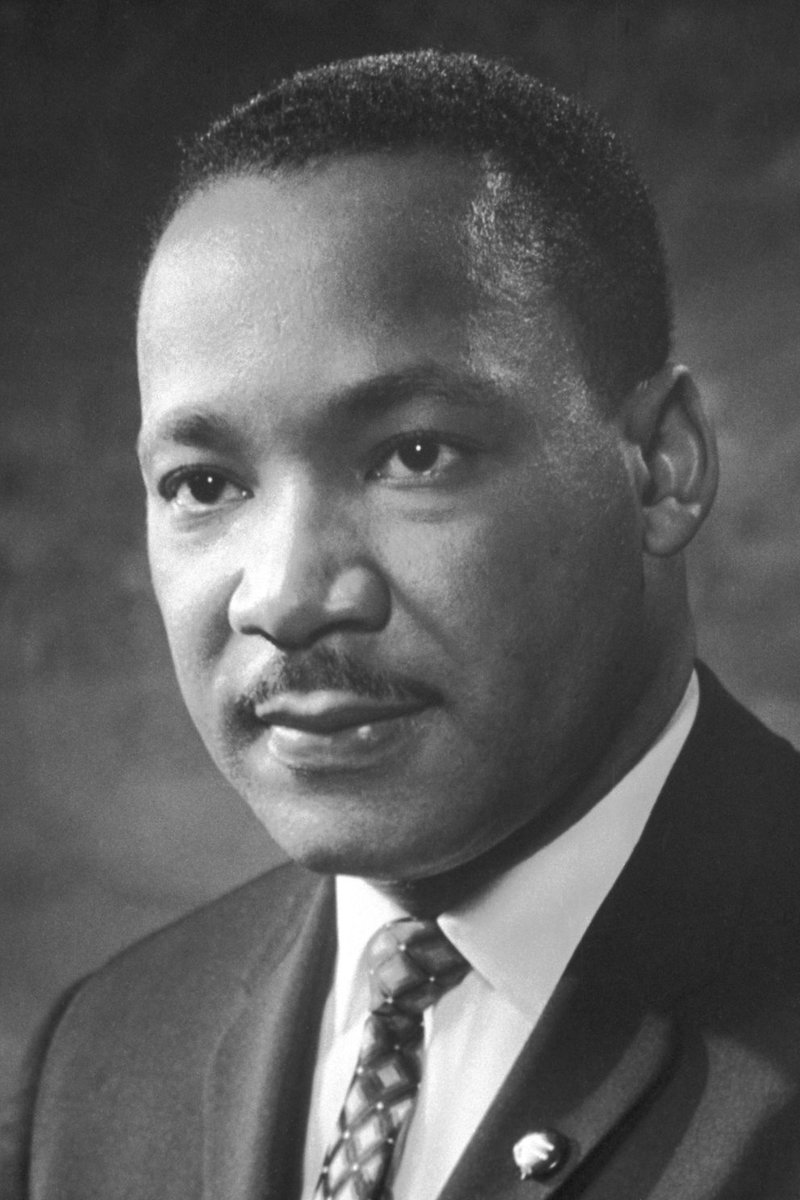
The people whose stories are tied to this historic location.
Events at This Place
Landmark events that happened at or are connected to this location.
Related Places
Other important places in Black history.
Birmingham, Alabama
16th Street Baptist Church
A central meeting place for civil rights activists that was bombed by white supremacists on September 15, 1963, killing four young girls and galvanizing the nation.
Washington, D.C.
National Museum of African American History & Culture
The newest Smithsonian museum, opened in 2016 on the National Mall, dedicated to telling the complete story of African American life, history, and culture.
Want to teach this place? We've done the work for you.
Lorraine Motel Complete Teaching Bundle
Lesson Plan
Comprehensive lesson plan covering the location's history, significance, key events, and lasting impact.
Student Workbook
Interactive workbook with reading passages, geography activities, then-and-now comparisons, and a quiz.
Flashcard Set
40 cards covering vocabulary, key facts, geography, historical context, and review challenges.
Instant digital download · Printable PDF · Grades 4–8 · Verified accurate
Here's a peek inside...
📖 Lesson Plan
📝 Student Workbook
Read the passage about Lorraine Motel and answer the questions below.
🃏 Flashcard Set - Click to Flip!
Click the card to flip it
Get a Free Sample
Try before you buy! Enter your email to receive a free sampler with flashcards, activities, and a lesson plan excerpt. No spam, just history.