Assassination of Martin Luther King Jr.
Martin Luther King Jr. was assassinated in Memphis, Tennessee, at the age of 39. His death sparked nationwide grief, riots, and renewed urgency for racial justice.
View Teaching Bundle →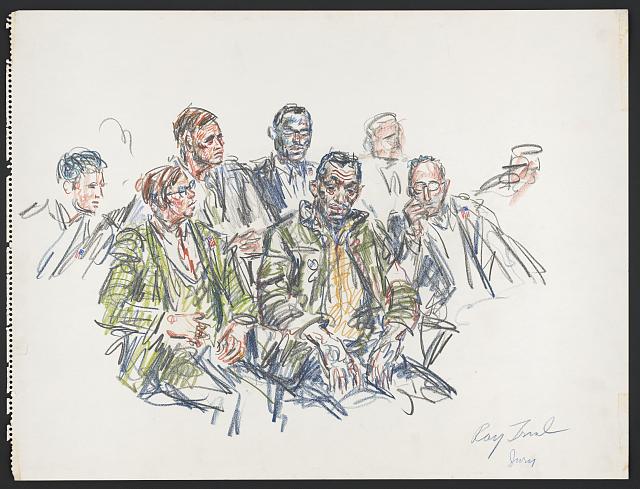
What Was the Assassination of Martin Luther King Jr.?
Martin Luther King Jr. was assassinated in Memphis, Tennessee, at the age of 39. His death sparked nationwide grief, riots, and renewed urgency for racial justice.
On April 4, 1968, America lost one of its greatest leaders. Dr. Martin Luther King Jr. was shot and killed at the Lorraine Motel in Memphis, Tennessee, at 6:01 in the evening. He was just 39 years old. Dr. King had traveled to Memphis to support African American sanitation workers who were on strike for better pay and safer working conditions. The night before, he had delivered one of his most powerful speeches, known as the 'I've Been to the Mountaintop' address. Dr. King had dedicated his life to fighting injustice through nonviolent action. He led the Montgomery Bus Boycott, helped organize the March on Washington, and received the Nobel Peace Prize in 1964. His work helped bring about the Civil Rights Act of 1964 and the Voting Rights Act of 1965. By the time of his death, he had become one of the most respected leaders in the world. The news of Dr. King's death brought grief and anger across the country. Robert F. Kennedy, who was campaigning for president, gave a moving impromptu speech in Indianapolis announcing the tragedy and calling for peace. Despite these calls, sadness turned to unrest in more than 100 American cities. Just one week later, on April 11, 1968, President Lyndon B. Johnson signed the Fair Housing Act, which banned discrimination in housing. James Earl Ray was arrested and convicted of the assassination. Dr. King's legacy did not end with his death — it grew stronger. In 1986, Martin Luther King Jr. Day became a federal holiday, celebrated on the third Monday of every January. The Lorraine Motel where he was killed is now the National Civil Rights Museum, visited by hundreds of thousands of people each year. Dr. King's dream of a world where people are judged by the content of their character continues to inspire generations.
Timeline
Watch and Learn
Did You Know?
The Lorraine Motel Is Now a Museum
The Lorraine Motel in Memphis, where Dr. King was killed, has been transformed into the National Civil Rights Museum. It tells the story of the entire civil rights movement and is visited by hundreds of thousands of people every year.
Dr. King Was the Youngest Nobel Peace Prize Winner at the Time
When Dr. Martin Luther King Jr. received the Nobel Peace Prize in 1964, he was just 35 years old — the youngest person to receive the award at that time. He donated all of the prize money to the civil rights movement.
Robert Kennedy's Speech Helped Keep Indianapolis Peaceful
On the night of Dr. King's death, Robert F. Kennedy gave an emotional speech to a crowd in Indianapolis, urging peace and understanding. Indianapolis was one of the few major cities that remained calm that night, and many credit Kennedy's heartfelt words.
The Fair Housing Act Was Signed One Week Later
The Fair Housing Act, which banned discrimination in the sale and rental of housing, had been stalled in Congress. After Dr. King's death, Congress quickly passed the bill, and President Johnson signed it into law on April 11, 1968 — just seven days later.
King Was in Memphis to Support Working People
Dr. King traveled to Memphis to stand with over 1,300 African American sanitation workers who were on strike. The workers carried signs reading 'I Am a Man,' demanding to be treated with dignity and paid fairly for their hard and dangerous work.
Key Figures Involved
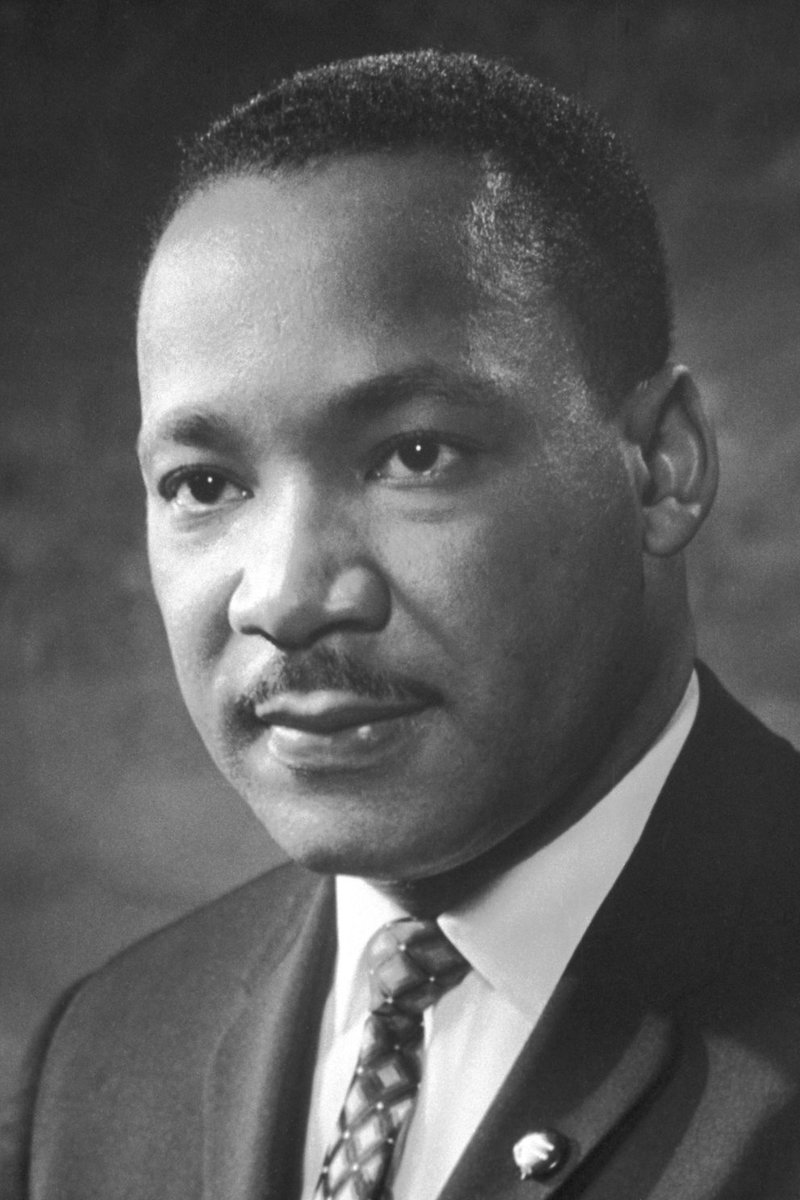
The people who played a role in this event.
Related Events
Other landmark events connected to this moment in history.
March 7 – March 25, 1965
Selma to Montgomery Marches
Three marches from Selma to Montgomery, Alabama, demanded voting rights for Black Americans. The first march, known as 'Bloody Sunday,' was met with brutal police violence.
July 2, 1964
Civil Rights Act Signed
President Lyndon B. Johnson signed the Civil Rights Act of 1964 into law, outlawing discrimination based on race, color, religion, sex, or national origin.
Want to teach this event? We've done the work for you.
Assassination of Martin Luther King Jr. Complete Teaching Bundle
Lesson Plan
Comprehensive lesson plan covering the full event with learning objectives, activities, and assessment.
Student Workbook
Interactive workbook with reading passages, timeline activities, primary source analysis, and a quiz.
Flashcard Set
40 cards covering vocabulary, key facts, people, causes, effects, and review challenges.
Instant digital download · Printable PDF · Grades 4–8 · Verified accurate
Here's a peek inside...
📖 Lesson Plan
📝 Student Workbook
Read the passage about Assassination of Martin Luther King Jr. and answer the questions below.
🃏 Flashcard Set - Click to Flip!
Click the card to flip it
Get a Free Sample
Try before you buy! Enter your email to receive a free sampler with flashcards, activities, and a lesson plan excerpt. No spam, just history.