Narrative of the Life of Frederick Douglass
By Frederick Douglass
Frederick Douglass's powerful autobiography describing his life as an enslaved person, his self-education, and his daring escape to freedom - one of the most influential books in American history.
View Teaching Bundle →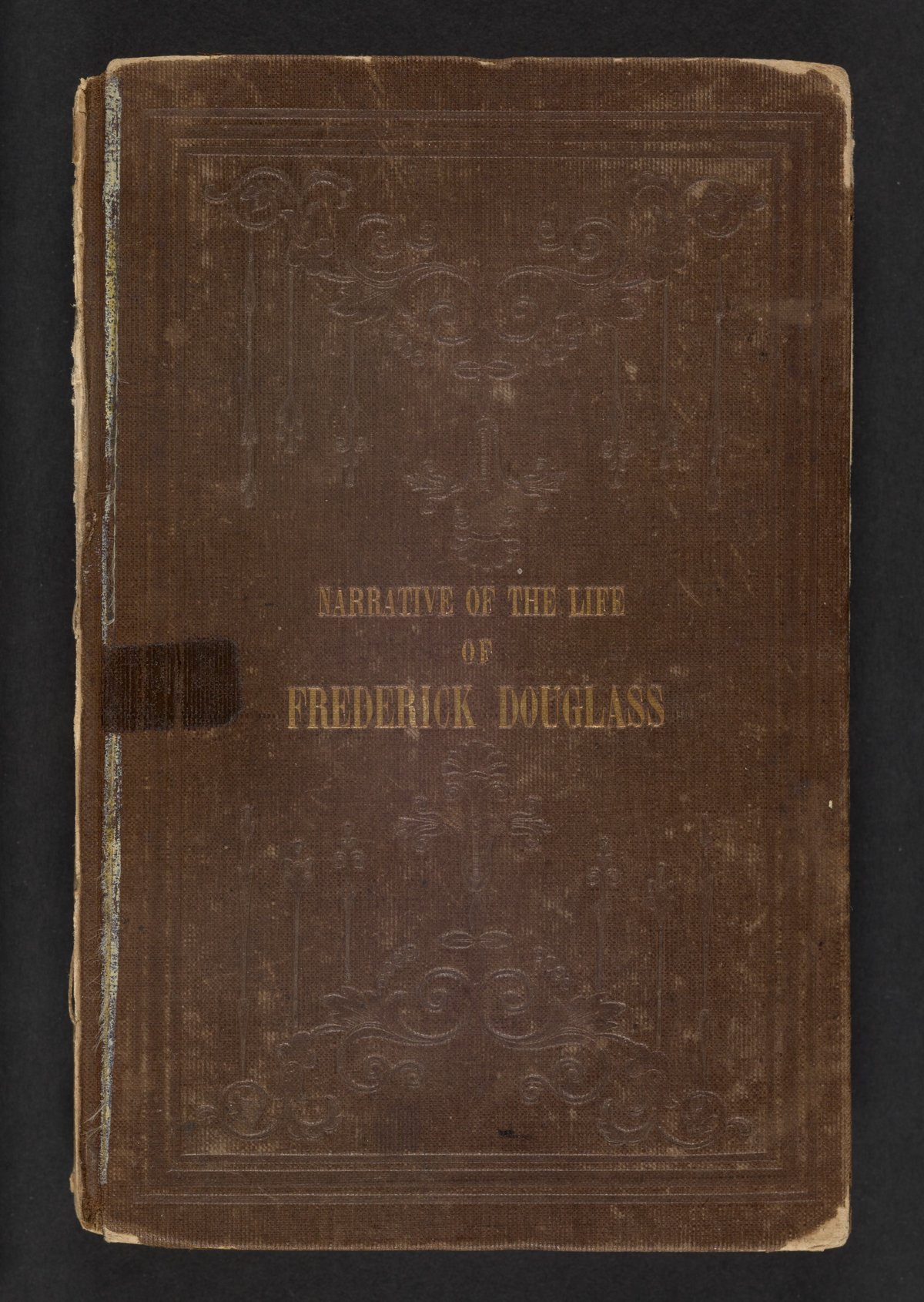
What Is the Narrative of the Life of Frederick Douglass?
Frederick Douglass's powerful autobiography describing his life as an enslaved person, his self-education, and his daring escape to freedom - one of the most influential books in American history.
Published on May 1, 1845, the Narrative of the Life of Frederick Douglass, an American Slave, Written by Himself is one of the most powerful autobiographies ever written. Frederick Douglass wrote it for a very specific and urgent purpose: to prove that he was real. At the time, many people could not believe that an enslaved person could speak, think, and write with such power. Skeptics claimed his story was made up. So Douglass did something extraordinarily brave — he named his enslavers, revealed the plantation where he had been held, and gave exact details that could be verified. This put his life in danger. After the book was published, he had to flee first to Ireland, then to England, to avoid being recaptured. The Narrative traces Douglass's life from his birth around 1817-1818 in Talbot County, Maryland — he never knew his exact birth date — through his years of enslavement, to his escape to freedom in 1838. He writes with painful honesty about witnessing the whipping of his Aunt Hester, about being separated from his mother as an infant, and about the moment when a kind enslaver's wife, Sophia Auld, began to teach him the alphabet — only to be stopped by her husband, who declared that literacy would make an enslaved person unfit for enslavement. That moment lit a fire in Douglass. He secretly taught himself to read and write, and those skills became the tools of his freedom. The book was published with a Preface by abolitionist William Lloyd Garrison and an endorsing letter from Wendell Phillips — two of the most prominent antislavery voices of the era — lending further credibility to Douglass's account. The book sold 5,000 copies in its first four months and approximately 30,000 copies within five years. Today it is recognized as a masterpiece of American literature and a foundational document in the history of civil rights.
Historical Context
When Frederick Douglass published his Narrative in 1845, slavery had existed in North America for more than 200 years. The United States was deeply divided. Northern states had abolished slavery, but Southern states' entire agricultural economy depended on the forced labor of enslaved people. Many white Americans in both regions believed that Black people were inferior — not capable of complex thought, sophisticated emotion, or literary expression. The abolitionist movement was growing but remained a minority position. Leaders like William Lloyd Garrison published antislavery newspapers such as The Liberator, and formerly enslaved people like Douglass were beginning to speak at antislavery meetings. But their authenticity was constantly questioned. By writing this autobiography — detailed, eloquent, and verifiable — Douglass answered every doubter with irrefutable evidence. He showed the world not just that slavery was cruel, but that enslaved people were fully human, fully capable, and fully deserving of freedom. The 1845 Narrative was published with a Preface by William Lloyd Garrison and a letter of endorsement by abolitionist lawyer Wendell Phillips. Both men vouched for Douglass's authenticity and character, helping to silence critics who claimed the book was too polished to have been written by a formerly enslaved person.
Key Excerpts
Important passages from this primary source, presented in kid-friendly language.
"My mistress was, as I have said, a kind and tender-hearted woman; and... she very kindly commenced to teach me the A, B, C."
What this means: Douglass describes the moment he began learning to read. His enslaver's wife started teaching him the alphabet, but her husband quickly stopped her — fearing that an educated enslaved person would be harder to control. This moment changed the course of Douglass's life.
"From that moment, I understood the pathway from slavery to freedom. It was just what I wanted, and I got it at a time when I the least expected it."
What this means: This is the moment Douglass realizes that literacy is the key to freedom. He overhears his enslaver explain why teaching enslaved people to read is dangerous — and that warning becomes his blueprint for escape.
"I have observed this in my experience of slavery, — that whenever my condition was improved, instead of its increasing my contentment, it only increased my desire to be free."
What this means: Douglass explains something that might seem surprising: being treated a little better didn't make him accept slavery. Instead, any improvement made him hunger more deeply for complete freedom. Educators: this quote is appropriate for classroom use but should be attributed to the 1855 text when precision matters.
"The silver trump of freedom had roused my soul to eternal wakefulness. Freedom now appeared, to disappear no more forever. It was heard in every sound, and seen in every thing."
What this means: After learning to read, Douglass describes how the idea of freedom became impossible to ignore. Every sound and sight reminded him of what he lacked and what he deserved.
"You are loosed from your moorings, and are free; I am fast in my chains, and am a slave!"
What this means: Douglass writes this while watching ships sail free on the Chesapeake Bay. He envies the ships' freedom and feels the pain of his own captivity even more sharply by comparison.
"I therefore hate the corrupt, slaveholding, women-whipping, cradle-plundering, partial and hypocritical Christianity of this land."
What this means: In the Appendix, Douglass directly confronts the hypocrisy of a Christian nation that allowed slavery. He makes a sharp distinction between true Christianity and the version used to justify the enslavement of human beings. Note for educators: this quote is grade-appropriate in the 6-8 range with proper framing and context.
Vocabulary Spotlight
Key words and phrases from this primary source.
Narrative
A story told from a person's own point of view; an account of events in their life
Abolitionist
A person who wanted to end — or abolish — slavery completely
Literacy
The ability to read and write
Incompatible
Unable to exist together; two things that cannot both be true at the same time
Pseudonym
A name used to protect someone's identity; not their birth name
Credibility
The quality of being trusted and believed
Autobiography
A book that a person writes about their own life
Bondage
The state of being enslaved; being held captive and forced to work without pay or freedom
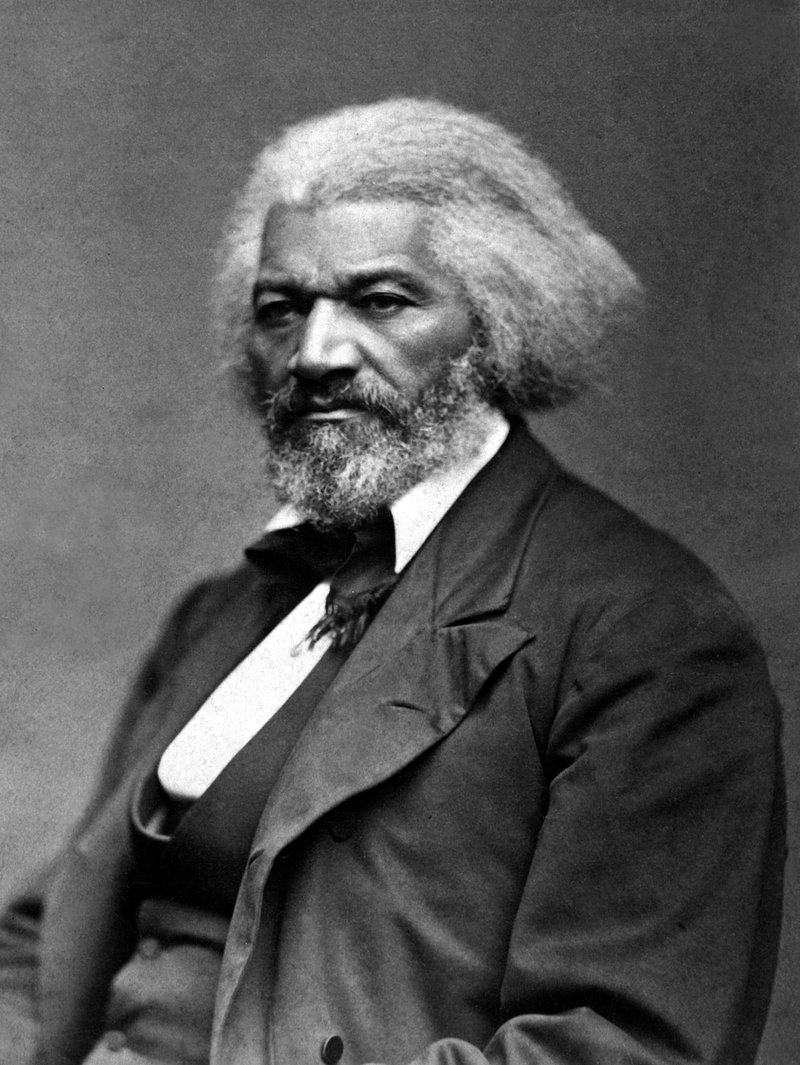
About the Author
Learn more about the person who created this primary source.
Impact & Legacy
Watch and Learn
Did You Know?
He Never Knew His Birthday
Douglass did not know the exact date he was born. In the Narrative, he writes that he has 'no accurate knowledge' of his age and that enslavers deliberately kept birth dates secret from enslaved people as a way of stripping away their identity and sense of self. He estimated he was born around 1817-1818.
He Changed His Name to Hide
After escaping, Douglass changed his last name from Bailey to Douglass — a name suggested by his friend Nathan Johnson, who took it from a heroic character in Sir Walter Scott's poem 'The Lady of the Lake' — to make it harder for slave catchers to track him down.
He Wrote Three Autobiographies
Douglass wrote three different versions of his life story: this 1845 Narrative, My Bondage and My Freedom (1855), and Life and Times of Frederick Douglass (1881, revised 1892). Each one added more detail and perspective as he grew older and wiser.
The Book Forced Him Into Exile
By naming his enslaver and plantation, Douglass made himself a target. After the Narrative was published, he was legally still an enslaved person and could be recaptured. He fled first to Ireland, then to England and Scotland, for nearly two years (August 1845 to April 1847).
He Outwitted His Enslaver Using His Own Words
Douglass learned that knowledge was power — literally. His enslaver Hugh Auld warned that teaching a slave to read would 'forever unfit him to be a slave.' Douglass heard this as a blueprint for his own freedom and secretly pursued literacy with fierce determination.
The Book Came With Endorsements From Famous Abolitionists
The 1845 Narrative was published with a Preface written by William Lloyd Garrison, editor of the antislavery newspaper The Liberator, and a letter of endorsement from Wendell Phillips, a prominent abolitionist lawyer. Their support helped silence critics who doubted Douglass's story.
The Book Is Still Taught Today
Nearly 180 years after it was published, the Narrative is part of middle school and high school English curricula across the United States. It is one of the most widely read American autobiographies ever written and is freely available through Project Gutenberg.
Related Events
Landmark events connected to this primary source.
Related Primary Sources
Other important documents and speeches in Black history.
May 29, 1851 · Speech
"Ain't I a Woman?" Speech
Sojourner Truth's famous speech at the Women's Rights Convention in Akron, Ohio, challenging racism and sexism with powerful rhetorical questions about equality and human dignity.
July 5, 1852 · Speech
"What to the Slave Is the Fourth of July?"
Frederick Douglass's searing speech exposing the hypocrisy of celebrating freedom in a nation that enslaved millions, delivered to a crowd in Rochester, New York.
Want to teach this primary source? We've done the work for you.
Narrative of the Life of Frederick Douglass Complete Teaching Bundle
Lesson Plan
Comprehensive lesson plan covering the document's background, key passages, author's purpose, and historical impact.
Student Workbook
Interactive workbook with source analysis exercises, reading comprehension, vocabulary in context, and compare & contrast activities.
Flashcard Set
40 cards covering vocabulary, key excerpts, historical context, author's purpose, and review challenges.
Instant digital download · Printable PDF · Grades 4–8 · Verified accurate
Here's a peek inside...
📖 Lesson Plan
📝 Student Workbook
Read the excerpt from Narrative of the Life of Frederick Douglass and answer the questions below.
🃏 Flashcard Set - Click to Flip!
Click the card to flip it
Get a Free Sample
Try before you buy! Enter your email to receive a free sampler with flashcards, activities, and a lesson plan excerpt. No spam, just history.