Blood Bank
Dr. Charles Drew pioneered methods for processing and storing blood plasma, creating the first large-scale blood bank that saved countless lives during World War II and beyond.
View Teaching Bundle →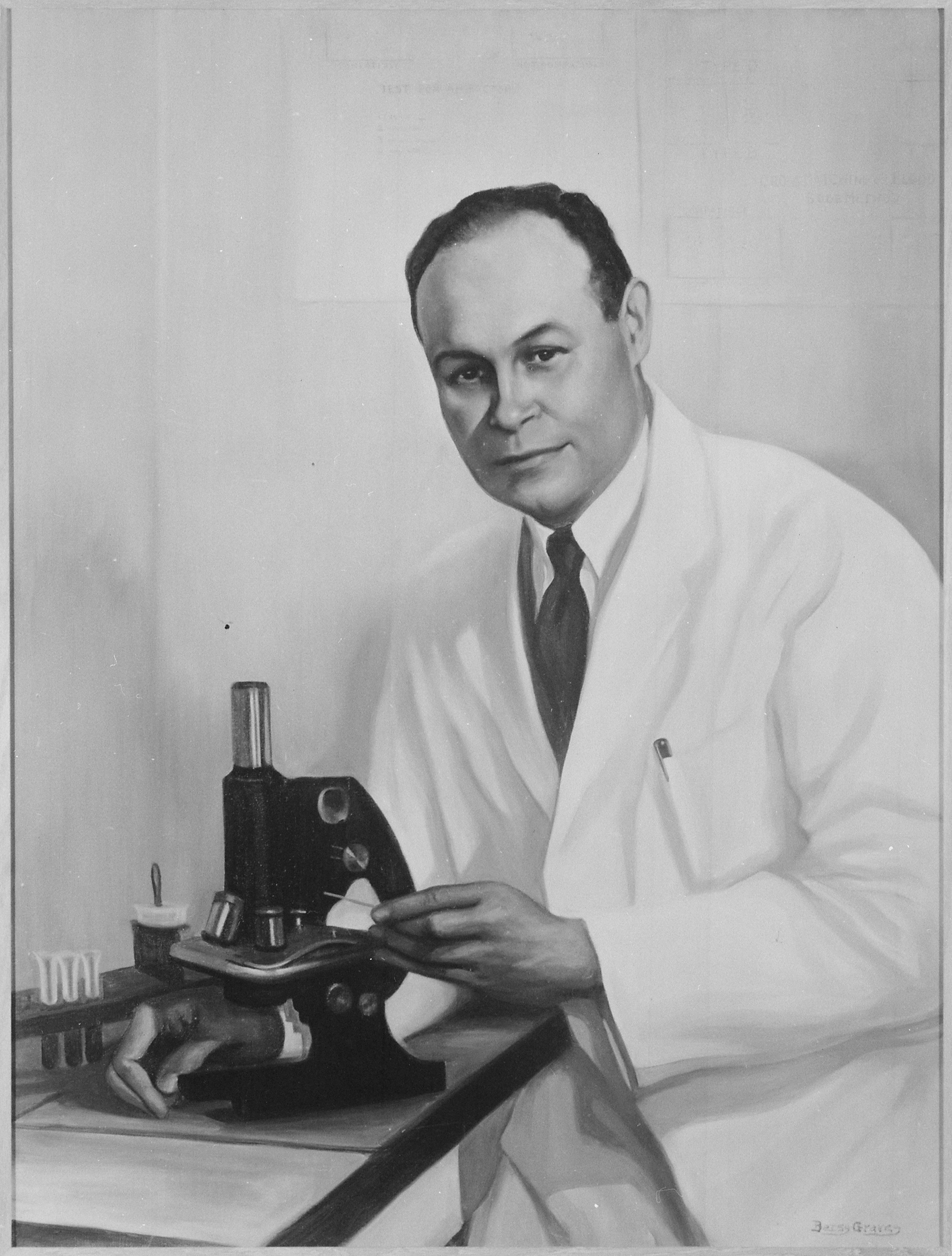
What Is the Blood Bank?
Dr. Charles Drew pioneered methods for processing and storing blood plasma, creating the first large-scale blood bank that saved countless lives during World War II and beyond.
Every time someone receives donated blood during surgery or after an accident, they are benefiting from discoveries made by Dr. Charles Drew — one of the most brilliant medical scientists of the 20th century. Dr. Charles Drew was born in 1904 in Washington, D.C., and showed remarkable intelligence from an early age, excelling in both academics and athletics. He earned his medical degree from McGill University in Canada, then his doctorate from Columbia University, where he made the discoveries that would change medicine forever. The key challenge Drew tackled was preservation. Whole blood — the liquid that carries oxygen through your body — breaks down quickly after it leaves the body. In the 1930s, this meant that donated blood had only a short window before it became unusable. Hospitals could not store it, and battlefields were even harder to supply. Soldiers and accident victims died not because blood was unavailable, but because it could not get to them in time. Drew discovered that separating plasma — the liquid portion of blood — from the red blood cells allowed plasma to be stored for much longer and shipped over greater distances. This breakthrough made it possible to build a blood bank: a stored supply of blood products ready when needed. He also pioneered the bloodmobile — a mobile unit that could collect donations in communities and bring the blood supply directly to where it was needed. In 1940, Drew directed the Blood for Britain project, shipping plasma to save British soldiers and civilians during World War II. He then directed the American Red Cross blood bank program. He resigned when the Red Cross insisted on segregating blood by race — a policy Drew correctly called scientifically baseless and morally wrong. His techniques still save millions of lives every year around the world.
Meet the Inventor: Charles Drew
Charles Richard Drew was born on June 3, 1904, in Washington, D.C. The son of a carpet layer and a teacher, Drew grew up in a close-knit, ambitious family that valued education above all else. He was a standout student and a gifted multi-sport athlete, earning a scholarship to Amherst College, where he starred in football, basketball, baseball, and track. After teaching biology and coaching sports at Morgan State University, Drew enrolled at McGill University in Canada for medical school, graduating second in his class. He completed his residency and then earned a Doctor of Medical Science degree from Columbia University — the first Black person to receive that degree at Columbia. At Columbia, Drew conducted the research on blood preservation and plasma storage that would make him famous. He was appointed director of the first American Red Cross blood bank in 1941 but resigned within months when the organization insisted on segregating blood donations by race. Drew publicly condemned this policy, stating plainly that blood had no racial difference. Dr. Drew died on April 1, 1950, in Burlington, North Carolina, from injuries sustained in a car accident. He was 45 years old. He left behind a medical legacy that has saved tens of millions of lives.
How It Works
Blood is made of several components: red blood cells, white blood cells, platelets, and plasma. Plasma is the yellowish liquid that carries everything else — it makes up about 55% of blood by volume. When blood is stored whole, the red blood cells begin to break down within weeks. But when blood is processed to separate plasma from the cellular components, the plasma can be dried into a powder (called dried plasma) and stored for months or even years at room temperature, then reconstituted with water when needed. Dr. Drew perfected the techniques for separating, processing, storing, and transporting plasma at scale. His protocols allowed hospitals and military units to maintain a supply of usable blood products rather than relying on finding a donor at the exact moment of need. This is the core concept of a blood bank — saving a resource during times of plenty so it is available in moments of emergency.
Timeline
Watch and Learn
Did You Know?
The Myth vs. The Truth
A false story circulated for years claiming Drew died because a segregated hospital refused him a blood transfusion. This is not true — Drew received prompt medical treatment at Alamance General Hospital, including blood transfusions. His injuries from the crash were simply too severe to survive. The myth, though false, reflected real injustices Black patients faced across the South.
Blood Has No Race
When the Red Cross announced it would segregate blood donations by race, Drew stated publicly that blood contains no racial markers — a scientific fact. There is no biological difference between blood from people of different racial backgrounds.
A Champion Athlete Too
Drew was one of the best all-around athletes of his generation — starring in football, basketball, baseball, and track at Amherst College. He even played semi-professional football before focusing on medicine.
First Black Columbia Doctorate
When Drew earned his Doctor of Medical Science degree from Columbia University in 1940, he became the first Black person to receive that degree from one of America's most prestigious universities.
Saving WWII Soldiers
The blood plasma Drew's Blood for Britain project shipped helped keep British soldiers alive during the Battle of Britain. His work directly contributed to the Allied victory in World War II.
STEM Connection
Dr. Drew's work connects to biology, chemistry, and systems engineering in ways students can explore in school. In biology, blood is a complex liquid tissue. Understanding how its components separate and how each component behaves under different conditions (temperature, time, storage methods) is applied cell biology. In chemistry, Drew worked with protein chemistry — plasma proteins like albumin and fibrinogen are what make plasma medically useful. Preventing those proteins from denaturing (breaking down) during storage was a key chemical challenge. In systems thinking, Drew did not just discover a fact — he built a system. A blood bank requires collection, testing, processing, labeling, storage, and distribution. Drew organized all of these steps into a reliable process that could work at massive scale, even in wartime. This kind of systems design is exactly what biomedical engineers, public health professionals, and logistics experts do today.
Related Inventions
Other Black inventions and innovations that changed the world.
Want to teach this invention? We've done the work for you.
Blood Bank Complete Teaching Bundle
Lesson Plan
Comprehensive lesson plan covering the invention, the inventor, how it works, and its lasting impact on everyday life.
Student Workbook
Interactive workbook with reading passages, inventor biography, STEM activities, design challenges, and a quiz.
Flashcard Set
40 cards covering vocabulary, key facts, inventor details, how it works, and review challenges.
Instant digital download · Printable PDF · Grades 3–8 · STEM + History
Here's a peek inside...
📖 Lesson Plan
📝 Student Workbook
Read the passage about Charles Drew and the Blood Bank, then answer the questions below.
🃏 Flashcard Set - Click to Flip!
Click the card to flip it
Get a Free Sample
Try before you buy! Enter your email to receive a free sampler with flashcards, activities, and a lesson plan excerpt. No spam, just history.