The Reconstruction Era
The period after the Civil War when formerly enslaved people gained citizenship and voting rights, built institutions, and faced violent backlash.
View Teaching Bundle →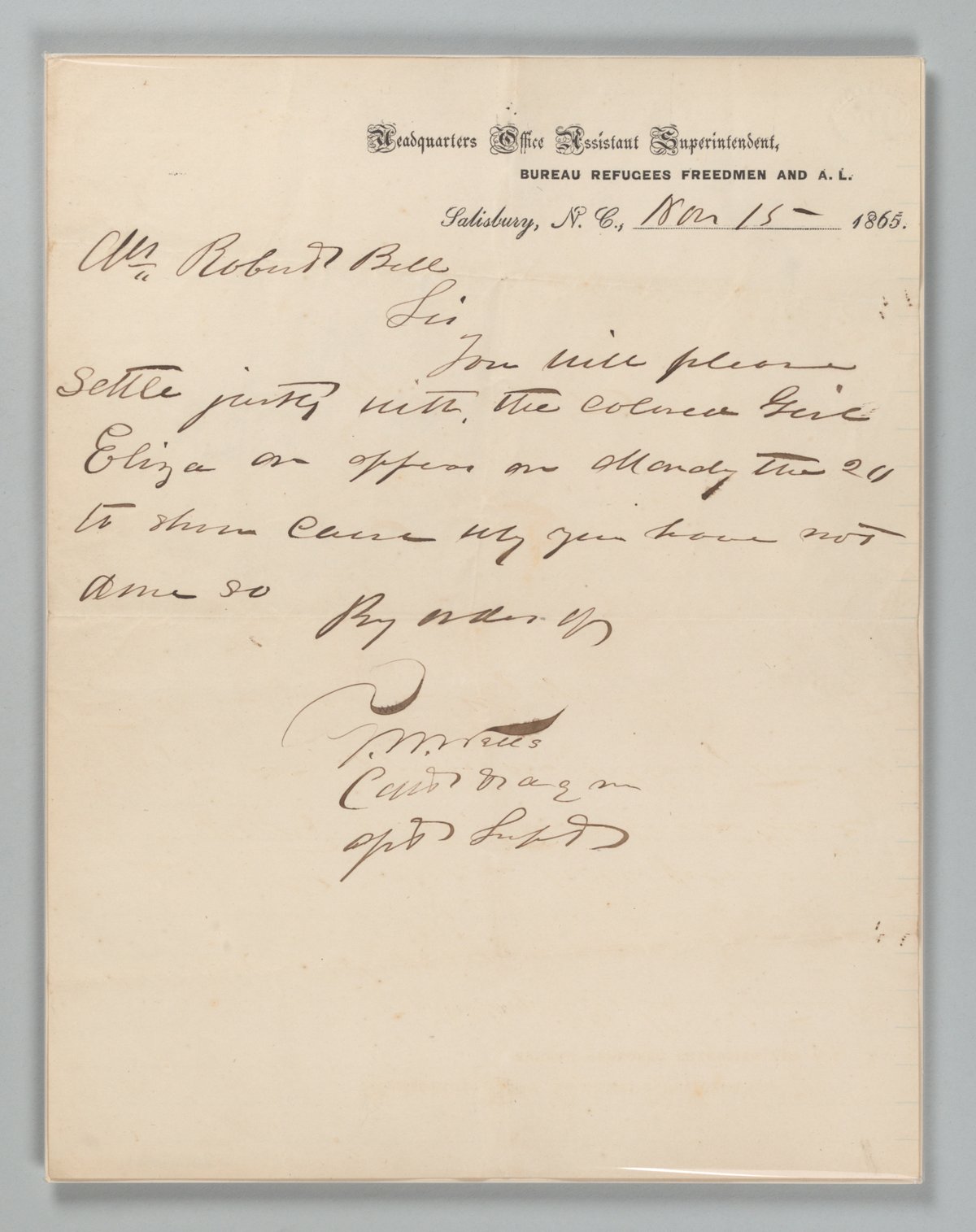
What Was the The Reconstruction Era?
The period after the Civil War when formerly enslaved people gained citizenship and voting rights, built institutions, and faced violent backlash.
The Reconstruction Era (1865–1900) was one of the most transformative and turbulent periods in American history. After the Civil War ended slavery, the nation faced an enormous question: What would freedom actually look like for four million formerly enslaved people? During Reconstruction, three powerful amendments to the Constitution abolished slavery, granted citizenship, and protected voting rights for Black men. For the first time, Black Americans were elected to Congress, opened businesses, built churches, and founded schools. Formerly enslaved people showed extraordinary courage and determination as they built new lives from nothing. But freedom came with fierce resistance. White supremacist groups like the Ku Klux Klan used violence and terror to stop Black progress. Southern states passed Black Codes and later Jim Crow laws to restrict the rights of Black citizens. The Compromise of 1877 effectively ended federal protection of Black rights in the South. By 1896, the Supreme Court's Plessy v. Ferguson decision made segregation the law of the land. Yet even in this difficult time, Black Americans refused to give up. Leaders like Booker T. Washington built institutions of learning, Ida B. Wells courageously fought against lynching, and George Washington Carver revolutionized agriculture. The Reconstruction Era shows both the promise of American democracy and the long, hard struggle required to make that promise real.
Key Events
Watch and Learn
Did You Know?
Black Lawmakers in Congress
During Reconstruction, 16 African Americans served in the U.S. Congress, including two senators — Hiram Revels and Blanche Bruce, both from Mississippi. Robert Smalls, who had escaped slavery by stealing a Confederate ship, served five terms in the U.S. House of Representatives from South Carolina.
Schools Built from Scratch
Formerly enslaved people were so eager to learn that they built hundreds of schools across the South, often with their own hands and money. By 1870, there were over 4,000 schools serving more than 200,000 Black students. Many of today's Historically Black Colleges and Universities (HBCUs) were founded during this era.
The First Black Senator
Hiram Revels was elected to the U.S. Senate from Mississippi in 1870, filling the seat that had been held by Jefferson Davis, the former president of the Confederacy. It would be nearly 100 years before another African American, Edward Brooke, was elected to the Senate in 1966.
George Washington Carver's Genius
George Washington Carver, born into slavery, became one of America's greatest scientists. At Tuskegee Institute, he developed over 300 products from peanuts and over 100 from sweet potatoes, helping poor Southern farmers grow new crops and improve their soil.
Ida B. Wells Risked Everything
When Ida B. Wells published the truth about lynching in her Memphis newspaper, a white mob destroyed her printing press and threatened her life. She had to leave the city, but she never stopped fighting. She took her campaign across the country and even to England, forcing the world to confront this injustice.
Historical Images
Primary sources from the The Reconstruction Era era
Letter written to Robert Bell from the Freedmen's Bureau
Source: Smithsonian NMAAHC CC0 (Smithsonian Open Access)
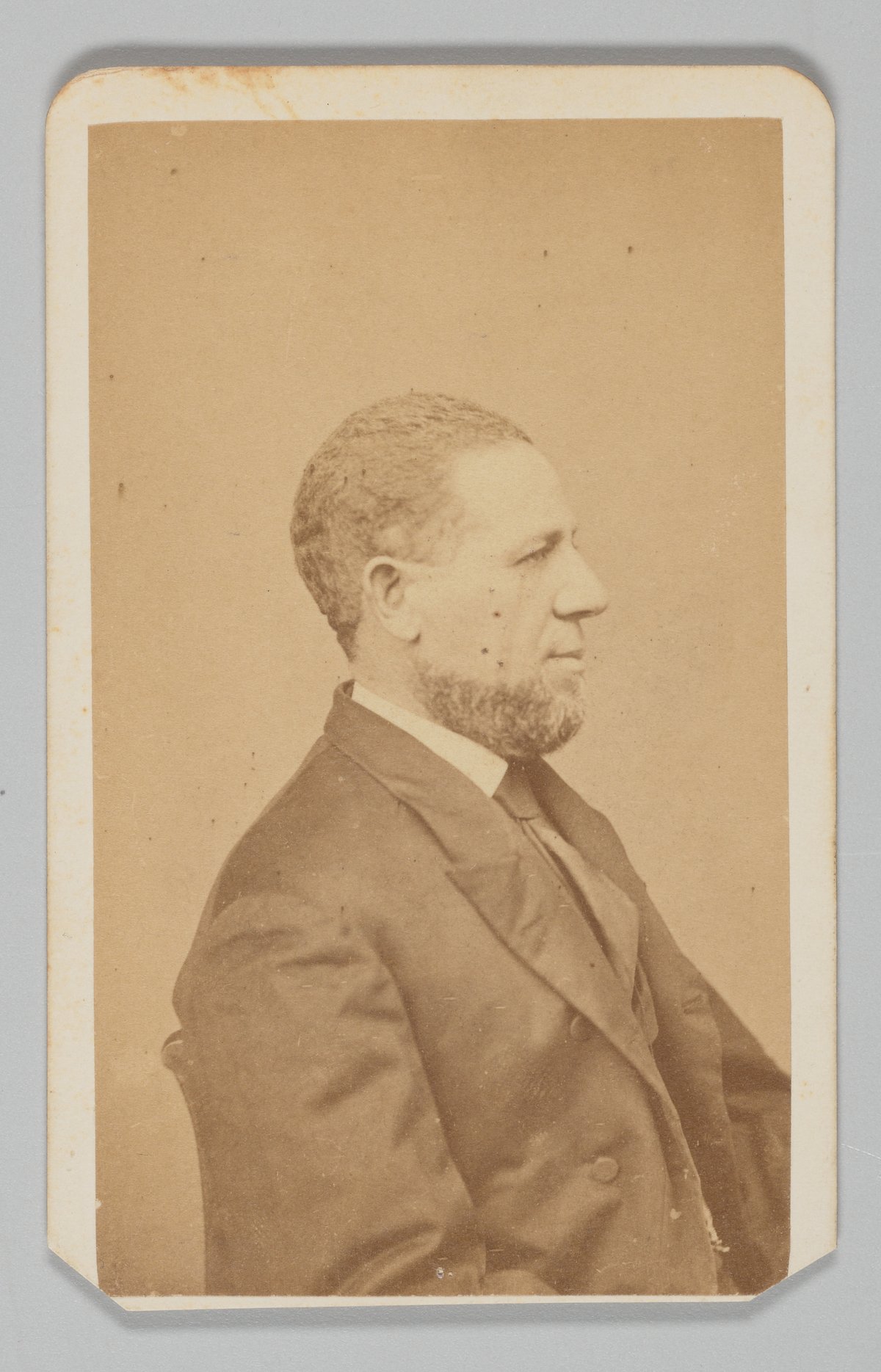
Carte-de-visite portrait of United States Senator Hiram Revels
Source: Smithsonian NMAAHC CC0 (Smithsonian Open Access)

Fisk University, 1000 17th Avenue North, Nashville, Davidson County, TN
Source: Library of Congress No known restrictions (LOC)
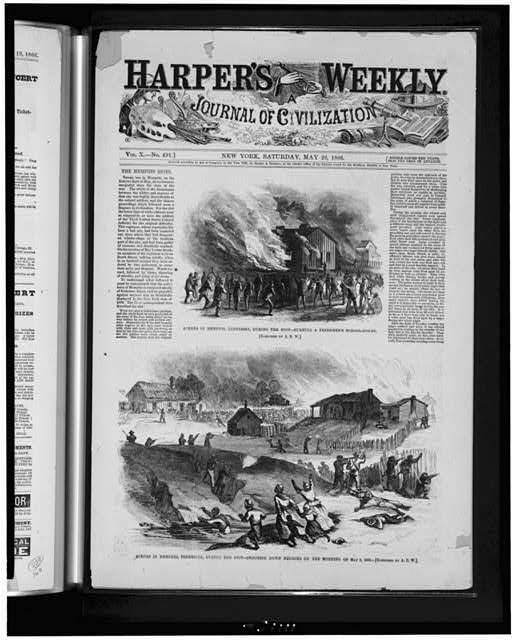
Carte de visite photographs from the Gladstone collection
Source: Library of Congress No known restrictions (LOC)
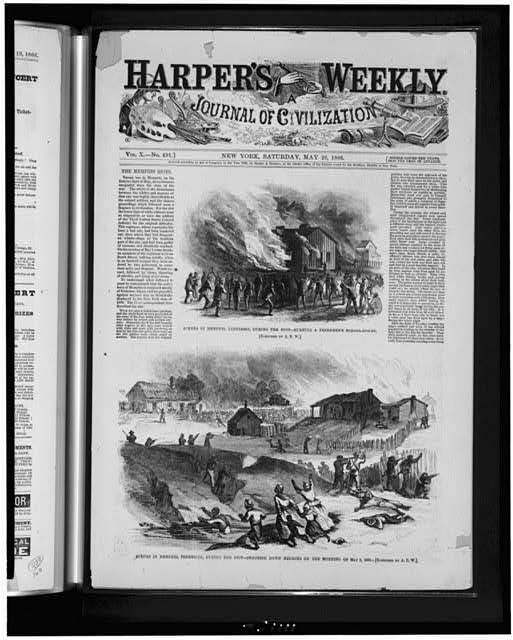
Scenes in Memphis, Tennessee, during the riot
Source: Library of Congress No known restrictions (LOC)
Key Figures of The Reconstruction Era
The people who shaped this era.
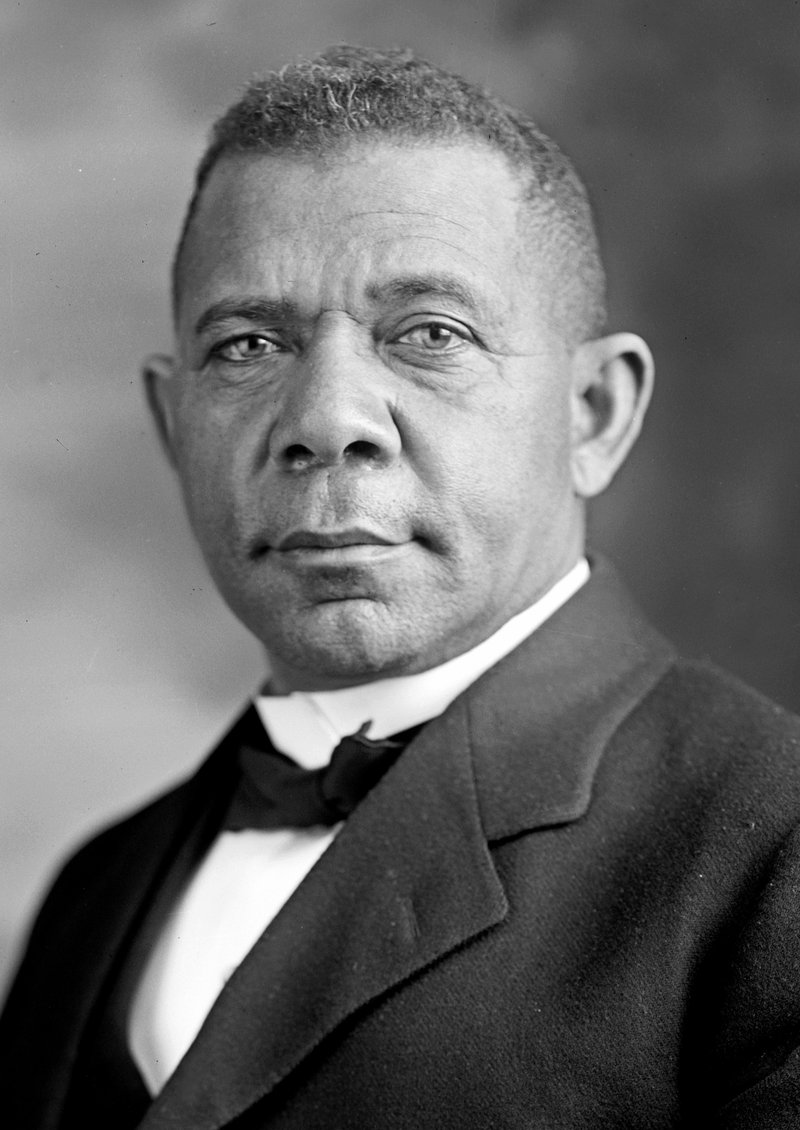
Booker T. Washington
1856–1915
Born into slavery, he became the most influential Black educator of his era and founded the Tuskegee Institute.
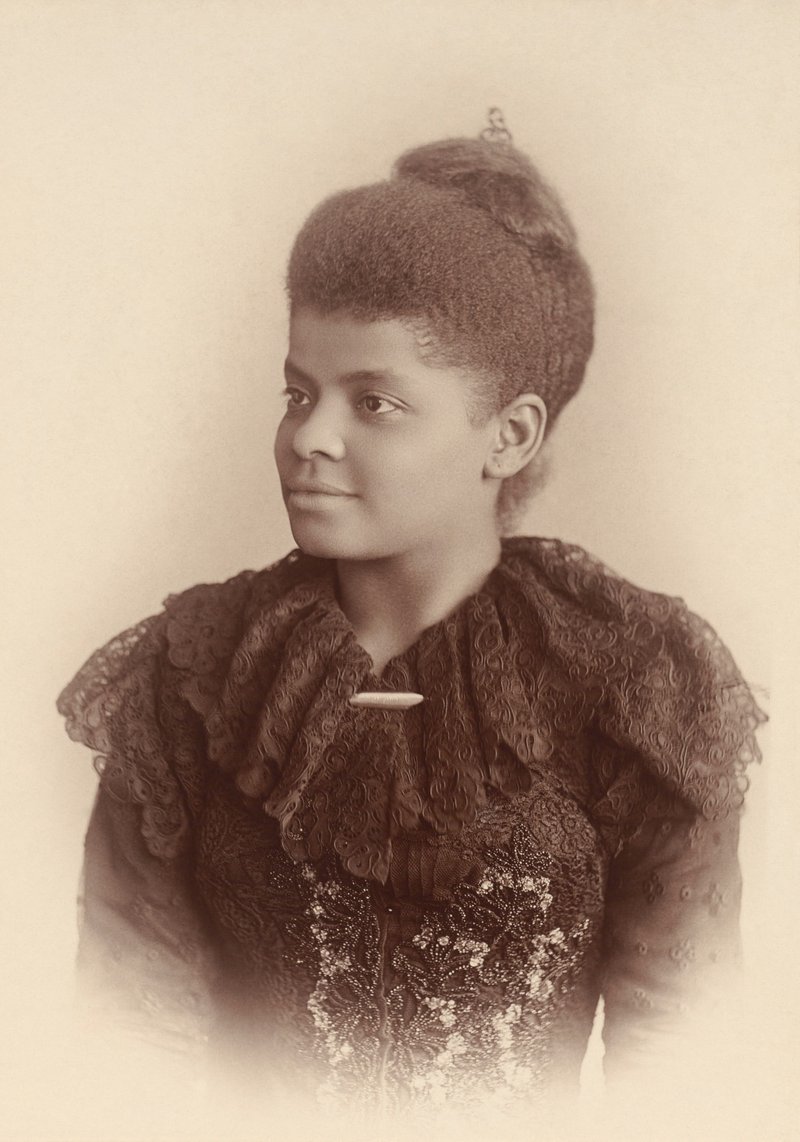
Ida B. Wells
1862–1931
Fearless journalist and activist who led a national crusade against lynching and co-founded the NAACP.
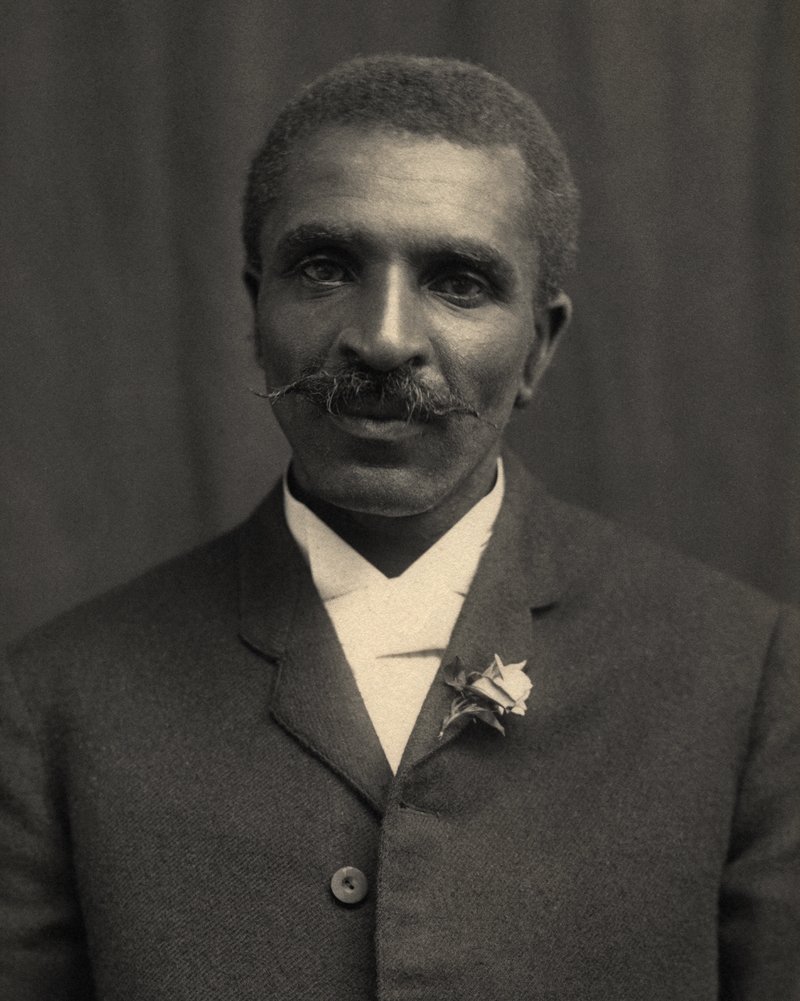
George Washington Carver
c. 1864–1943
Brilliant scientist who revolutionized Southern agriculture and discovered hundreds of uses for peanuts, sweet potatoes, and soybeans.
Want to teach this era? We've done the work for you.
The Reconstruction Era Complete Teaching Bundle
Lesson Plan
Comprehensive lesson plan covering the full era with learning objectives, activities, and assessment.
Student Workbook
Interactive workbook with reading passages, timeline activities, primary source analysis, and a quiz.
Flashcard Set
40 cards covering vocabulary, key facts, events, important people, and review challenges.
Instant digital download · Printable PDF · Grades 4–8 · Verified accurate
Here's a peek inside...
📖 Lesson Plan
📝 Student Workbook
Read the passage about The Reconstruction Era and answer the questions below.
🃏 Flashcard Set - Click to Flip!
Click the card to flip it
Get a Free Sample
Try before you buy! Enter your email to receive a free sampler with flashcards, activities, and a lesson plan excerpt. No spam, just history.
Go Deeper: Individual Figure Bundles
Each figure from this era has their own complete teaching bundle.
Booker T. Washington
Complete teaching bundle: lesson plan, workbook, and 40-card flashcard set.
View Bundle →Ida B. Wells
Complete teaching bundle: lesson plan, workbook, and 40-card flashcard set.
View Bundle →George Washington Carver
Complete teaching bundle: lesson plan, workbook, and 40-card flashcard set.
View Bundle →