Booker T. Washington
April 5, 1856–November 14, 1915
Born into slavery, he became the most influential Black educator of his era and founded the Tuskegee Institute.
View Teaching Bundle →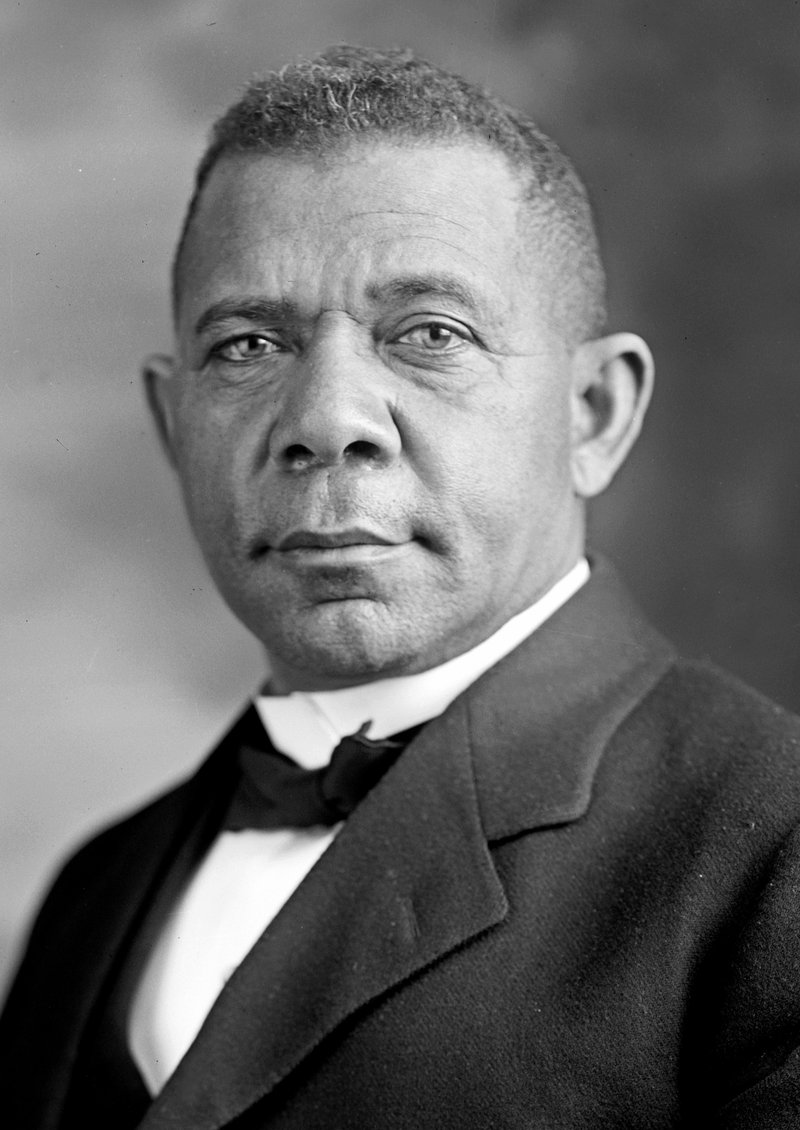
Who Was Booker T. Washington?
Born into slavery, he became the most influential Black educator of his era and founded the Tuskegee Institute.
Booker Taliaferro Washington was born into slavery on April 5, 1856, in Hale's Ford, Virginia. After emancipation in 1865, his family moved to West Virginia, where young Booker worked in salt furnaces and coal mines. Determined to get an education, he enrolled at the Hampton Normal and Agricultural Institute in Virginia at age 16, working as a janitor to pay his tuition. He excelled as a student and graduated with honors, learning the value of practical education and hard work that would shape his philosophy.
In 1881, at just 25 years old, Washington was chosen to lead a new school for Black students in Tuskegee, Alabama. He started with almost nothing: a run-down church and a small shanty. He built it into the Tuskegee Normal and Industrial Institute, one of the most important Black educational institutions in American history. Washington believed that Black Americans could advance through practical education, skilled trades, and economic self-reliance. His famous 1895 'Atlanta Compromise' speech at the Cotton States Exposition made him the most prominent Black leader in America. He became an advisor to Presidents Theodore Roosevelt and William Howard Taft.
"Success is to be measured not so much by the position that one has reached in life as by the obstacles which he has overcome."- Booker T. Washington, Up from Slavery, 1901
Washington's emphasis on vocational training and economic advancement helped thousands of Black Americans build better lives during one of the most difficult periods in American history. The Tuskegee Institute grew to over 100 buildings, 1,500 students, and a faculty that included George Washington Carver. His autobiography, Up from Slavery (1901), became a bestseller and remains widely read. While his approach was debated, most notably by W.E.B. Du Bois, who advocated for more aggressive pursuit of civil rights, Washington's contributions to Black education and empowerment were enormous. He died on November 14, 1915, in Tuskegee, Alabama.
Key Events in Booker T. Washington's Life
Watch and Learn
Learn more about the life and legacy of Booker T. Washington.
Did You Know?
Washington was the first African American to dine at the White House when President Theodore Roosevelt invited him in 1901. The dinner caused an uproar among segregationists.
He built the Tuskegee Institute from almost nothing. Students literally made the bricks to construct the school's buildings.
Washington secretly funded legal challenges to segregation and disenfranchisement, even while publicly advocating for a more gradualist approach.
His autobiography, Up from Slavery, has been translated into dozens of languages and is still assigned in schools around the world.
Test Your Knowledge
How well do you know Booker T. Washington? Take this quick 5-question quiz!
Want to teach this story? We've done the work for you.
Booker T. Washington Complete Teaching Bundle
Lesson Plan
8-page comprehensive lesson plan with learning objectives, activities, and assessment. Differentiation included.
Student Workbook
12-section interactive workbook with reading passages, activities, quizzes, and a completion certificate.
Flashcard Set
40 cards across 6 categories: vocabulary, key facts, events, quotes, fun facts, and review challenges.
Instant digital download · Printable PDF · Grades 4–8 · Verified accurate
Here's a peek inside...
📖 Lesson Plan
📝 Student Workbook
Read the passage about Booker T. Washington and answer the questions below.
🃏 Flashcard Set - Click to Flip!
Click the card to flip it
Get a Free Sample
Try before you buy! Enter your email to receive a free 2-page sample from the Booker T. Washington lesson plan. No spam, just history.
Who Is This For?
Teachers
Save hours of lesson planning. Print-ready materials with learning objectives, differentiation notes, and assessment tools built in.
Parents
Supplement your child's education with accurate, engaging resources. Perfect for homeschooling or enrichment at home.
Students
Fun flashcards, hands-on activities, and creative projects that make learning history exciting and memorable.
You Might Also Like
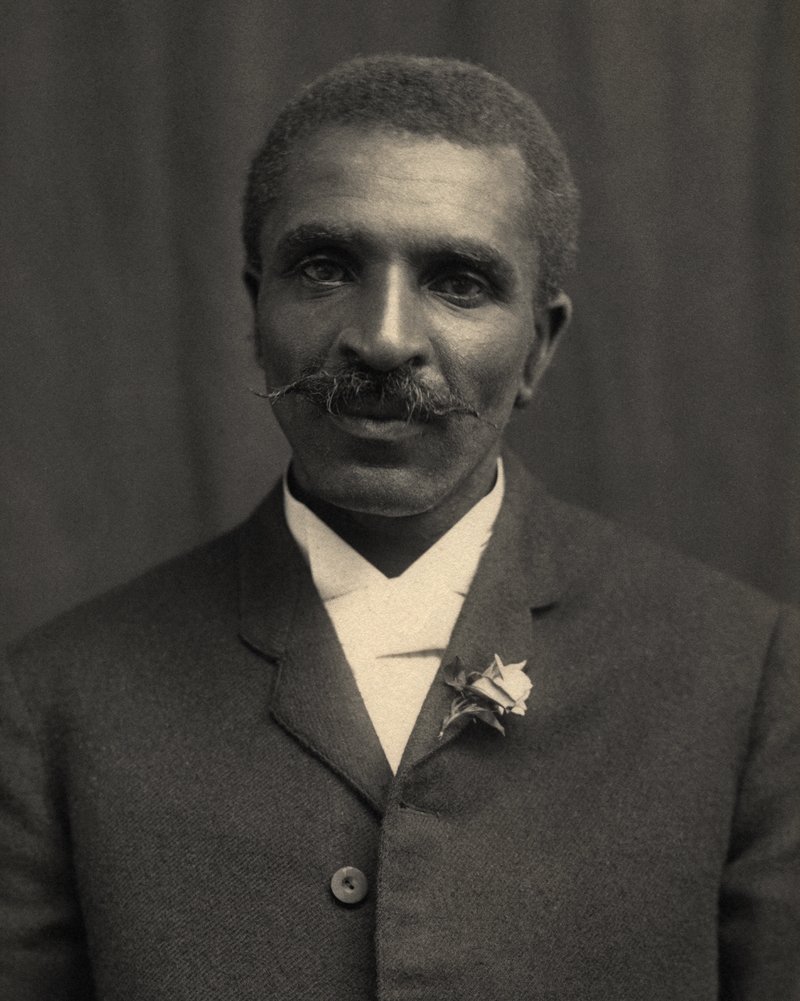
George Washington Carver
c. 1864–1943
Brilliant scientist who revolutionized Southern agriculture and discovered hundreds of uses for peanuts, sweet potatoes, and soybeans.
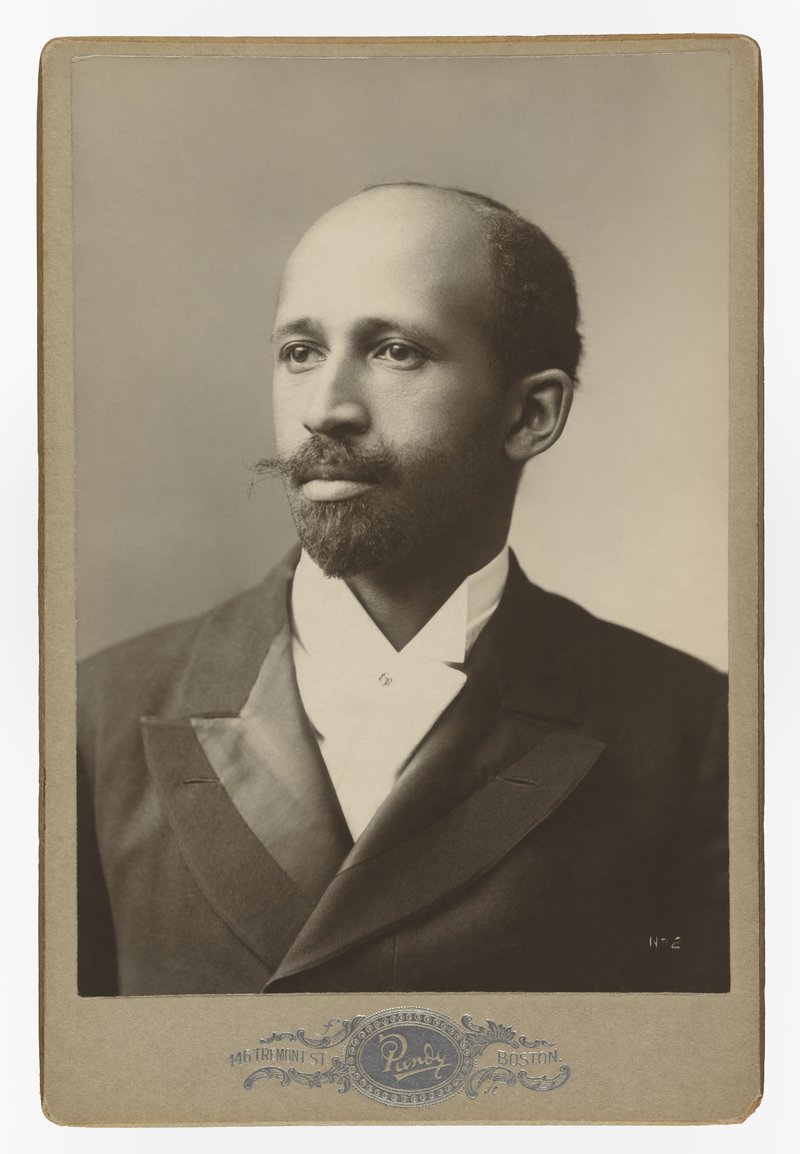
W.E.B. Du Bois
1868–1963
Brilliant scholar and co-founder of the NAACP who fought for full civil rights and equality for Black Americans through education and activism.
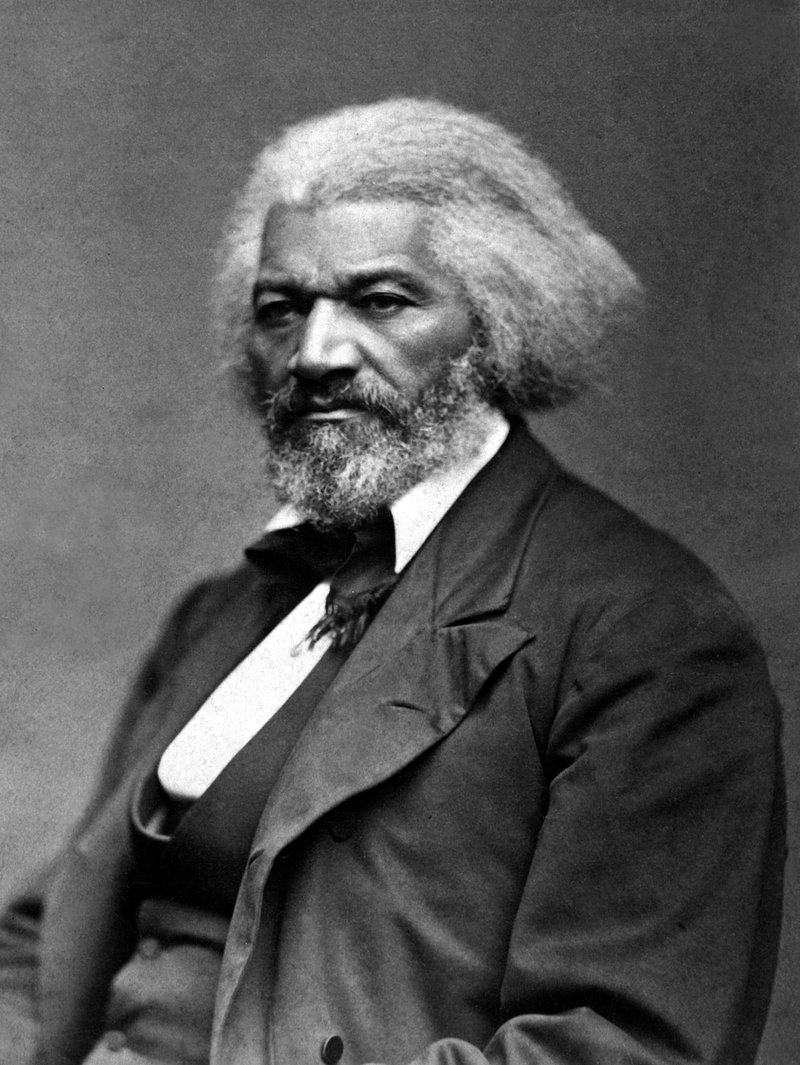
Frederick Douglass
February 1818–1895
Escaped slavery to become one of the most powerful voices against slavery in American history through his writing and speeches.