W.E.B. Du Bois
February 23, 1868–August 27, 1963
Brilliant scholar and co-founder of the NAACP who fought for full civil rights and equality for Black Americans through education and activism.
View Teaching Bundle →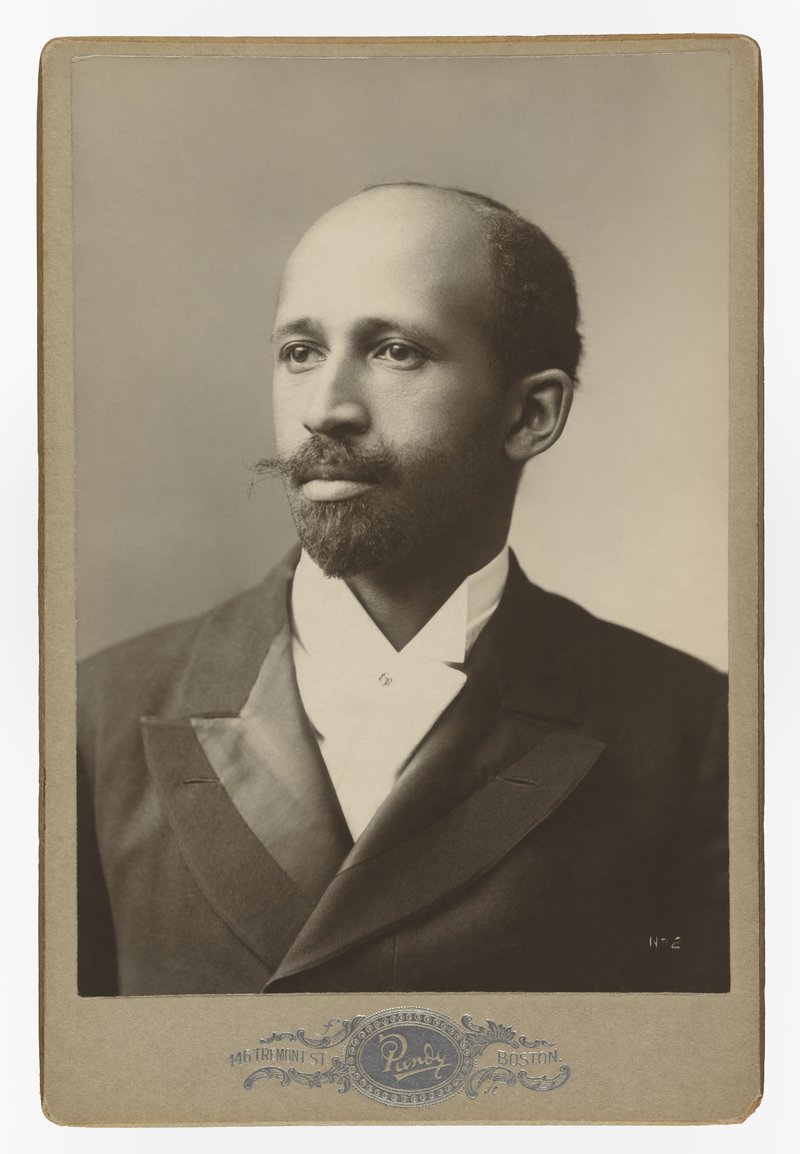
Who Was W.E.B. Du Bois?
Brilliant scholar and co-founder of the NAACP who fought for full civil rights and equality for Black Americans through education and activism.
William Edward Burghardt Du Bois was born on February 23, 1868, in Great Barrington, Massachusetts. Unlike many prominent Black figures of his era, Du Bois grew up in the North and attended integrated schools. He was an exceptional student from an early age. He attended Fisk University in Nashville, Tennessee, where he first experienced the harsh realities of racial segregation in the South. He then enrolled at Harvard University, becoming the first African American to earn a PhD from Harvard in 1895. His doctoral dissertation on the suppression of the African slave trade became a foundational work of American history.
Du Bois became a professor of sociology at Atlanta University, where he produced groundbreaking studies on Black life in America. His 1903 book The Souls of Black Folk challenged Booker T. Washington's approach and argued that Black Americans should fight for full civil rights immediately, not wait for gradual change. He coined the concept of the 'Talented Tenth,' the idea that educated Black leaders should guide the community toward equality. In 1909, Du Bois co-founded the National Association for the Advancement of Colored People (NAACP) and edited its magazine, The Crisis, for 25 years, making it the leading voice for civil rights in America.
"The problem of the twentieth century is the problem of the color line."- W.E.B. Du Bois, The Souls of Black Folk, 1903
Du Bois was a towering intellectual figure for over six decades. He organized the first Pan-African Congress in 1919, connecting the struggle of Black Americans with Black people worldwide. He authored over 20 books and hundreds of essays on race, history, and society. His concept of 'double consciousness,' the feeling of seeing yourself through the eyes of a society that looks at you with contempt, remains one of the most important ideas in American thought. Du Bois died on August 27, 1963, in Accra, Ghana, at age 95... just one day before the March on Washington where Dr. King delivered his 'I Have a Dream' speech.
Key Events in W.E.B. Du Bois's Life
Watch and Learn
Learn more about the life and legacy of W.E.B. Du Bois.
Did You Know?
Du Bois died on August 27, 1963... just one day before the March on Washington. His death was announced to the crowd of 250,000 people gathered at the Lincoln Memorial.
He was the first African American to earn a PhD from Harvard University.
Du Bois edited The Crisis magazine for 25 years, growing it to a circulation of over 100,000, making it the most widely read Black publication in America.
He lived to be 95 years old, remaining intellectually active until the end of his life.
Test Your Knowledge
How well do you know W.E.B. Du Bois? Take this quick 5-question quiz!
Want to teach this story? We've done the work for you.
W.E.B. Du Bois Complete Teaching Bundle
Lesson Plan
8-page comprehensive lesson plan with learning objectives, activities, and assessment. Differentiation included.
Student Workbook
12-section interactive workbook with reading passages, activities, quizzes, and a completion certificate.
Flashcard Set
40 cards across 6 categories: vocabulary, key facts, events, quotes, fun facts, and review challenges.
Instant digital download · Printable PDF · Grades 4–8 · Verified accurate
Here's a peek inside...
📖 Lesson Plan
📝 Student Workbook
Read the passage about W.E.B. Du Bois and answer the questions below.
🃏 Flashcard Set - Click to Flip!
Click the card to flip it
Get a Free Sample
Try before you buy! Enter your email to receive a free 2-page sample from the W.E.B. Du Bois lesson plan. No spam, just history.
Who Is This For?
Teachers
Save hours of lesson planning. Print-ready materials with learning objectives, differentiation notes, and assessment tools built in.
Parents
Supplement your child's education with accurate, engaging resources. Perfect for homeschooling or enrichment at home.
Students
Fun flashcards, hands-on activities, and creative projects that make learning history exciting and memorable.
You Might Also Like
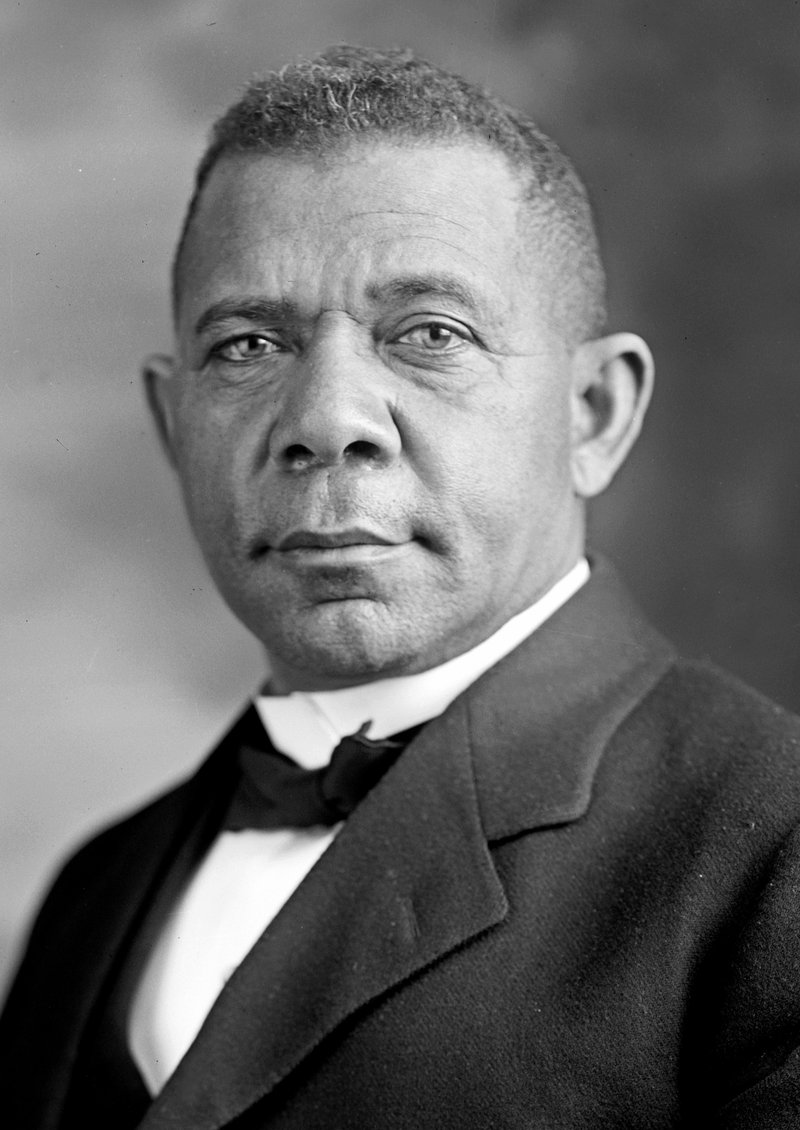
Booker T. Washington
1856–1915
Born into slavery, he became the most influential Black educator of his era and founded the Tuskegee Institute.
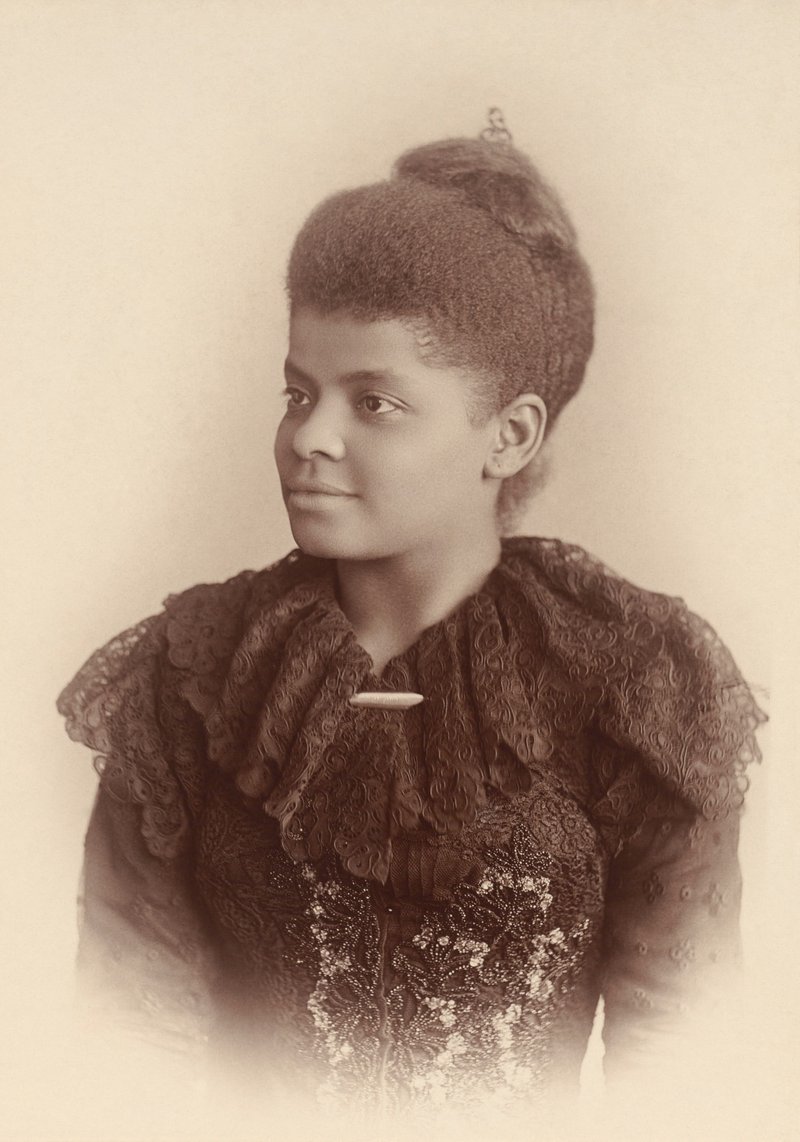
Ida B. Wells
1862–1931
Fearless journalist and activist who led a national crusade against lynching and co-founded the NAACP.
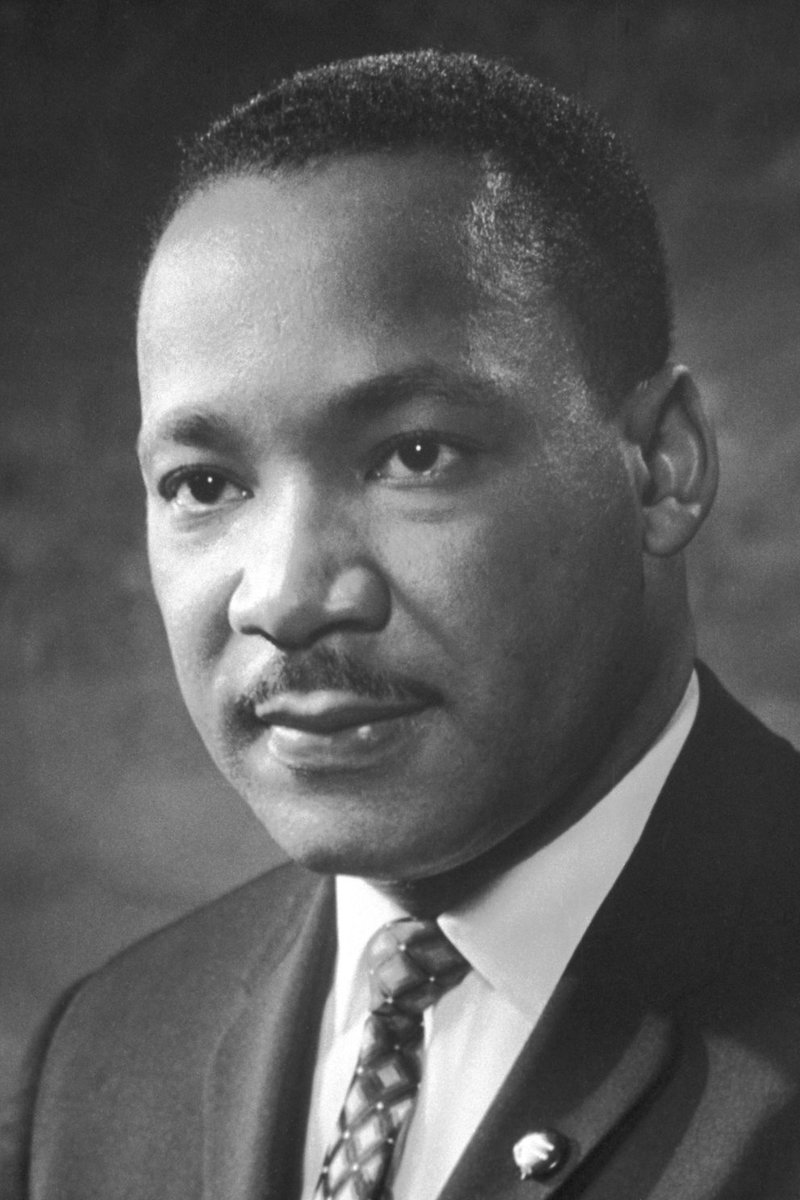
Martin Luther King Jr.
1929–1968
Baptist minister and civil rights leader who led the movement for racial equality through nonviolent protest.