Tuskegee Institute
Founded by Booker T. Washington in 1881, Tuskegee Institute became a leading center for Black education, vocational training, and scientific research under George Washington Carver.
View Teaching Bundle →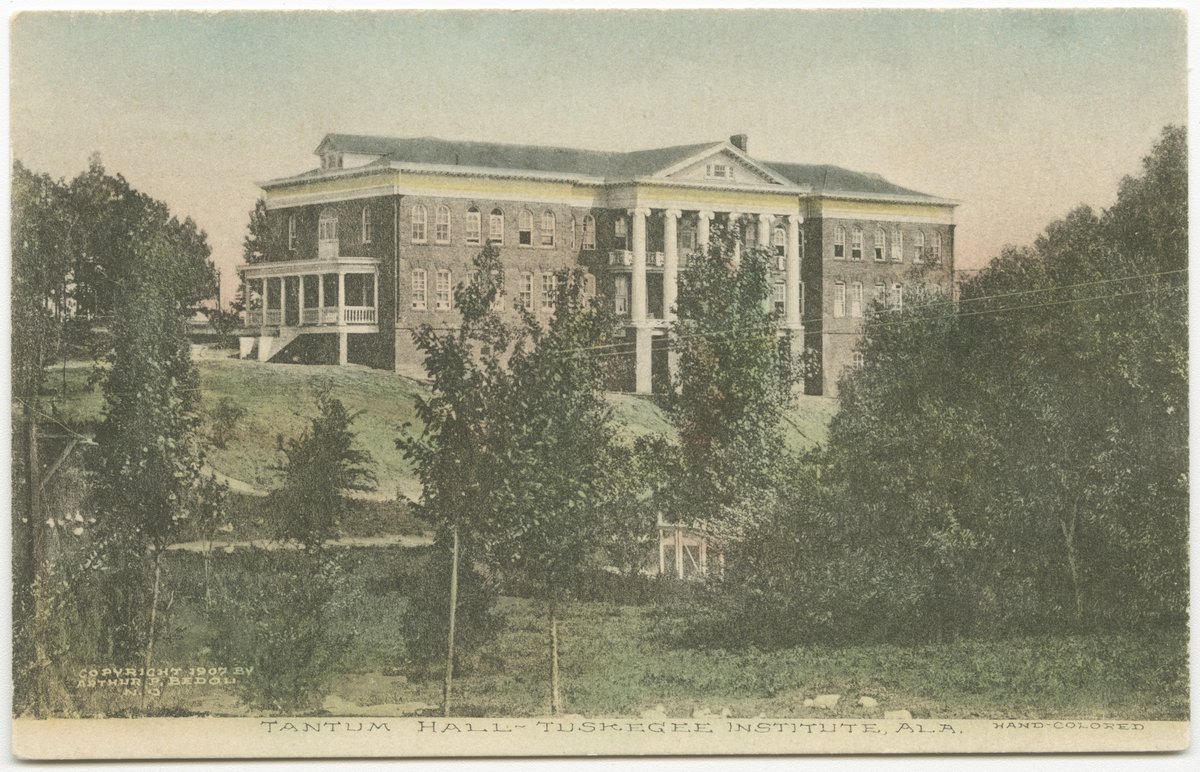
What Is Tuskegee Institute?
Founded by Booker T. Washington in 1881, Tuskegee Institute became a leading center for Black education, vocational training, and scientific research under George Washington Carver.
In 1881, a young man named Booker T. Washington arrived in Tuskegee, Alabama with a mission: to build a school for Black students in a state where most Black people had been enslaved just sixteen years before. He had almost nothing to start — no building, no equipment, and barely any money. What he had was belief, vision, and extraordinary determination. Washington started by renting a church and holding classes in a broken-down shanty. Then he did something remarkable: he had his students build the school themselves. They made the bricks, raised the walls, and constructed the buildings where they would learn. In doing so, they didn't just build a school — they built confidence, capability, and pride. The school Washington founded, the Tuskegee Normal and Industrial Institute, grew into one of the most important educational institutions in American history. In 1896, the brilliant scientist George Washington Carver joined as head of the agriculture department. His research on peanuts, sweet potatoes, and soil enrichment transformed Southern farming and helped thousands of poor farmers — Black and white — improve their lives. During World War II, Tuskegee became connected to one of America's greatest aviation stories. The Tuskegee Airmen — the first Black military pilots in American history — trained at Tuskegee Army Air Field, a U.S. Army facility located near the Institute. The 332nd Fighter Group flew with such distinction in Europe that they became legends. Today, Tuskegee University has over 3,000 students, a law school, a veterinary school, and graduate programs across many fields. It is a National Historic Site — a place where American excellence was built, one brick at a time.
Historical Significance
Tuskegee Institute holds a towering place in Black American history for multiple reasons. Founded in the bitter aftermath of the Civil War in the heart of Alabama, it proved that Black Americans could build world-class institutions even without government support or adequate resources. Booker T. Washington's philosophy of self-reliance and practical education influenced generations of Black leaders and thinkers. His model — education that combined academic learning with practical skill — was controversial in some quarters but undeniably transformative for thousands of students. George Washington Carver's research at Tuskegee is among the most celebrated in American agricultural history. His work on crop diversification helped break the destructive cycle of cotton monoculture and improved the lives of Southern farmers across racial lines. The Tuskegee Airmen are perhaps the most celebrated figures associated with Tuskegee — Black aviators who overcame institutional racism to fly with distinction in World War II and proved once and for all that Black Americans were fully capable of serving at the highest levels of military service. Tuskegee's legacy is the power of education, self-determination, and excellence as tools of liberation.
Key Events at This Place
Watch and Learn
Did You Know?
Students Built the Bricks
Washington's early students had no classroom building, so they learned how to make bricks and then used those bricks to build the school itself — a powerful lesson in self-reliance and the dignity of skilled labor.
Carver and the Peanut
George Washington Carver developed more than 300 uses for the peanut — from cooking oils and cosmetics to paint and ink. He helped farmers grow crops that could sustain the soil rather than deplete it.
The Airmen's Remarkable Combat Record
The Tuskegee Airmen flew escort missions protecting Allied bombers over Europe. They are celebrated for their outstanding combat record and their role in pushing the U.S. military toward desegregation.
A School Built on $2,000 and Determination
The Alabama legislature appropriated $2,000 for teachers' salaries when Washington arrived — but nothing for land or buildings. Washington and his students built everything themselves from the ground up.
Veterinary School is One of a Kind
Tuskegee University's College of Veterinary Medicine is the only accredited veterinary school at a historically Black college or university in the United States.
Key Figures Connected to This Place
The people whose stories are tied to this historic location.
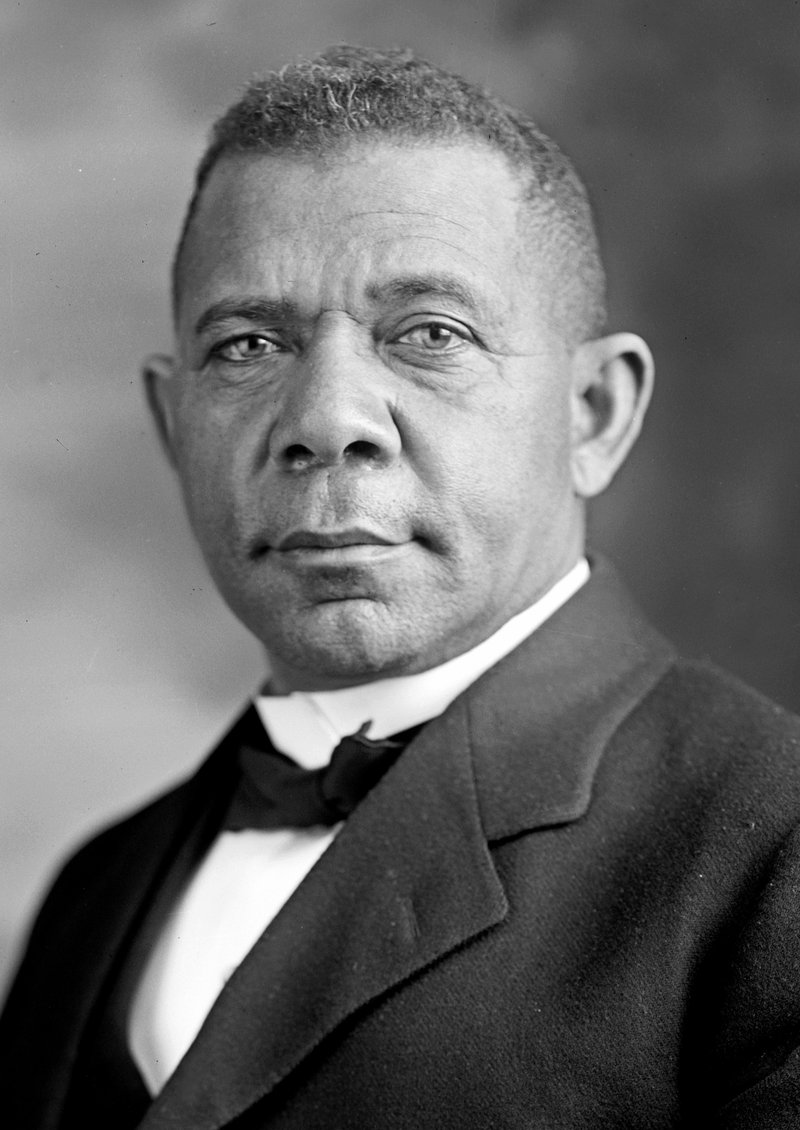
Booker T. Washington
1856–1915
Born into slavery, he became the most influential Black educator of his era and founded the Tuskegee Institute.
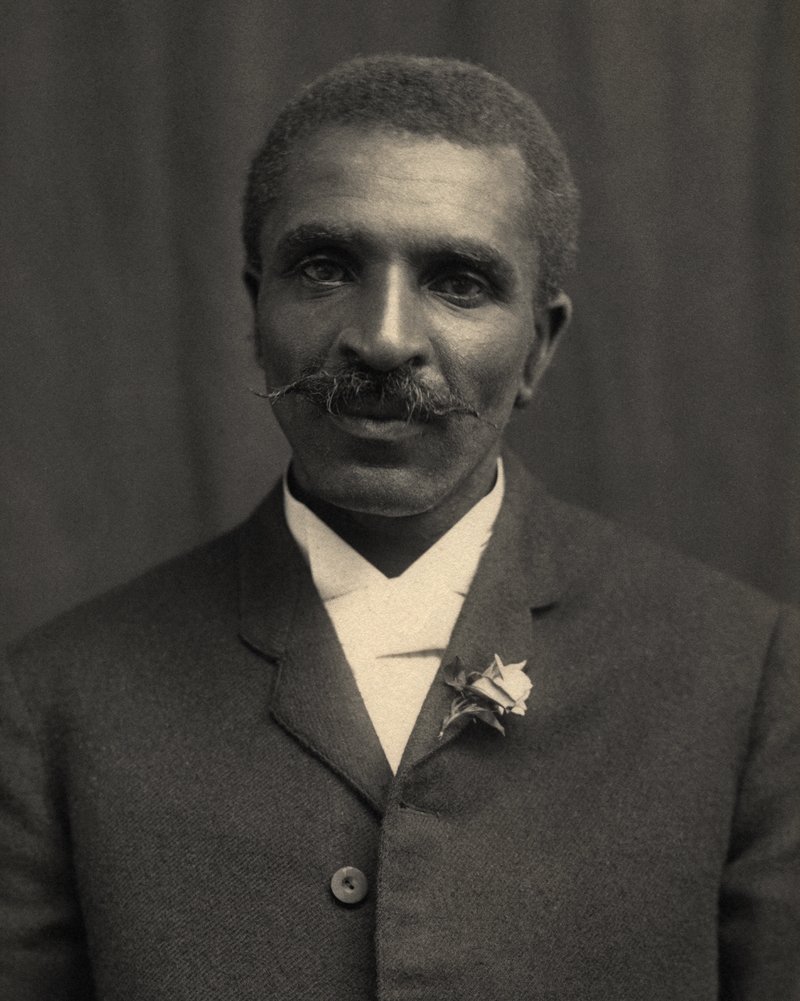
George Washington Carver
c. 1864–1943
Brilliant scientist who revolutionized Southern agriculture and discovered hundreds of uses for peanuts, sweet potatoes, and soybeans.
Related Places
Other important places in Black history.
Want to teach this place? We've done the work for you.
Tuskegee Institute Complete Teaching Bundle
Lesson Plan
Comprehensive lesson plan covering the location's history, significance, key events, and lasting impact.
Student Workbook
Interactive workbook with reading passages, geography activities, then-and-now comparisons, and a quiz.
Flashcard Set
40 cards covering vocabulary, key facts, geography, historical context, and review challenges.
Instant digital download · Printable PDF · Grades 4–8 · Verified accurate
Here's a peek inside...
📖 Lesson Plan
📝 Student Workbook
Read the passage about Tuskegee Institute and answer the questions below.
🃏 Flashcard Set - Click to Flip!
Click the card to flip it
Get a Free Sample
Try before you buy! Enter your email to receive a free sampler with flashcards, activities, and a lesson plan excerpt. No spam, just history.