16th Street Baptist Church Bombing
A bomb planted by white supremacists at the 16th Street Baptist Church in Birmingham, Alabama, killed four young girls and shocked the nation into supporting civil rights legislation.
View Teaching Bundle →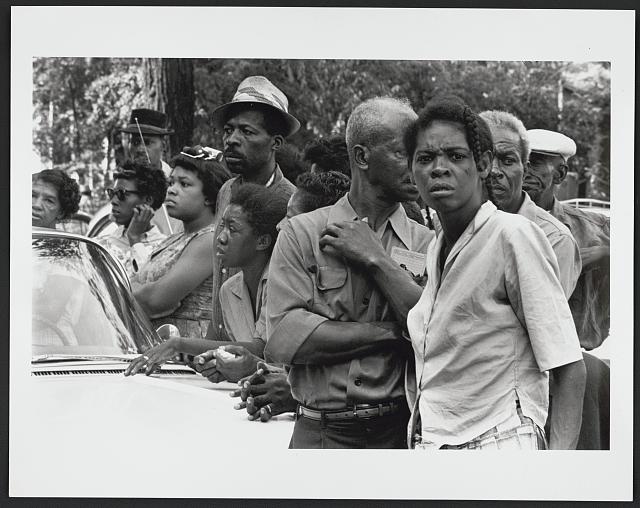
What Was the 16th Street Baptist Church Bombing?
A bomb planted by white supremacists at the 16th Street Baptist Church in Birmingham, Alabama, killed four young girls and shocked the nation into supporting civil rights legislation.
On the morning of September 15, 1963, the 16th Street Baptist Church in Birmingham, Alabama, was filled with people getting ready for Sunday services. The church was more than a place of worship — it was a gathering place for the civil rights community in Birmingham, where activists had organized marches and meetings throughout the spring and summer. That morning, four young girls — Addie Mae Collins (age 14), Cynthia Wesley (age 14), Carole Robertson (age 14), and Carol Denise McNair (age 11) — were in the basement preparing for the church's Youth Day service. Just before 10:22 a.m., a bomb planted beneath the church steps exploded, destroying part of the building and injuring 22 people. The four girls lost their lives. A fifth person, Sarah Collins — Addie Mae's younger sister, who was also in the basement — survived but was seriously injured and permanently lost sight in one eye. Sarah Collins is an often-overlooked part of this story, and her courage in speaking about what happened has helped keep the memory of the four girls alive for decades. The bombing was the work of members of the Ku Klux Klan. Birmingham had earned the grim nickname 'Bombingham' — by 1963, the city had seen more than 50 unsolved bombings of Black churches, homes, and businesses. The attack on the 16th Street Baptist Church was the deadliest. The bombing happened just 18 days after the historic March on Washington, where Dr. Martin Luther King Jr. had shared his dream of a nation united by justice and equality. The contrast between that day of hope and this act of hatred was not lost on the nation. Riots broke out in Birmingham in the aftermath of the bombing; two more Black youths were killed by police that day. The attack shocked the entire country. People across America — of all races and backgrounds — were horrified that children had been targeted in a house of worship. Dr. King spoke at the joint funeral for three of the girls on September 18, calling their lives a message to all Americans. (Carole Robertson's family held a separate, private funeral.) The bombing strengthened the resolve of civil rights leaders and ordinary citizens to push for change. The wave of national grief and outrage helped build the support needed to pass the Civil Rights Act of 1964. The road to justice for the bombing was long — and incomplete. The FBI investigated in the 1960s but FBI Director J. Edgar Hoover blocked federal prosecution and sat on evidence. Robert Chambliss was finally convicted in 1977, Thomas Blanton Jr. in 2001, and Bobby Frank Cherry in 2002. A fourth suspect, Herman Frank Cash, died in 1994 without ever being charged. Today, the 16th Street Baptist Church still stands as a National Historic Landmark (designated in 2006), honoring the memory of four girls whose lives remind us of the cost of hatred and the enduring power of hope.
Timeline
Watch and Learn
Did You Know?
The Church Was a Meeting Place for Change
The 16th Street Baptist Church was not just a place of worship — it was where civil rights activists in Birmingham gathered to organize marches and plan their campaign against segregation. Young people often met there to prepare for peaceful protests.
It Happened on Youth Day
September 15, 1963, was Youth Day at the church — a special Sunday when young people would lead parts of the worship service. The four girls were in the basement getting ready to participate when the bomb went off.
A Fifth Girl Was There Too
Sarah Collins, Addie Mae's younger sister, was also in the basement that morning. She survived the bombing but was seriously injured and permanently lost sight in one eye. For many years, Sarah's story was largely overlooked. She has bravely shared her experience to ensure people never forget what happened.
Thousands Attended the Funeral
Dr. Martin Luther King Jr. delivered the eulogy at the joint funeral for three of the four girls. Over 8,000 people attended, and the service drew national and international attention to the human cost of racial hatred.
The Church Was Rebuilt and Reopened
After the bombing, people from across the country sent donations to help rebuild the 16th Street Baptist Church. The church was repaired and reopened, and it continues to serve its congregation and community to this day.
Congress Awarded the Girls the Congressional Gold Medal
In 2013, the United States Congress posthumously awarded the Congressional Gold Medal to Addie Mae Collins, Cynthia Wesley, Carole Robertson, and Carol Denise McNair — one of the highest civilian honors in the country.
Key Figures Involved
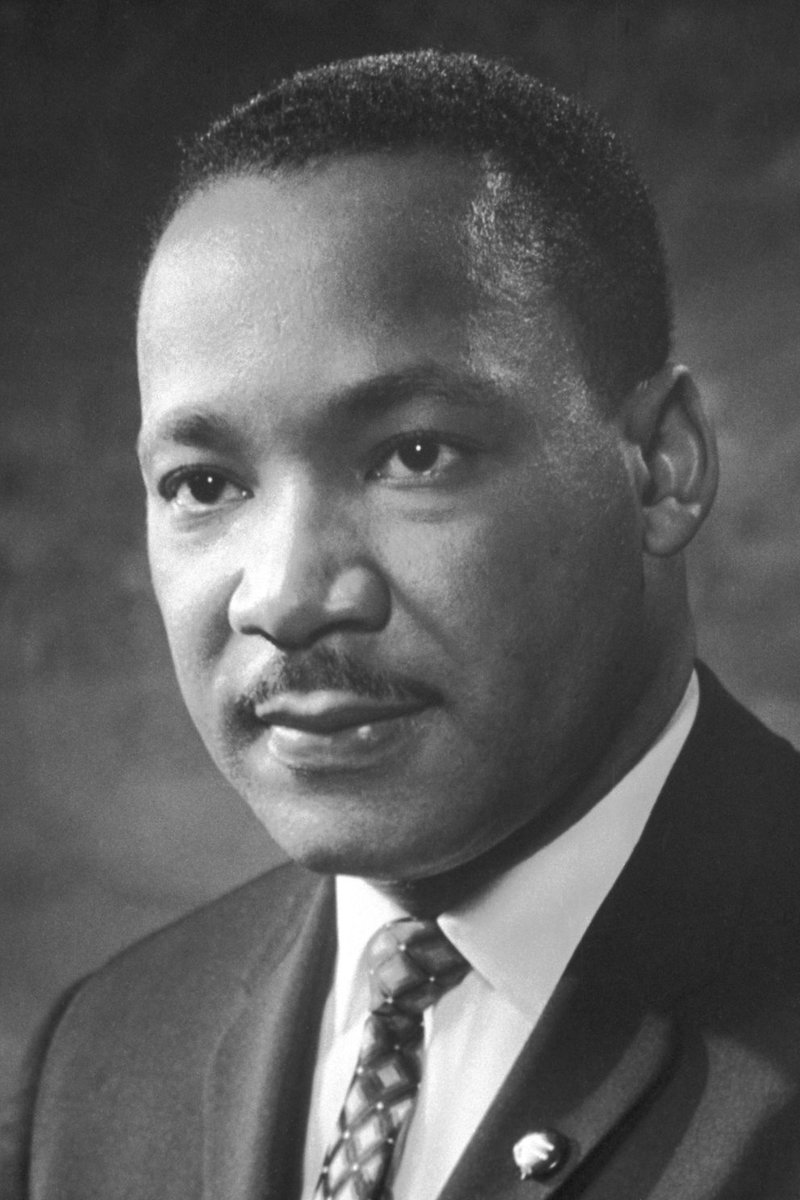
The people who played a role in this event.
Related Events
Other landmark events connected to this moment in history.
August 28, 1963
March on Washington
Over 250,000 people gathered at the Lincoln Memorial, where Martin Luther King Jr. delivered his iconic 'I Have a Dream' speech, demanding civil rights and economic justice.
July 2, 1964
Civil Rights Act Signed
President Lyndon B. Johnson signed the Civil Rights Act of 1964 into law, outlawing discrimination based on race, color, religion, sex, or national origin.
Want to teach this event? We've done the work for you.
16th Street Baptist Church Bombing Complete Teaching Bundle
Lesson Plan
Comprehensive lesson plan covering the full event with learning objectives, activities, and assessment.
Student Workbook
Interactive workbook with reading passages, timeline activities, primary source analysis, and a quiz.
Flashcard Set
40 cards covering vocabulary, key facts, people, causes, effects, and review challenges.
Instant digital download · Printable PDF · Grades 4–8 · Verified accurate
Here's a peek inside...
📖 Lesson Plan
📝 Student Workbook
Read the passage about 16th Street Baptist Church Bombing and answer the questions below.
🃏 Flashcard Set - Click to Flip!
Click the card to flip it
Get a Free Sample
Try before you buy! Enter your email to receive a free sampler with flashcards, activities, and a lesson plan excerpt. No spam, just history.