Sojourner Truth
1797–November 26, 1883
Formerly enslaved woman who became one of the most powerful voices for abolition and women's rights in 19th-century America.
View Teaching Bundle →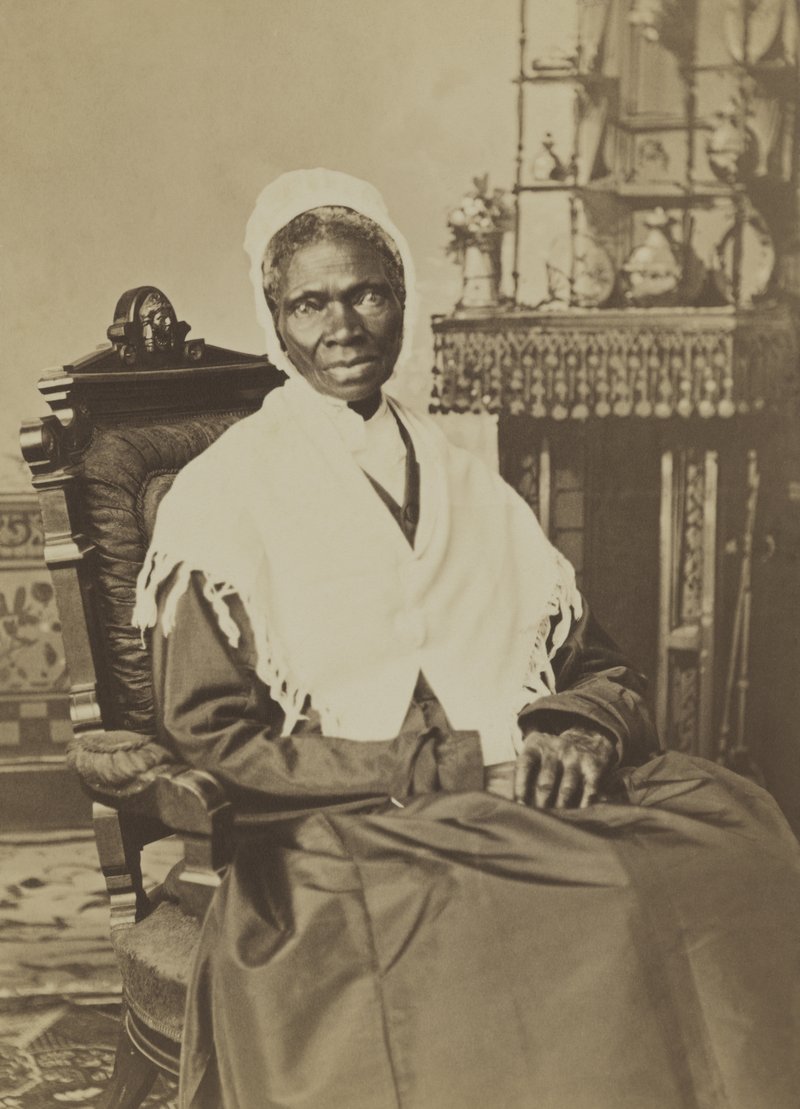
Who Was Sojourner Truth?
Formerly enslaved woman who became one of the most powerful voices for abolition and women's rights in 19th-century America.
Sojourner Truth was born Isabella Baumfree around 1797 in Swartekill, New York. Her first language was Dutch, as she was enslaved by a Dutch-speaking family. She was sold several times as a child, separated from her parents, and endured harsh treatment from her enslavers. In 1826, she escaped to freedom with her infant daughter, walking to the home of a family who paid her enslaver for her services for the remainder of the year. She became one of the first Black women in America to successfully sue a white man when she went to court to recover her son, who had been illegally sold into slavery in Alabama.
In 1843, Isabella Baumfree changed her name to Sojourner Truth, saying God had called her to travel the land and speak the truth. She became a powerful preacher and abolitionist, traveling across the country delivering speeches against slavery. At nearly six feet tall with a deep, commanding voice, she captivated audiences. Her most famous speech, known as 'Ain't I a Woman?,' was delivered at the 1851 Women's Rights Convention in Akron, Ohio. In it, she challenged the idea that women were weak and demanded equal rights for both Black people and women. During the Civil War, she helped recruit Black troops for the Union Army and worked to improve conditions for freed slaves.
"Ain't I a woman? I could work as much and eat as much as a man, when I could get it, and bear the lash as well! And ain't I a woman?"- Sojourner Truth, Women's Rights Convention, Akron, Ohio, 1851
After the Civil War, Truth continued advocating for the rights of formerly enslaved people, including pushing for land grants from the federal government. She met with President Abraham Lincoln at the White House in 1864. She remained an active speaker and advocate for justice until her health declined in the late 1870s. Truth died on November 26, 1883, in Battle Creek, Michigan. Her life, from enslaved child who spoke no English to one of America's most powerful orators, stands as one of the most extraordinary stories in American history. In 2009, a bust of Sojourner Truth was unveiled in the U.S. Capitol.
Key Events in Sojourner Truth's Life
Watch and Learn
Learn more about the life and legacy of Sojourner Truth.
Did You Know?
Truth's first language was Dutch, not English. She didn't learn English until she was sold to an English-speaking enslaver around age 9.
She was nearly six feet tall, which was very unusual for a woman in the 1800s. Her height and powerful voice made her an unforgettable speaker.
She never learned to read or write, yet she became one of the most quoted Americans of the 19th century.
Truth was one of the first Black women in the United States to win a court case against a white man, recovering her son from illegal slavery.
Test Your Knowledge
How well do you know Sojourner Truth? Take this quick 5-question quiz!
Want to teach this story? We've done the work for you.
Sojourner Truth Complete Teaching Bundle
Lesson Plan
8-page comprehensive lesson plan with learning objectives, activities, and assessment. Differentiation included.
Student Workbook
12-section interactive workbook with reading passages, activities, quizzes, and a completion certificate.
Flashcard Set
40 cards across 6 categories: vocabulary, key facts, events, quotes, fun facts, and review challenges.
Instant digital download · Printable PDF · Grades 4–8 · Verified accurate
Here's a peek inside...
📖 Lesson Plan
📝 Student Workbook
Read the passage about Sojourner Truth and answer the questions below.
🃏 Flashcard Set - Click to Flip!
Click the card to flip it
Get a Free Sample
Try before you buy! Enter your email to receive a free 2-page sample from the Sojourner Truth lesson plan. No spam, just history.
Who Is This For?
Teachers
Save hours of lesson planning. Print-ready materials with learning objectives, differentiation notes, and assessment tools built in.
Parents
Supplement your child's education with accurate, engaging resources. Perfect for homeschooling or enrichment at home.
Students
Fun flashcards, hands-on activities, and creative projects that make learning history exciting and memorable.
You Might Also Like
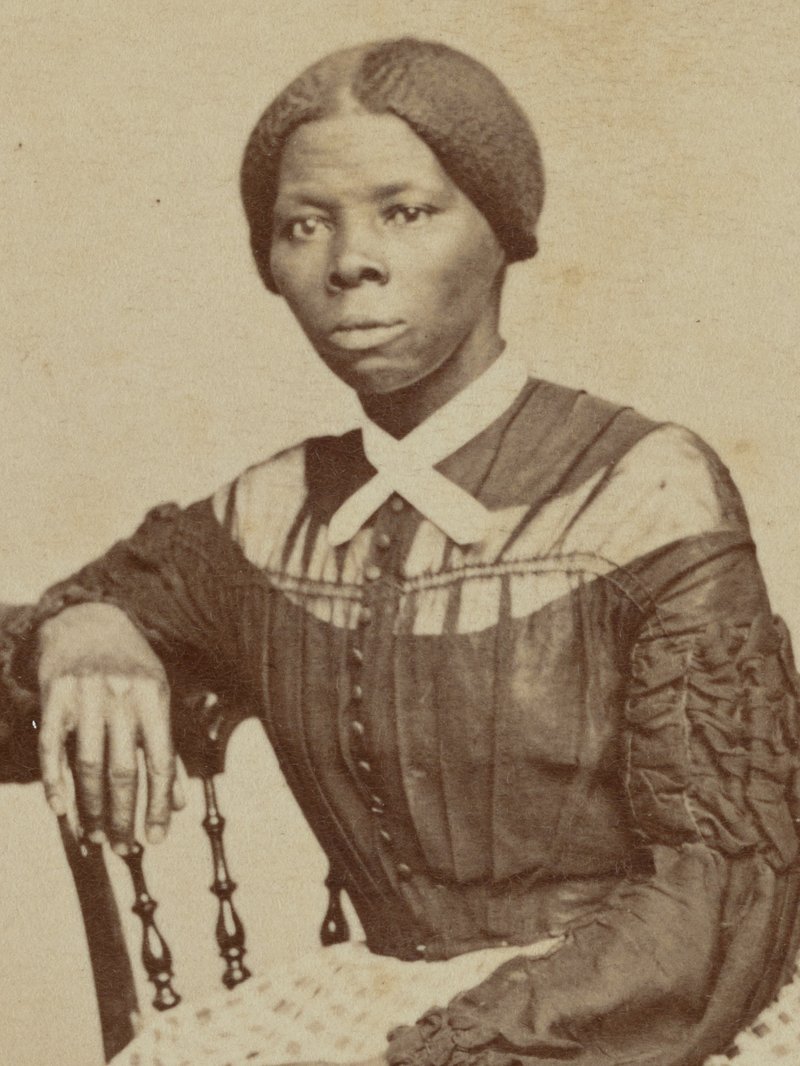
Harriet Tubman
March 1822–1913
Escaped enslaved woman who became the most famous conductor on the Underground Railroad, leading over 70 people to freedom.
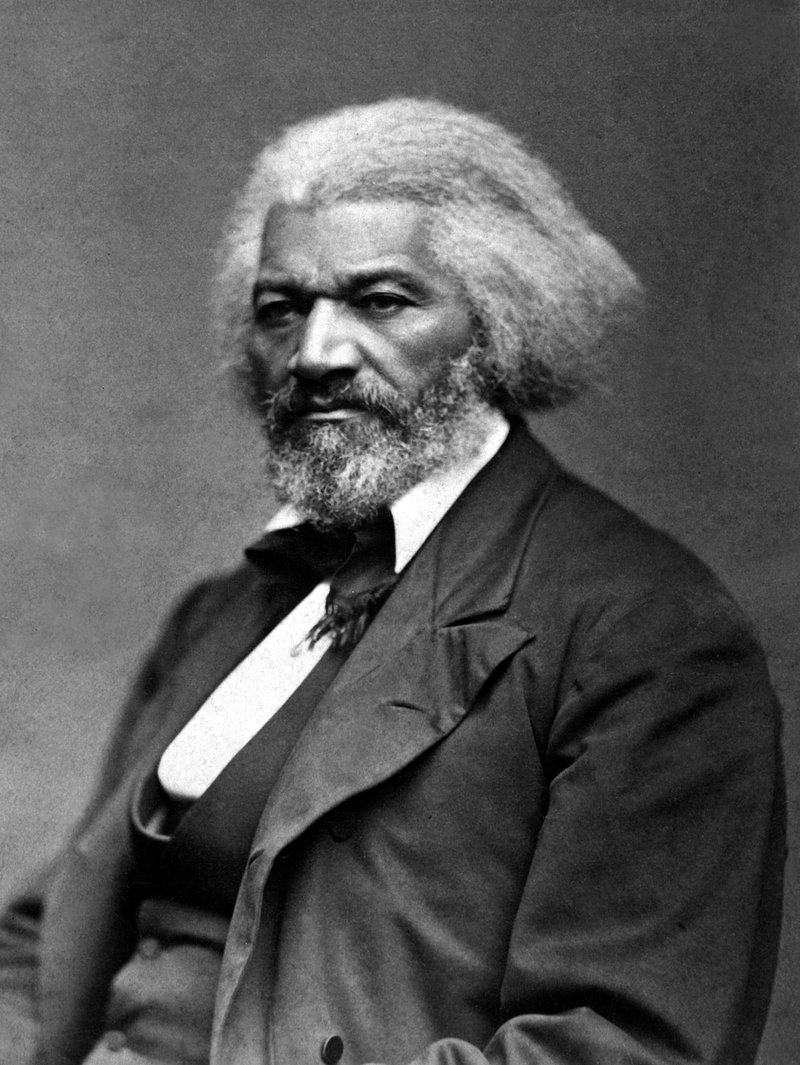
Frederick Douglass
February 1818–1895
Escaped slavery to become one of the most powerful voices against slavery in American history through his writing and speeches.
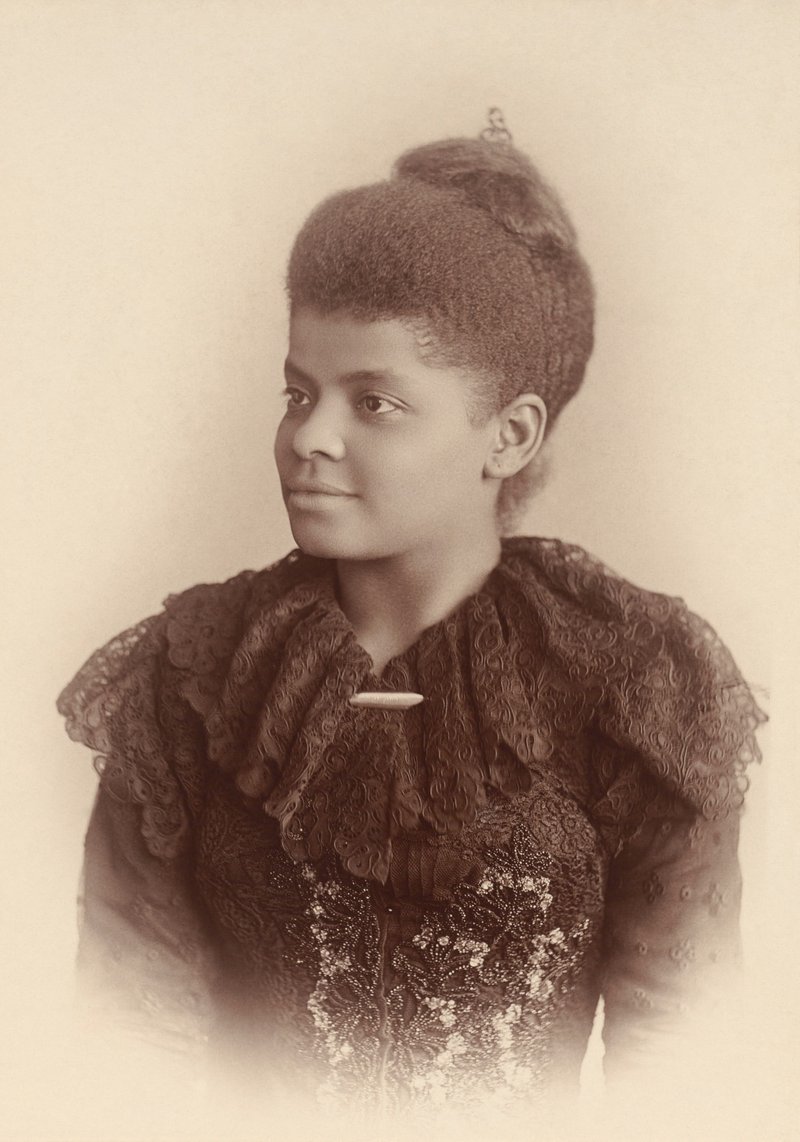
Ida B. Wells
1862–1931
Fearless journalist and activist who led a national crusade against lynching and co-founded the NAACP.