The Black Power Era
A transformative period when Black Americans demanded self-determination, celebrated Black identity, built community institutions, and pursued political power on their own terms.
View Teaching Bundle →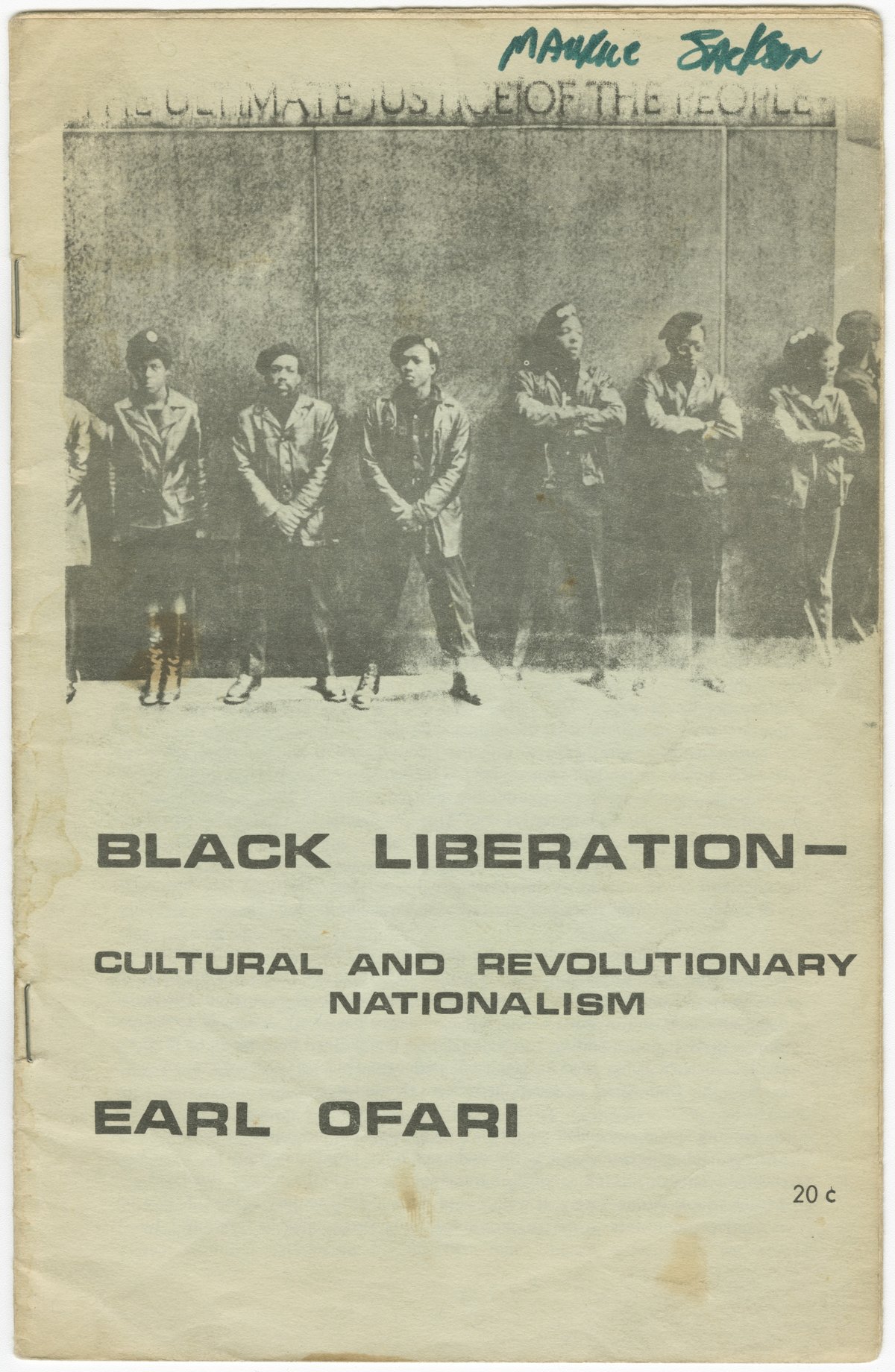
What Was the The Black Power Era?
A transformative period when Black Americans demanded self-determination, celebrated Black identity, built community institutions, and pursued political power on their own terms.
By the mid-1960s, many Black Americans felt that the Civil Rights Movement's victories — the Civil Rights Act of 1964 and the Voting Rights Act of 1965 — hadn't changed enough. In Northern cities, Black families still faced poverty, police brutality, and neighborhoods neglected by the government. A new movement began to grow, with a powerful new message: Black Power. The Black Power era, lasting from about 1965 to 1980, called for Black communities to take control of their own lives. Instead of asking to be included in white institutions, Black Power said: build our own. Leaders like Malcolm X inspired a new generation to embrace Black pride and self-determination. The Black Panther Party, founded in Oakland in 1966, started community programs that fed hungry children, provided free health care, and organized neighborhoods. 'Black is Beautiful' became a rallying cry that changed how Black Americans saw themselves and how the world saw them. The era also brought Black Americans into political power like never before — Shirley Chisholm became the first Black woman in Congress, and Black mayors were elected in major cities. Though the FBI tried to crush the movement, its ideas about pride, community power, and self-determination live on today.
Key Events
Did You Know?
The Panthers Fed Thousands of Kids
The Black Panther Party's Free Breakfast for Children Program grew from a single church in Oakland to feeding thousands of children across the country every morning. The program helped inspire the government to expand free school breakfast nationwide.
'Black is Beautiful' Changed Everything
Before the Black Power era, many beauty standards in America were based on European features. 'Black is Beautiful' told Black Americans to be proud of their natural hair, skin color, and African heritage — a message that changed fashion, art, and self-image forever.
A Holiday Was Born
In 1966, scholar Maulana Karenga created Kwanzaa, a seven-day celebration of Black culture and community inspired by African harvest festivals. It is now celebrated by millions of people worldwide every December 26 through January 1.
Two Athletes Changed the Olympics
When Tommie Smith and John Carlos raised their fists at the 1968 Olympics, they were expelled and received death threats. But their silent protest became one of the most powerful images in sports history and inspired athletes for generations.
The FBI Tried to Stop the Movement
The FBI's secret COINTELPRO program spied on Black Power leaders, spread lies to create conflicts between organizations, and even coordinated raids that killed leaders. The program was exposed in 1971 and later condemned by Congress.
Historical Images
Primary sources from the The Black Power Era era
<I>Black Liberation - Cultural and Revolutionary Nationalism</I>
Source: Smithsonian NMAAHC CC0 (Smithsonian Open Access)
![[Raised fist symbolizing Black power surrounded by flowers]](/images/eras/black-power-era/black-power-era-02.jpg)
[Raised fist symbolizing Black power surrounded by flowers]
Source: Library of Congress No known restrictions (LOC)
![[Colorful raised fist symbolizing Black power]](/images/eras/black-power-era/black-power-era-03.jpg)
[Colorful raised fist symbolizing Black power]
Source: Library of Congress No known restrictions (LOC)
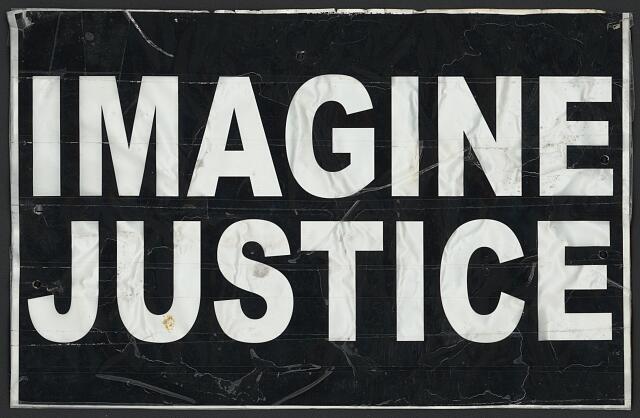
Imagine justice
Source: Library of Congress No known restrictions (LOC)
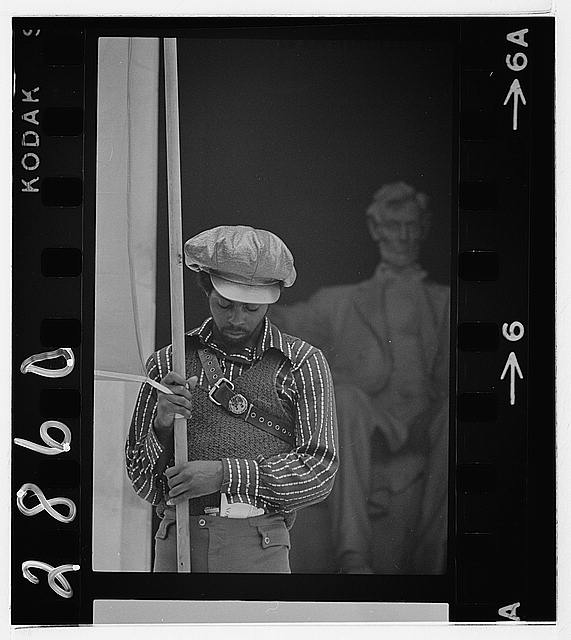
Black Panther Convention, Lincoln Memorial
Source: Library of Congress No known restrictions (LOC)
Key Figures of The Black Power Era
The people who shaped this era.
Want to teach this era? We've done the work for you.
The Black Power Era Complete Teaching Bundle
Lesson Plan
Comprehensive lesson plan covering the full era with learning objectives, activities, and assessment.
Student Workbook
Interactive workbook with reading passages, timeline activities, primary source analysis, and a quiz.
Flashcard Set
40 cards covering vocabulary, key facts, events, important people, and review challenges.
Instant digital download · Printable PDF · Grades 4–8 · Verified accurate
Here's a peek inside...
📖 Lesson Plan
📝 Student Workbook
Read the passage about The Black Power Era and answer the questions below.
🃏 Flashcard Set - Click to Flip!
Click the card to flip it
Get a Free Sample
Try before you buy! Enter your email to receive a free sampler with flashcards, activities, and a lesson plan excerpt. No spam, just history.
Go Deeper: Individual Figure Bundles
Each figure from this era has their own complete teaching bundle.
Martin Luther King Jr.
Complete teaching bundle: lesson plan, workbook, and 40-card flashcard set.
View Bundle →Rosa Parks
Complete teaching bundle: lesson plan, workbook, and 40-card flashcard set.
View Bundle →