Automatic Elevator Doors
Alexander Miles patented automatic opening and closing elevator doors, eliminating the dangerous manual shaft doors that caused injuries and deaths.
View Teaching Bundle →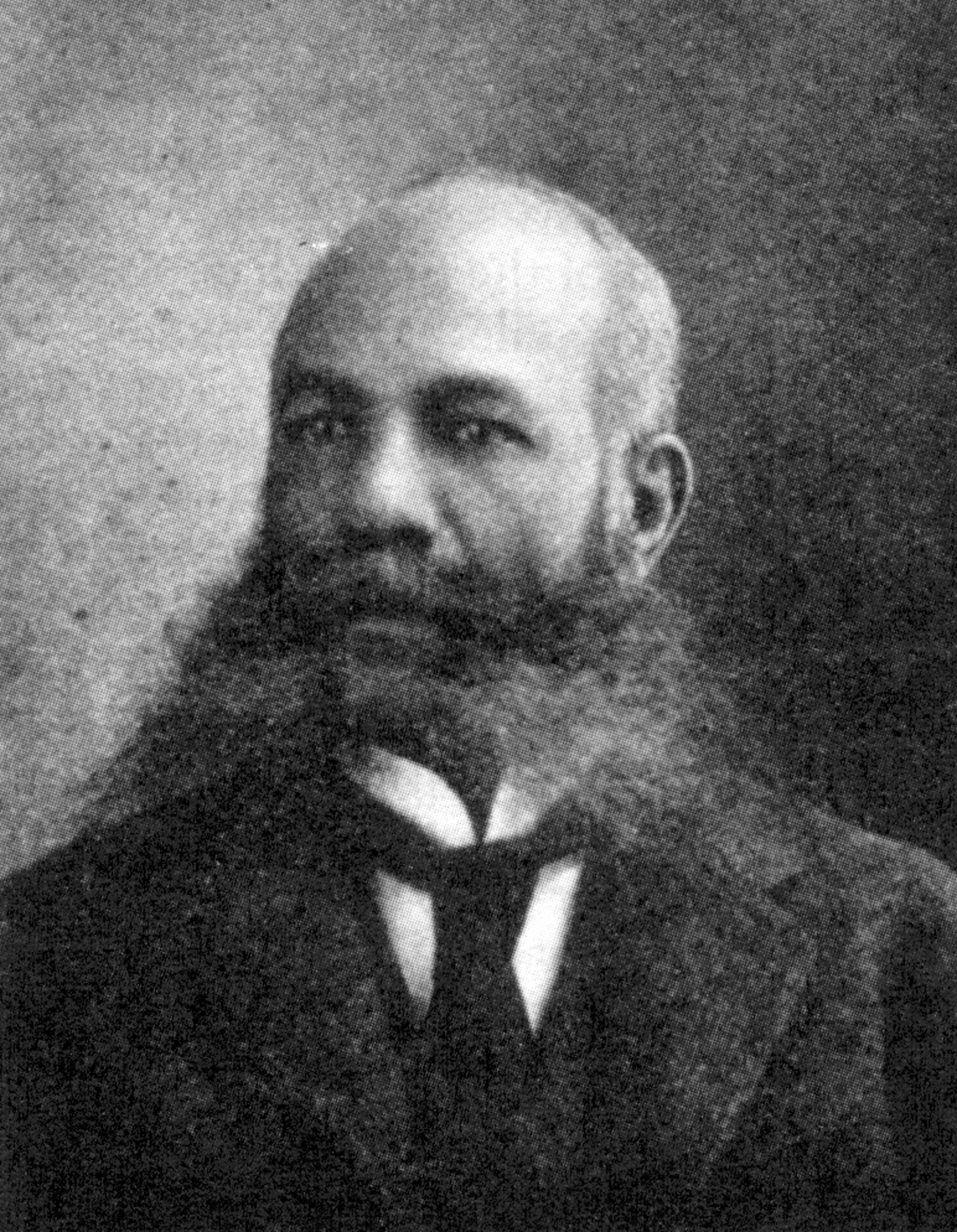
What Is the Automatic Elevator Doors?
Alexander Miles patented automatic opening and closing elevator doors, eliminating the dangerous manual shaft doors that caused injuries and deaths.
Every time you step into an elevator and the doors slide open and closed automatically, you are benefiting from a safety innovation that Alexander Miles patented on October 11, 1887. Before his invention, those doors had to be opened and closed by hand — and people were dying because of it. In the early days of elevators, buildings had two separate sets of doors: the door on the elevator car itself, and the door on each floor of the building shaft. Both had to be closed manually by either a human operator or the passengers themselves. The problem was that people — especially children and distracted adults — sometimes forgot to close the shaft door after getting on or off the elevator. When the elevator moved with the shaft door open, passengers could fall into the dark, empty elevator shaft. These accidents happened with frightening regularity. Alexander Miles was a successful Black businessman in Duluth, Minnesota, who rode elevators regularly in the 1880s. He noticed the danger firsthand and decided to engineer a solution. His 1887 patent described a mechanism that used a flexible belt attached to the elevator car to automatically open and close both sets of doors — the car door and the shaft door — in a precisely sequenced way. When the car arrived at a floor, the belt triggered the shaft door to open. When the car left, the belt triggered it to close automatically, before the car could move away. No human action required. Miles's invention was so elegant and effective that versions of his mechanism are still the conceptual foundation of modern elevator safety systems. Scientific American recognized him as one of the greatest African American inventors in history. He was a businessman, a problem-solver, and a person who made tall buildings truly safe to occupy.
Meet the Inventor: Alexander Miles
Alexander Miles was born around 1838. His exact birthplace is debated among historians — some records point to Waukesha County, Wisconsin; others suggest Ohio — but his early life is not fully documented. What is well-documented is his adult life in Duluth, Minnesota, where he became one of the most prominent Black businessmen in the state in the late 19th century. Miles ran a successful barbershop and real estate business in Duluth, accumulating enough wealth and standing to be part of the city's business community. His wife, Candace, also ran a successful hair salon. Together they were respected members of Duluth society. Miles's invention of the automatic elevator door mechanism came from his direct observation of a real safety hazard he encountered as an elevator user. He applied practical engineering thinking — not formal engineering training — to develop his solution. He received U.S. Patent #371,207 on October 11, 1887. After receiving his patent, Miles and his family moved to Chicago and later to Seattle, Washington, where he continued in business. He was celebrated in his lifetime as a successful entrepreneur and inventor. Scientific American later named him one of the greatest Black inventors in American history. In 2007, he was inducted into the National Inventors Hall of Fame. He died in Seattle on May 7, 1918.
How It Works
Before Miles's invention, elevator passengers had to manually open and close both the elevator car door and the heavy outer shaft door on each floor. Forgetting to close the shaft door meant an open hole in the building — and people and objects could fall in. Miles designed a mechanical linkage system using a flexible belt (or rope) attached to the elevator car. As the elevator moved up or down past each floor, the belt engaged a drum-and-lever mechanism connected to each shaft door. The mechanism was calibrated so that: 1. When the elevator car arrived at a floor, the belt triggered the shaft door to unlock and open. 2. As the car prepared to leave, the same mechanism triggered the shaft door to close and lock automatically. 3. The car could not move away until the shaft door was secured. This sequenced, automatic operation meant that the shaft door was only ever open when the elevator car was present at that floor — eliminating the deadly gap that had caused so many accidents.
Timeline
Watch and Learn
Did You Know?
People Really Did Fall Into Elevator Shafts
Before Miles's invention, open elevator shaft accidents happened with regularity in American cities. A distracted passenger, a forgotten door, and suddenly a person was falling into a dark shaft several stories deep. Miles's mechanism made this nearly impossible.
Miles Was a Self-Made Businessman
Miles built his wealth through a barbershop and real estate business in Duluth — not through formal engineering training. His elevator door invention came from observing a real problem in his daily life and thinking carefully about how to solve it.
His Patent Used a Flexible Belt
The core of Miles's mechanism was a flexible belt or rope attached to the elevator car. As the car moved, the belt engaged levers at each floor to open and close the shaft door automatically — a simple but brilliantly effective design.
His Invention Helped Make Skyscrapers Possible
Safer elevator technology gave architects and builders the confidence to design taller and taller buildings in the late 1880s and 1890s. Miles's automatic doors were one of several innovations that together made the skyscraper era possible.
Modern Elevator Safety Still Uses the Same Core Concept
Today's elevators use electronic interlocks and sensors rather than belts and levers, but the core concept Miles patented — automatically linking the shaft door's operation to the elevator car's position — is still the foundation of elevator safety worldwide.
STEM Connection
Alexander Miles's elevator door mechanism is a beautiful real-world example of several STEM principles students study in school. In physics, the mechanism uses mechanical advantage — levers and belts — to transfer motion from the moving elevator car to the stationary shaft doors. This is the same principle behind pulley systems, bicycle gears, and many machines. In engineering design, Miles's system is an early example of what engineers call an interlock or fail-safe: a mechanism designed so that a dangerous condition (open shaft door without elevator present) is physically prevented, not just prevented by human memory or caution. Fail-safes are essential in aviation, automotive engineering, nuclear power plants, and many other fields today. In systems thinking, Miles saw that two separate systems (car door and shaft door) needed to be coordinated. He designed a connection between them — the belt — that made them work together automatically. This kind of system integration is a fundamental skill in engineering design.
Related Inventions
Other Black inventions and innovations that changed the world.
Want to teach this invention? We've done the work for you.
Automatic Elevator Doors Complete Teaching Bundle
Lesson Plan
Comprehensive lesson plan covering the invention, the inventor, how it works, and its lasting impact on everyday life.
Student Workbook
Interactive workbook with reading passages, inventor biography, STEM activities, design challenges, and a quiz.
Flashcard Set
40 cards covering vocabulary, key facts, inventor details, how it works, and review challenges.
Instant digital download · Printable PDF · Grades 3–8 · STEM + History
Here's a peek inside...
📖 Lesson Plan
📝 Student Workbook
Read the passage about Alexander Miles and the Automatic Elevator Doors, then answer the questions below.
🃏 Flashcard Set - Click to Flip!
Click the card to flip it
Get a Free Sample
Try before you buy! Enter your email to receive a free sampler with flashcards, activities, and a lesson plan excerpt. No spam, just history.