Boston's Black Heritage Trail
A 1.6-mile walking trail through Beacon Hill featuring 15 historic sites that tell the story of Boston's 19th-century Black community, abolition movement, and Underground Railroad.
View Teaching Bundle →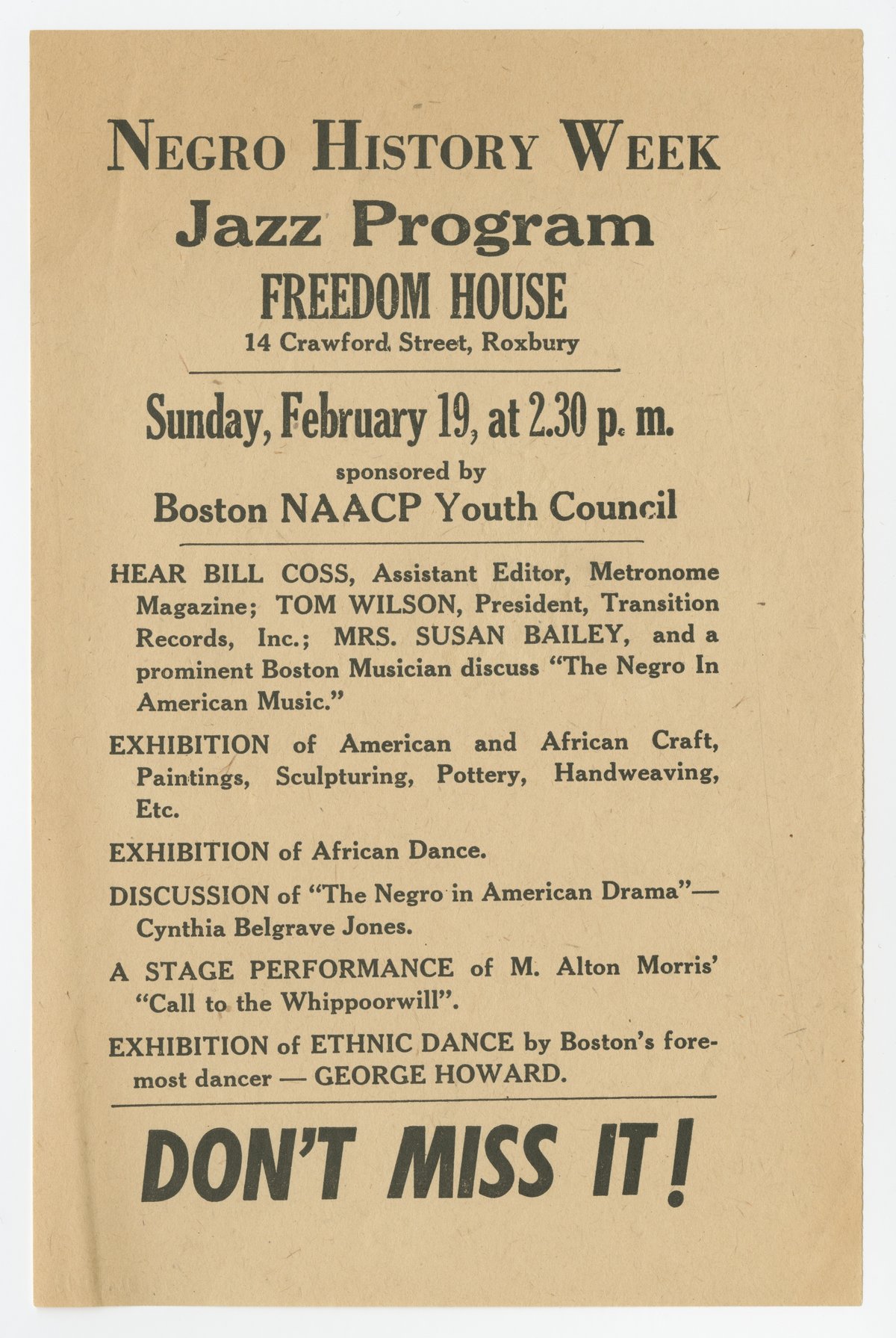
What Is Boston's Black Heritage Trail?
A 1.6-mile walking trail through Beacon Hill featuring 15 historic sites that tell the story of Boston's 19th-century Black community, abolition movement, and Underground Railroad.
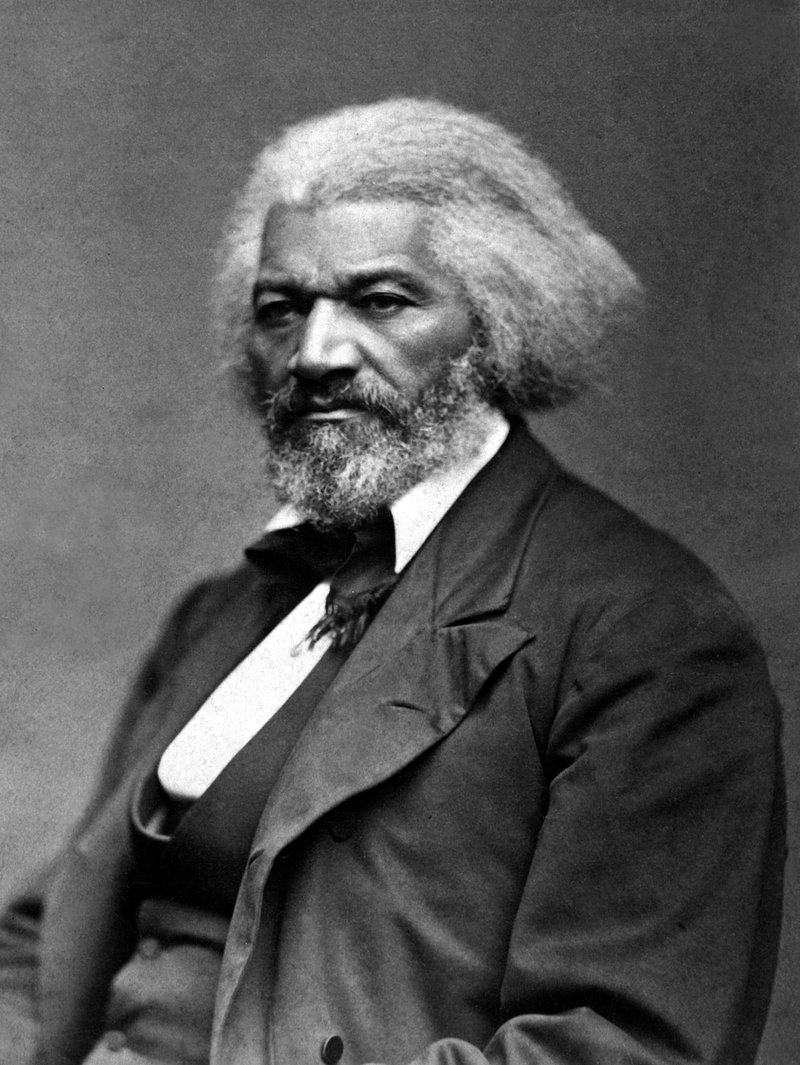
In the heart of Boston, Massachusetts, a 1.6-mile walking trail winds through the historic Beacon Hill neighborhood — threading past 14 sites that tell the story of one of America's most remarkable 19th-century Black communities. Boston's Black Heritage Trail is a journey through a neighborhood where free Black Americans built homes, schools, churches, and a powerful movement for freedom and equality — all while living in the shadow of slavery. The trail begins at the African Meeting House, built in 1806 entirely by Black craftsmen. It is the oldest surviving Black church building in the United States, and it served as so much more than a place of worship — it was a school, a meeting hall, and the center of Boston's Black community. Around the corner is the Abiel Smith School, built in 1835 as the first building in the United States specifically designed for the education of Black children. Boston's free Black community on Beacon Hill was extraordinary. In a city known as a center of abolitionism, Black residents like Lewis Hayden opened their homes as stops on the Underground Railroad. David Walker, a Black Bostonian, wrote 'Walker's Appeal' in 1829 — one of the most powerful anti-slavery texts in American history. Frederick Douglass spoke at the African Meeting House. William Lloyd Garrison launched the abolitionist newspaper 'The Liberator' nearby. The Museum of Afro American History operates several of the trail's key sites. The trail is free and open to all — a living neighborhood full of history waiting to be discovered.
Historical Significance
Boston's Black Heritage Trail preserves the story of a community that was central to the American abolitionist movement. The free Black residents of Beacon Hill did not wait for freedom to come to them — they organized, educated, agitated, and acted. Their neighborhood was a hub of resistance at a time when millions of Black Americans remained enslaved. The African Meeting House and the Abiel Smith School represent something remarkable: Black Bostonians building their own institutions when mainstream society denied them access. They built a church with their own hands. They built a school so their children could learn. These acts of self-determination were themselves acts of resistance. The connections to major abolitionists — Douglass, Walker, Garrison — remind us that the movement to end slavery was built in places like this: in meeting halls, in schools, in private homes where freedom seekers were sheltered. Boston's Black Heritage Trail makes that invisible history visible for anyone willing to walk 1.6 miles.
Key Events at This Place
Watch and Learn
Did You Know?
Black Craftsmen Built It
The African Meeting House (1806) was built almost entirely by Black craftsmen — skilled tradespeople from Boston's free Black community. The building they raised still stands over 200 years later.
Walker's Appeal Was Smuggled South
David Walker's 1829 'Appeal' was so threatening to slaveholders that it was banned in several Southern states. Walker — a Boston clothing dealer — sewed copies into the linings of sailors' jackets so they could carry it south.
Black Subscribers Kept The Liberator Alive
When William Lloyd Garrison launched 'The Liberator' in 1831, Boston's Black community made up about three-quarters of its early subscribers. They financially sustained one of the most important abolitionist publications in American history.
A Neighborhood Hiding in Plain Sight
Lewis Hayden's home sheltered freedom seekers at serious personal risk. He reportedly told visitors he kept kegs of gunpowder in the basement — and would blow up the house before allowing anyone to be recaptured.
The First Black School Building
The Abiel Smith School (1835) was the first building in the United States built specifically to educate Black children. Today it houses the Museum of Afro American History, preserving the story of this remarkable community.
Key Figures Connected to This Place
The people whose stories are tied to this historic location.
Related Places
Other important places in Black history.
Want to teach this place? We've done the work for you.
Boston's Black Heritage Trail Complete Teaching Bundle
Lesson Plan
Comprehensive lesson plan covering the location's history, significance, key events, and lasting impact.
Student Workbook
Interactive workbook with reading passages, geography activities, then-and-now comparisons, and a quiz.
Flashcard Set
40 cards covering vocabulary, key facts, geography, historical context, and review challenges.
Instant digital download · Printable PDF · Grades 4–8 · Verified accurate
Here's a peek inside...
📖 Lesson Plan
📝 Student Workbook
Read the passage about Boston's Black Heritage Trail and answer the questions below.
🃏 Flashcard Set - Click to Flip!
Click the card to flip it
Get a Free Sample
Try before you buy! Enter your email to receive a free sampler with flashcards, activities, and a lesson plan excerpt. No spam, just history.