Mother Emanuel AME Church
One of the oldest Black churches in the South, founded in 1816 and rebuilt after being burned. In 2015, a white supremacist killed nine worshippers, sparking renewed calls for racial justice.
View Teaching Bundle →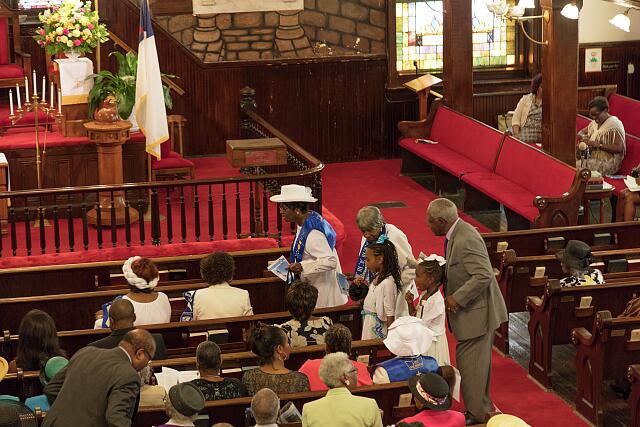
What Is Mother Emanuel AME Church?
One of the oldest Black churches in the South, founded in 1816 and rebuilt after being burned. In 2015, a white supremacist killed nine worshippers, sparking renewed calls for racial justice.
Emanuel African Methodist Episcopal Church in Charleston, South Carolina has stood at the heart of the Black community for more than 200 years. Founded in 1816, it is the oldest AME church in the South — and one of the oldest Black churches in the entire United States. Its members have always called it 'Mother Emanuel,' a name that honors its role as a spiritual home, a gathering place, and a sanctuary. The church was founded by Morris Brown and other members of Charleston's free Black community — at a time when Black people gathering together was considered dangerous and often illegal. Denmark Vesey, a formerly enslaved man who had purchased his freedom, became one of the church's most prominent leaders. In 1822, Vesey organized a major planned resistance against slavery. When authorities discovered the plan, the church was destroyed and Black religious gatherings were banned. But the congregation refused to give up. They continued meeting in secret, and after the Civil War, they rebuilt their church and worshipped openly once again. For two centuries, Mother Emanuel survived threats, destruction, and darkness — and always came back stronger. It has been a place where leaders were formed, voices were raised in song and prayer, and community was held together through the hardest of times. On June 17, 2015, a white supremacist came to a Bible study at Mother Emanuel and committed an act of terrible violence, taking the lives of nine beloved members of the congregation. The nation mourned. But in the days that followed, something powerful happened: the church community responded with grace, resilience, and a determination to hold tight to hope. Mother Emanuel reopened. Services continued. The congregation kept going — because that is what Mother Emanuel has always done.
Historical Significance
Mother Emanuel AME Church stands as one of the most significant Black religious and cultural institutions in American history. For over 200 years, it has been a center of African American faith, community, and resistance in the Deep South. Founded during the era of slavery — when Black people gathering in groups was considered dangerous and often illegal — the church was an act of spiritual defiance from its very first days. Its destruction in 1822 and its rebuilding after the Civil War reflect the broader story of Black resilience that defines American history. After the tragedy of June 17, 2015 — when nine members were murdered during Bible study — the church and its community demonstrated something remarkable. In the face of devastating loss, they chose to return, to worship, and to stand firm. Congress responded by removing the Confederate flag from the South Carolina State House. The world responded by recognizing Mother Emanuel as a symbol of endurance and grace. The church continues its ministry today — still standing, still welcoming all who come through its doors.
Key Events at This Place
Watch and Learn
Did You Know?
Older Than the Confederate Flag
Mother Emanuel AME Church was founded in 1816 — nearly 50 years before the Civil War. The church has existed through slavery, Reconstruction, Jim Crow, the civil rights movement, and beyond.
Secret Worship
After the church was destroyed in 1822, members continued to meet in secret for decades. Keeping faith alive under those conditions required extraordinary courage from every person who attended.
A Name That Means Everything
The nickname 'Mother Emanuel' was given by the congregation to honor the church's role as the 'mother' of AME churches in the South — a source of spiritual life and community for generations.
The Nine
The nine people murdered on June 17, 2015 were: Cynthia Hurd, Susie Jackson, Ethel Lance, DePayne Middleton-Doctor, the Rev. Clementa Pinckney, Tywanza Sanders, the Rev. Daniel Simmons Sr., the Rev. Sharonda Coleman-Singleton, and Myra Thompson.
A Response That Moved the World
In the days after the tragedy, family members of the nine victims spoke publicly about forgiveness and faith. Their response — choosing grace in the face of devastating loss — moved people around the world.
Related Places
Other important places in Black history.
Want to teach this place? We've done the work for you.
Mother Emanuel AME Church Complete Teaching Bundle
Lesson Plan
Comprehensive lesson plan covering the location's history, significance, key events, and lasting impact.
Student Workbook
Interactive workbook with reading passages, geography activities, then-and-now comparisons, and a quiz.
Flashcard Set
40 cards covering vocabulary, key facts, geography, historical context, and review challenges.
Instant digital download · Printable PDF · Grades 4–8 · Verified accurate
Here's a peek inside...
📖 Lesson Plan
📝 Student Workbook
Read the passage about Mother Emanuel AME Church and answer the questions below.
🃏 Flashcard Set - Click to Flip!
Click the card to flip it
Get a Free Sample
Try before you buy! Enter your email to receive a free sampler with flashcards, activities, and a lesson plan excerpt. No spam, just history.