The Harlem Renaissance
An extraordinary flowering of Black art, literature, music, and intellectual thought centered in Harlem, New York, that redefined Black identity and American culture.
View Teaching Bundle →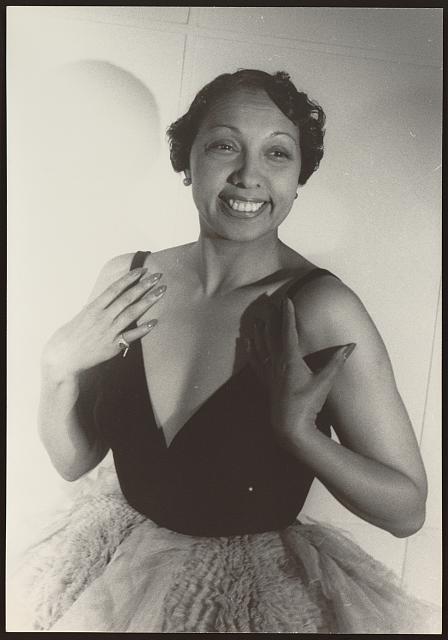
What Was the The Harlem Renaissance?
An extraordinary flowering of Black art, literature, music, and intellectual thought centered in Harlem, New York, that redefined Black identity and American culture.
In the 1920s, something amazing happened in a neighborhood called Harlem in New York City. Black writers, artists, musicians, and thinkers came together and created one of the greatest explosions of creativity in American history. This period is called the Harlem Renaissance. It lasted roughly from 1918 to 1937, and it changed everything — what Americans read, listened to, and believed about Black culture. During the Great Migration, hundreds of thousands of Black families moved from the South to Northern cities. Harlem became the center of Black life in America, packed with talented people who were ready to show the world what they could do. Poets like Langston Hughes wrote about Black joy and struggle. Musicians like Duke Ellington played jazz that made people dance. Artists like Aaron Douglas painted murals celebrating African heritage. Together, they created a 'New Negro' identity — proud, creative, and unafraid. The Harlem Renaissance proved that Black Americans could produce world-class art and literature, and it laid the groundwork for the fight for equal rights that would come next.
Key Events
Did You Know?
Rent Parties Fueled the Music
When Harlem families couldn't afford rent, they threw parties and charged a small admission fee. These 'rent parties' featured live jazz and blues, and they became some of the most creative musical events of the era.
A Teenager Wrote a Masterpiece
Langston Hughes was still a teenager when he wrote 'The Negro Speaks of Rivers' while crossing the Mississippi River on a train. It became one of the most famous poems in American history.
The Cotton Club Had a Shameful Rule
The famous Cotton Club in Harlem featured Black musicians and performers — but for most of its existence, only white people were allowed in the audience. The club's complicated history shows the tensions of the era.
A Book Was Lost and Found
Zora Neale Hurston's novel 'Their Eyes Were Watching God' got mixed reviews when it came out in 1937 and was nearly forgotten. In 1975, writer Alice Walker helped rediscover Hurston's work, and today the book is considered a masterpiece.
The Movement Spread Far Beyond Harlem
While Harlem was the heart of the movement, Black artists and writers were also thriving in Washington D.C., Chicago, and even Paris, where performer Josephine Baker became one of the biggest stars in Europe.
Historical Images
Primary sources from the The Harlem Renaissance era
[Portrait of Josephine Baker, Paris]
Source: Library of Congress No known restrictions (LOC)
![[Portrait of James Weldon Johnson]](/images/eras/harlem-renaissance/harlem-renaissance-02.jpg)
[Portrait of James Weldon Johnson]
Source: Library of Congress No known restrictions (LOC)
![[Portrait of Josephine Baker]](/images/eras/harlem-renaissance/harlem-renaissance-03.jpg)
[Portrait of Josephine Baker]
Source: Library of Congress No known restrictions (LOC)
![[Portrait of Josephine Baker]](/images/eras/harlem-renaissance/harlem-renaissance-04.jpg)
[Portrait of Josephine Baker]
Source: Library of Congress No known restrictions (LOC)
![[Portrait of Clayton Corbin]](/images/eras/harlem-renaissance/harlem-renaissance-05.jpg)
[Portrait of Clayton Corbin]
Source: Library of Congress No known restrictions (LOC)
Key Figures of The Harlem Renaissance
The people who shaped this era.
Want to teach this era? We've done the work for you.
The Harlem Renaissance Complete Teaching Bundle
Lesson Plan
Comprehensive lesson plan covering the full era with learning objectives, activities, and assessment.
Student Workbook
Interactive workbook with reading passages, timeline activities, primary source analysis, and a quiz.
Flashcard Set
40 cards covering vocabulary, key facts, events, important people, and review challenges.
Instant digital download · Printable PDF · Grades 4–8 · Verified accurate
Here's a peek inside...
📖 Lesson Plan
📝 Student Workbook
Read the passage about The Harlem Renaissance and answer the questions below.
🃏 Flashcard Set - Click to Flip!
Click the card to flip it
Get a Free Sample
Try before you buy! Enter your email to receive a free sampler with flashcards, activities, and a lesson plan excerpt. No spam, just history.
Go Deeper: Individual Figure Bundles
Each figure from this era has their own complete teaching bundle.
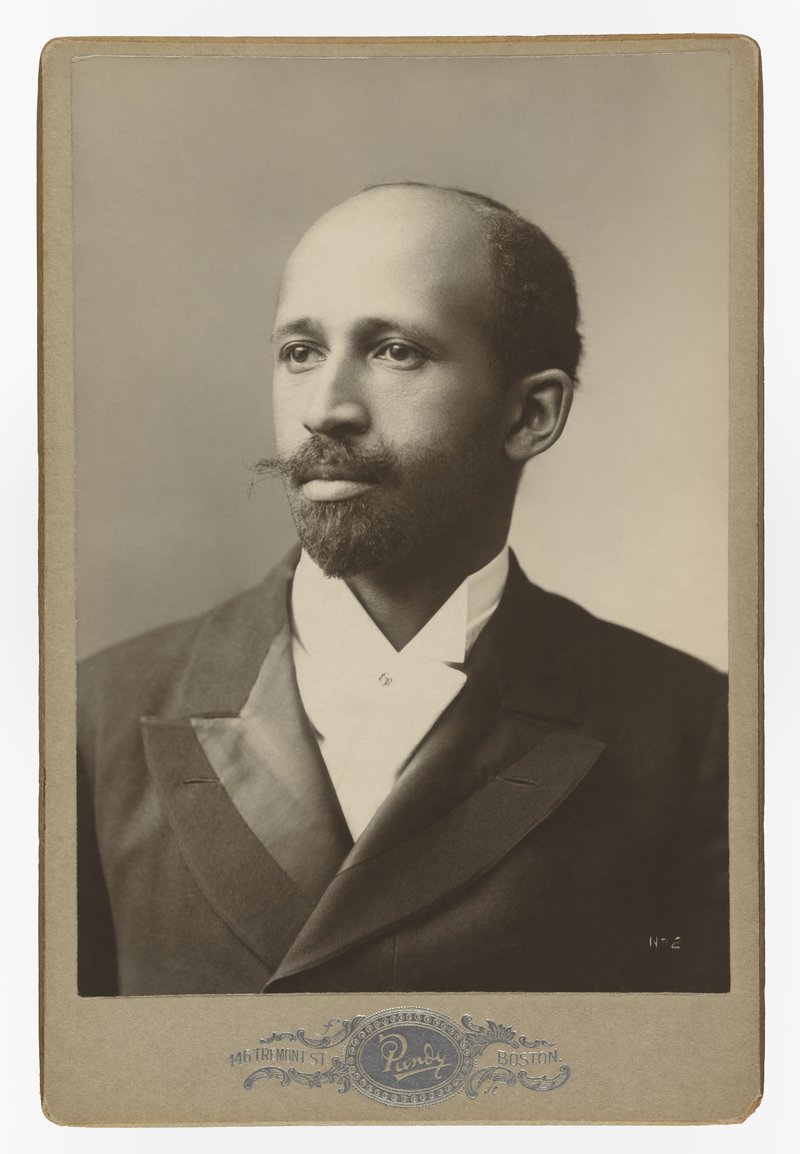
W.E.B. Du Bois
Complete teaching bundle: lesson plan, workbook, and 40-card flashcard set.
View Bundle →