Harlem Renaissance Begins
A cultural explosion of Black art, music, literature, and intellectual life centered in Harlem, New York, that redefined African American identity and culture.
View Teaching Bundle →
What Was the Harlem Renaissance Begins?
A cultural explosion of Black art, music, literature, and intellectual life centered in Harlem, New York, that redefined African American identity and culture.
In the 1920s, something extraordinary happened in a neighborhood called Harlem in New York City. Black artists, writers, musicians, and thinkers created a cultural explosion that would change America forever. This movement is known as the Harlem Renaissance, and it was one of the most creative and inspiring periods in American history. The Harlem Renaissance was made possible by the Great Migration, when about six million Black Americans moved from the rural South to cities in the North between 1910 and 1970, seeking better opportunities and freedom from Jim Crow laws. As thousands of Black families settled in Harlem, the neighborhood became a vibrant center of Black culture and community. Brilliant writers like Langston Hughes and Zora Neale Hurston gave voice to the Black experience through poetry and stories. Musicians like Duke Ellington and Louis Armstrong transformed American music with jazz and blues. Artists like Aaron Douglas created stunning works that celebrated Black identity and African heritage. Poets like Claude McKay and Countee Cullen wrote powerful verses that inspired a generation. In 1925, philosopher Alain Locke published a landmark book called The New Negro, which declared that a new era of Black pride, creativity, and self-expression had begun. Magazines like The Crisis and Opportunity published the work of Black writers who might have been ignored by mainstream publishers. The Harlem Renaissance proved to the world that Black culture was not just surviving — it was thriving, leading, and transforming all of American art and thought.
Timeline
Watch and Learn
Did You Know?
The Great Migration Fueled the Renaissance
About six million Black Americans moved from the South to Northern cities between 1910 and 1970. This massive movement brought together talent and culture that made the Harlem Renaissance possible.
The Cotton Club Was Ironically Segregated
The Cotton Club in Harlem was one of the most famous jazz clubs in the world, where Duke Ellington performed. But ironically, while Black musicians performed on stage, the audience was mostly restricted to white patrons only.
Langston Hughes Was Discovered in a Restaurant
Langston Hughes was working as a busboy at a hotel restaurant in Washington, D.C., when he left some of his poems next to the plate of poet Vachel Lindsay, who helped bring Hughes's work to national attention.
The Renaissance Was More Than Just Literature
While the Harlem Renaissance is often remembered for its writers, it also included breakthroughs in music, visual art, theater, dance, and philosophy. It was a complete cultural revolution.
Alain Locke Was the First Black Rhodes Scholar
Alain Locke, who edited The New Negro and helped define the Harlem Renaissance, was the first Black American to receive a Rhodes Scholarship to study at Oxford University in England, in 1907.
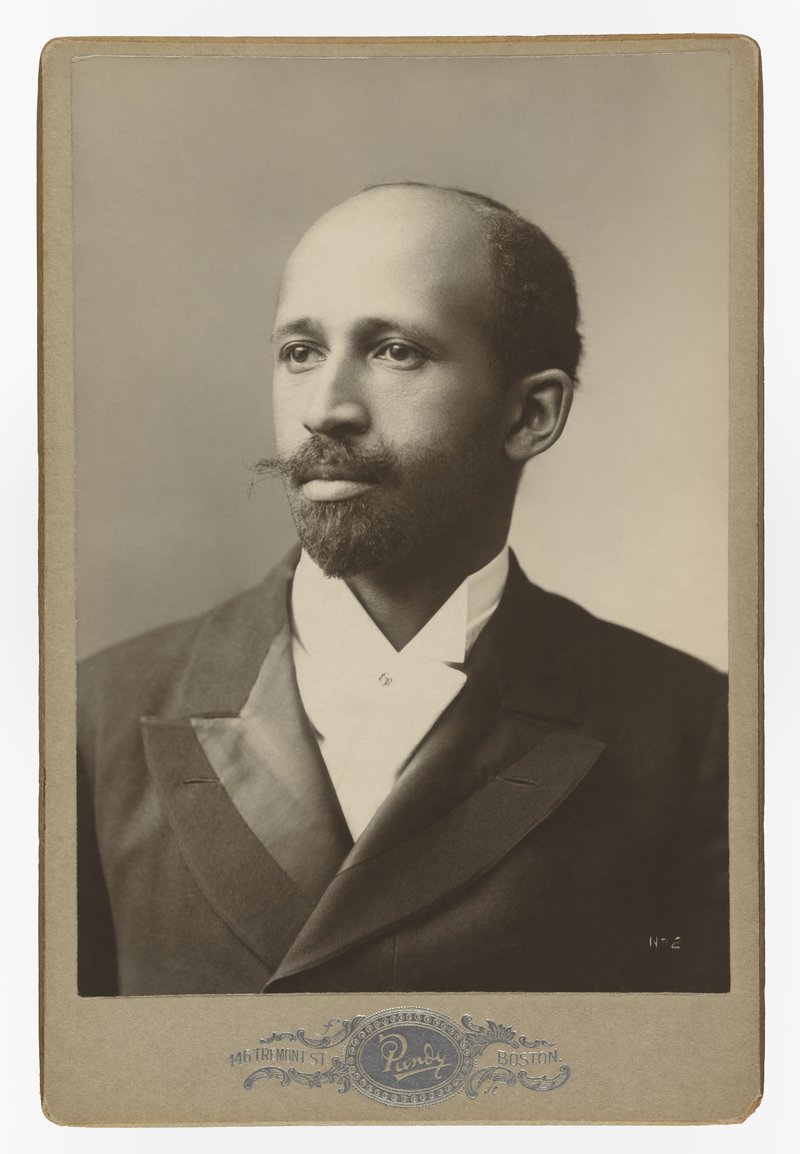
Key Figures Involved
The people who played a role in this event.
Want to teach this event? We've done the work for you.
Harlem Renaissance Begins Complete Teaching Bundle
Lesson Plan
Comprehensive lesson plan covering the full event with learning objectives, activities, and assessment.
Student Workbook
Interactive workbook with reading passages, timeline activities, primary source analysis, and a quiz.
Flashcard Set
40 cards covering vocabulary, key facts, people, causes, effects, and review challenges.
Instant digital download · Printable PDF · Grades 4–8 · Verified accurate
Here's a peek inside...
📖 Lesson Plan
📝 Student Workbook
Read the passage about Harlem Renaissance Begins and answer the questions below.
🃏 Flashcard Set - Click to Flip!
Click the card to flip it
Get a Free Sample
Try before you buy! Enter your email to receive a free sampler with flashcards, activities, and a lesson plan excerpt. No spam, just history.