Universal Negro Improvement Association
Founded by Marcus Garvey, the UNIA became the largest mass movement in African American history, promoting Black pride, economic self-sufficiency, and pan-African unity.
View Teaching Bundle →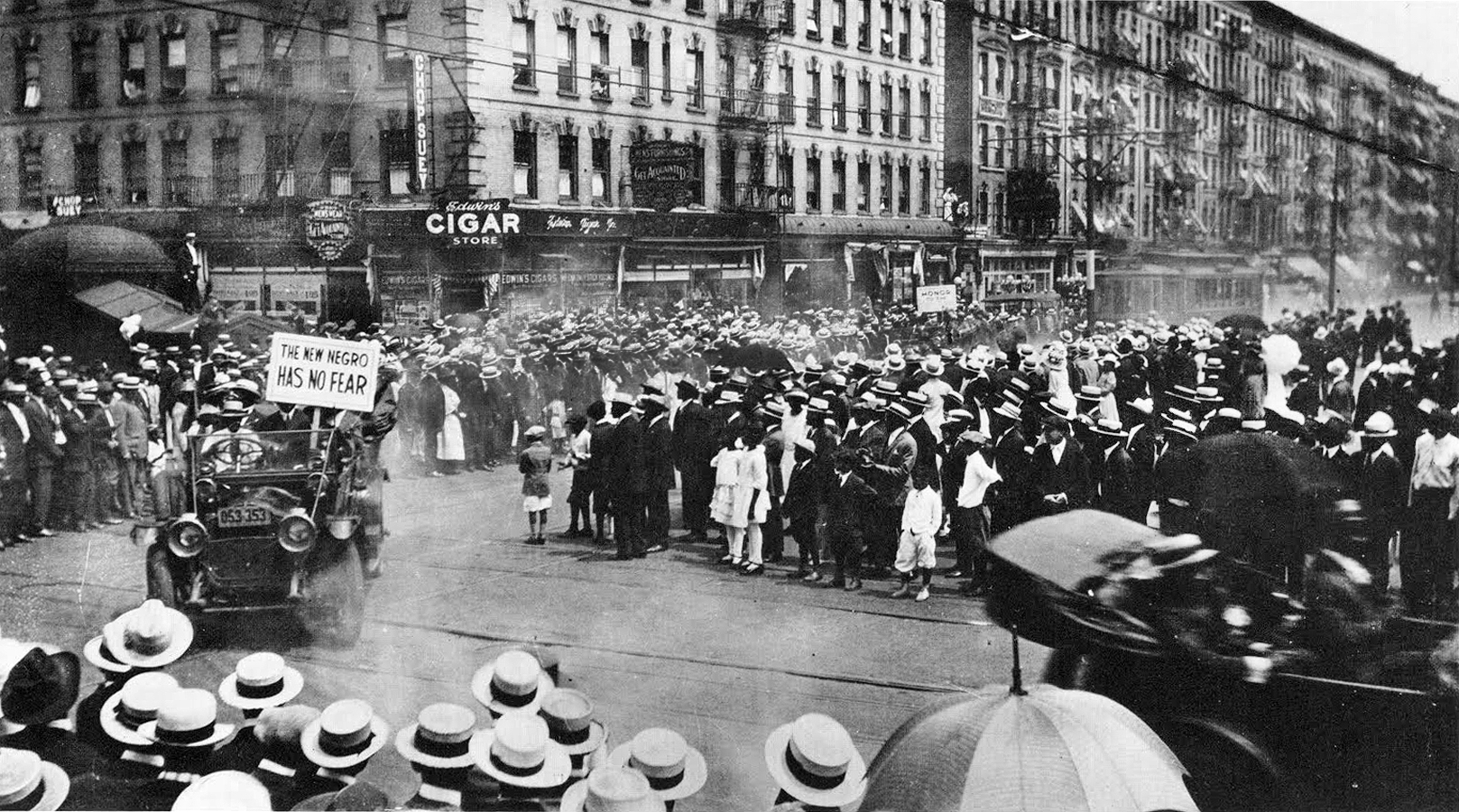
What Was the Universal Negro Improvement Association?
Founded by Marcus Garvey, the UNIA became the largest mass movement in African American history, promoting Black pride, economic self-sufficiency, and pan-African unity.
The Universal Negro Improvement Association and African Communities League, known as the UNIA, was founded by Marcus Garvey in Jamaica in 1914 and became the largest Black mass organization in American history. At its peak in the early 1920s, the UNIA claimed between two and six million members worldwide, with chapters spanning the United States, the Caribbean, Central America, and Africa. Garvey moved to New York City in 1917 and established the movement’s headquarters in Harlem, transforming it into the beating heart of a global movement for Black pride and self-determination. The UNIA operated under the bold motto “One God! One Aim! One Destiny!” calling on people of African descent everywhere to unite, build their own institutions, and take pride in their heritage. The organization published The Negro World newspaper, which reached readers across several continents and gave voice to pan-African ideas at a time when mainstream publications ignored or demeaned Black life. Garvey preached that Black people should build their own businesses, schools, and nations rather than wait for others to grant them equality. The UNIA founded the Black Star Line, a shipping company owned and operated by Black investors, to facilitate trade and emigration to Africa. Though the business ultimately failed by 1922, the vision behind it inspired generations. Garvey was convicted of mail fraud in 1923 in connection with the promotion of Black Star Line stock and began serving his sentence in 1925; he was deported to Jamaica in 1927, but his ideas lived on. The UNIA’s philosophy of Black self-reliance, pan-African unity, and cultural pride laid the groundwork for later movements, including the Nation of Islam and the Black Power movement of the 1960s and 1970s.
Founding Story
Marcus Garvey founded the Universal Negro Improvement Association on August 1, 1914, in Kingston, Jamaica. The date was chosen deliberately — August 1 was Emancipation Day in Jamaica, marking the end of British colonial slavery. Garvey had spent years traveling through Central America and Europe, witnessing the widespread poverty and discrimination faced by Black workers everywhere he went. He returned home convinced that Black people would never achieve true equality by asking others to accept them, but only by building power and institutions of their own. Inspired partly by Booker T. Washington’s emphasis on self-help and economic development, Garvey launched the UNIA with a vision far bolder than anything Washington had imagined: a unified global African nation. Garvey moved to New York City in 1917 and was electrified by the large, ambitious Black community he found in Harlem. By 1919 the UNIA was selling shares in the Black Star Line to Black investors across the country, and Garvey was filling venues with thousands of followers at annual conventions. The UNIA convention of 1920 drew 25,000 people to Harlem, one of the largest gatherings of Black people in American history up to that point.
Watch and Learn
Key Events
Landmark events connected to this organization.
Related Organizations
Other organizations and movements connected to this story.
Want to teach this organization? We've done the work for you.
Universal Negro Improvement Association Complete Teaching Bundle
Lesson Plan
Comprehensive lesson plan covering the organization's founding, mission, key leaders, and lasting impact.
Student Workbook
Interactive workbook with reading passages, timeline activities, leadership analysis, and a quiz.
Flashcard Set
40 cards covering vocabulary, key facts, leaders, achievements, and review challenges.
Instant digital download · Printable PDF · Grades 4–8 · Verified accurate
Here's a peek inside...
📖 Lesson Plan
📝 Student Workbook
Read the passage about the Universal Negro Improvement Association and answer the questions below.
Get a Free Sample
Try before you buy! Enter your email to receive a free sampler with flashcards, activities, and a lesson plan excerpt. No spam, just history.