"I Have a Dream" Speech
By Martin Luther King Jr.
Martin Luther King Jr.'s iconic speech delivered to over 250,000 people at the March on Washington, calling for racial equality and an end to discrimination in one of history's greatest orations.
View Teaching Bundle →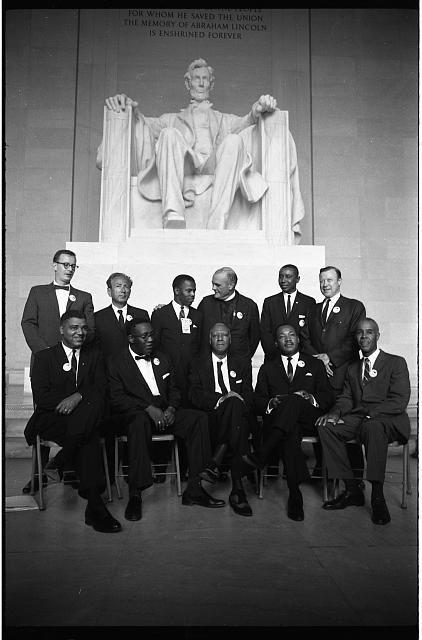
What Is the "I Have a Dream" Speech?
Martin Luther King Jr.'s iconic speech delivered to over 250,000 people at the March on Washington, calling for racial equality and an end to discrimination in one of history's greatest orations.
On August 28, 1963, Martin Luther King Jr. stood at the Lincoln Memorial in Washington, D.C., and delivered one of the greatest speeches in American history. More than 250,000 people had gathered for the March on Washington for Jobs and Freedom — one of the largest demonstrations in U.S. history. Television broadcast the speech to millions more across the country. The speech lasted 17 minutes. For much of it, King followed a prepared text — calling out America's failure to live up to its founding promises, demanding jobs and freedom, and calling on the nation to act. Then something remarkable happened. Singer Mahalia Jackson, standing nearby, reportedly called out: 'Tell them about the dream, Martin!' King pushed aside his prepared text and spoke from the heart, delivering the soaring 'I Have a Dream' passage that the world now knows. The phrases King used that day — 'I have a dream,' 'Let freedom ring,' 'We will not be satisfied,' and 'Free at last!' — became anthems of the civil rights movement and of American democracy itself. King's vision was specific: a nation where people are judged not by the color of their skin but by the content of their character. A nation where freedom rings from every mountain. A nation where the children of former enslaved people and the children of former enslavers could sit together at the table of brotherhood. The speech is widely considered one of the greatest in American history. It helped build momentum for the Civil Rights Act of 1964 and the Voting Rights Act of 1965. For students today, it is an invitation to understand not just what King dreamed, but why those dreams were so urgently needed.
Historical Context
August 1963 was a pivotal and painful moment in American history. Earlier that year, civil rights activists in Birmingham, Alabama, had been attacked with fire hoses and police dogs on national television — shocking the country. The Ku Klux Klan had bombed the 16th Street Baptist Church, killing four young girls, just 18 days after the March on Washington. President Kennedy had proposed a Civil Rights Bill, but it faced fierce opposition in Congress. The March on Washington was organized to demand both civil rights and economic justice — jobs and freedom together. It was a coalition of labor unions, civil rights organizations, and faith communities. Speakers included John Lewis (then 23 years old) and leaders of major civil rights organizations. King spoke last. He was already the most recognized civil rights leader in America. The Lincoln Memorial — where Abraham Lincoln's Emancipation Proclamation had been announced 100 years earlier — was a deliberate choice. King's speech directly invoked Lincoln's legacy and challenged America to finally keep its promise.
Key Excerpts
Important passages from this primary source, presented in kid-friendly language.
"I have a dream that my four little children will one day live in a nation where they will not be judged by the color of their skin but by the content of their character."
What this means: This is the heart of King's dream. He wanted his own children — and all children — to be seen as individuals, not as representatives of their race. Character, not color, should determine how a person is valued.
"I have a dream that one day on the red hills of Georgia, the sons of former slaves and the sons of former slave owners will be able to sit down together at the table of brotherhood."
What this means: King dreamed of reconciliation — not just peace between races, but actual togetherness. In Georgia, where slavery had been brutal and segregation was enforced violently, this vision was radical and beautiful.
"We will not be satisfied until justice rolls down like waters and righteousness like a mighty stream."
What this means: King borrowed this phrase from the prophet Amos in the Bible. He was saying the movement would not stop, compromise, or accept half-measures. Justice must flow like a river — unstoppable, reaching everywhere.
"Free at last! Free at last! Thank God Almighty, we are free at last!"
What this means: King closed with words from an old African American spiritual. By ending with these words, he connected the civil rights movement to the long spiritual and historical struggle for freedom — a struggle that went back to slavery itself.
Vocabulary Spotlight
Key words and phrases from this primary source.
March on Washington
The massive demonstration on August 28, 1963, where more than 250,000 people gathered in Washington, D.C., to demand civil rights and economic justice.
The Lincoln Memorial
A monument in Washington, D.C., honoring President Abraham Lincoln. Choosing this location for the speech was symbolic — Lincoln had signed the Emancipation Proclamation 100 years earlier.
Brotherhood
A state of friendship and equality among people — being treated like family regardless of differences.
Justice
Fair treatment for all people under the law. King used the word to mean both legal equality and moral rightness.
Promissory note
A legal document that promises payment of money at a future date. King used this term as a metaphor — America had written a promissory note to all its citizens in the Declaration of Independence.
Character
A person's moral qualities — their values, choices, and actions — as opposed to how they look or where they come from.
Emancipation
The act of being freed from slavery or oppression. Lincoln's Emancipation Proclamation declared enslaved people in Confederate states free in 1863.
Righteous
Morally right and just. When something is righteous, it aligns with what is fair and good.
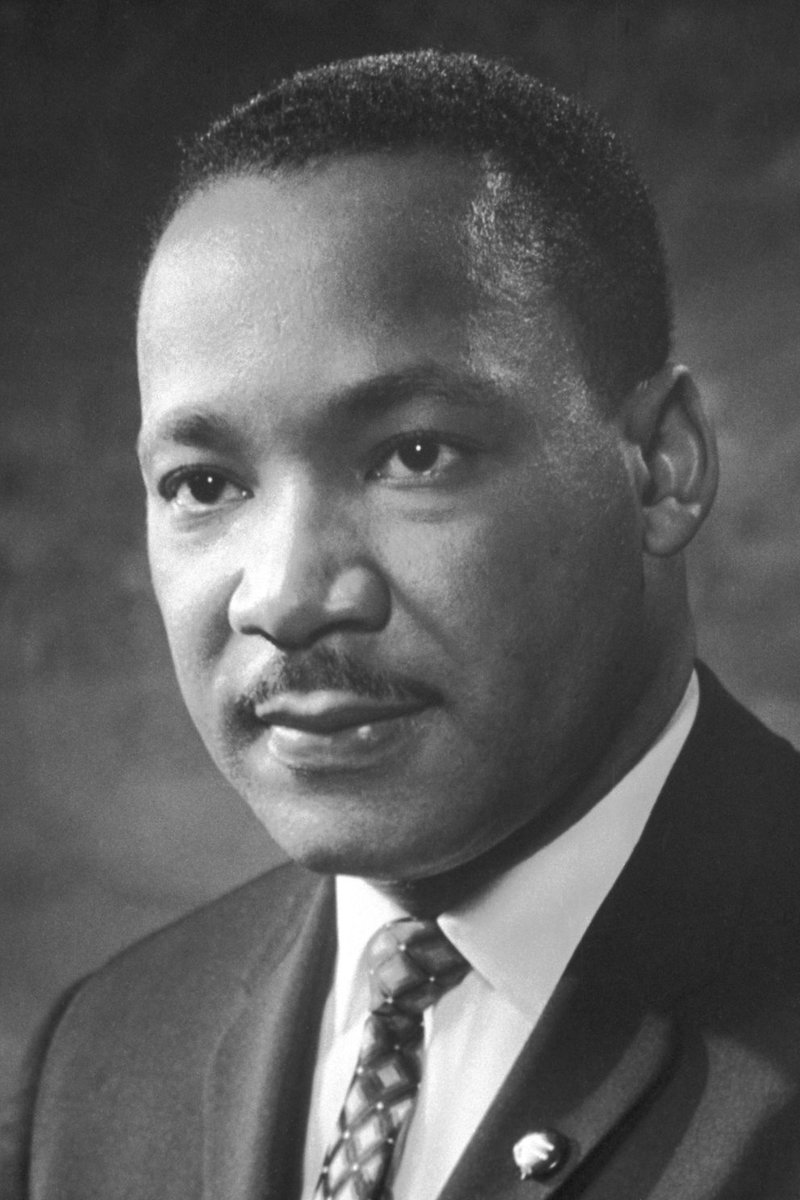
About the Author
Learn more about the person who created this primary source.
Impact & Legacy
Watch and Learn
Did You Know?
Mahalia Jackson's Call
Gospel singer Mahalia Jackson, standing near the podium, reportedly called out 'Tell them about the dream, Martin!' during the speech. King then set aside his prepared text and delivered the famous 'Dream' passage spontaneously.
250,000 People
More than 250,000 people gathered at the National Mall in Washington, D.C., on August 28, 1963 — one of the largest demonstrations in American history at the time.
Seventeen Minutes
The entire speech lasted only 17 minutes. In that time, King delivered one of the most quoted and celebrated speeches in world history.
Inspired by Amos
King's line 'justice rolls down like waters and righteousness like a mighty stream' comes directly from the Book of Amos in the Bible — connecting the civil rights movement to ancient traditions of justice.
'Free at Last' Is a Spiritual
King ended the speech with words from an old African American spiritual: 'Free at last! Free at last! Thank God Almighty, we are free at last!' He connected the movement to generations of struggle before him.
A Century After Lincoln
King opened the speech by noting it had been '100 years' since Lincoln signed the Emancipation Proclamation — yet Black Americans still did not have full freedom. The Lincoln Memorial was chosen deliberately.
Related Events
Landmark events connected to this primary source.
August 28, 1963
March on Washington
Over 250,000 people gathered at the Lincoln Memorial, where Martin Luther King Jr. delivered his iconic 'I Have a Dream' speech, demanding civil rights and economic justice.
July 2, 1964
Civil Rights Act Signed
President Lyndon B. Johnson signed the Civil Rights Act of 1964 into law, outlawing discrimination based on race, color, religion, sex, or national origin.
Related Primary Sources
Other important documents and speeches in Black history.
Want to teach this primary source? We've done the work for you.
"I Have a Dream" Speech Complete Teaching Bundle
Lesson Plan
Comprehensive lesson plan covering the document's background, key passages, author's purpose, and historical impact.
Student Workbook
Interactive workbook with source analysis exercises, reading comprehension, vocabulary in context, and compare & contrast activities.
Flashcard Set
40 cards covering vocabulary, key excerpts, historical context, author's purpose, and review challenges.
Instant digital download · Printable PDF · Grades 4–8 · Verified accurate
Here's a peek inside...
📖 Lesson Plan
📝 Student Workbook
Read the excerpt from "I Have a Dream" Speech and answer the questions below.
🃏 Flashcard Set - Click to Flip!
Click the card to flip it
Get a Free Sample
Try before you buy! Enter your email to receive a free sampler with flashcards, activities, and a lesson plan excerpt. No spam, just history.